Crypto Accumulation Surge: Phoenix Group’s Pivotal 2026 Report Highlights Orca, Kaia, and Sandbox
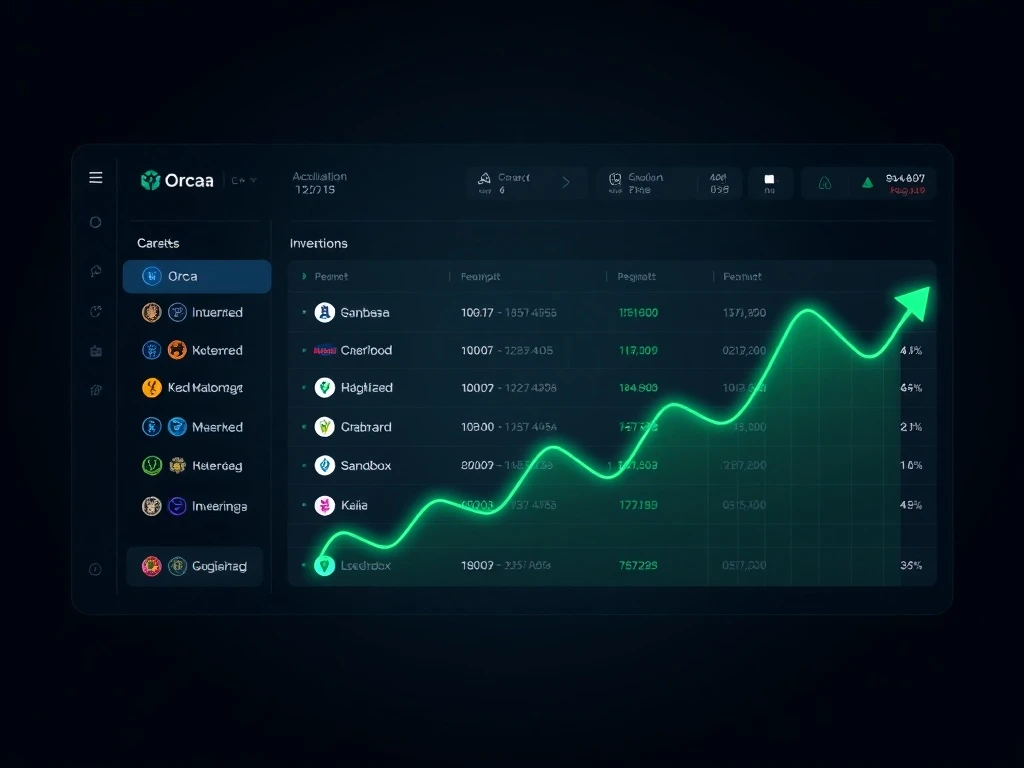
On February 23, 2026, the cryptocurrency investment landscape received a significant data point as Phoenix Group, a leading institutional digital asset research firm, published its latest market snapshot. This comprehensive report, compiled from on-chain analytics, exchange flow data, and institutional positioning metrics, identifies the specific digital assets currently entering what analysts term the ‘accumulation phase.’ Notably, the findings highlight ten cryptocurrencies, including decentralized exchange token Orca, layer-1 blockchain Kaia, and metaverse platform The Sandbox, as primary targets for sustained buying pressure. This data provides a crucial, evidence-based window into where sophisticated capital is flowing at the start of 2026.
Understanding the Crypto Accumulation Phase
Market cycles in cryptocurrency typically follow a pattern of accumulation, markup, distribution, and decline. The accumulation phase represents a period where informed investors, often institutions and large holders, steadily acquire an asset over time, usually after a price decline or during a period of consolidation. Phoenix Group’s methodology for identifying this phase relies on several verifiable metrics. These include a sustained decrease in exchange reserves, indicating coins are moving to long-term storage. Furthermore, the firm analyzes the behavior of wallets holding large balances, tracking an increase in their holdings despite low market volatility. This phase often precedes a significant price markup, making its identification critical for market analysis.
The Phoenix Group Methodology
Phoenix Group establishes its findings through a multi-layered data approach. First, the firm aggregates on-chain data from major blockchain explorers, focusing on net transfer volume to and from centralized exchanges. Second, it incorporates order book analysis from over 15 major trading platforms to distinguish between retail and institutional-sized orders. Finally, the report cross-references this with proprietary sentiment analysis from financial news and social media channels. This triangulation of data sources aims to filter out noise and identify genuine, sustained accumulation trends rather than short-term speculative spikes.
Top Assets in the Accumulation Spotlight
The February 2026 snapshot pinpointed ten digital assets demonstrating the strongest accumulation signals. The report organizes these not merely as a list but contextualizes each based on its sector, recent developments, and on-chain activity. For instance, the inclusion of Orca (ORCA) highlights continued confidence in Solana’s decentralized finance ecosystem, particularly after its robust recovery from network outages. Similarly, Kaia (KAIA), an Ethereum-compatible layer-1 blockchain focused on enterprise adoption, shows accumulation linked to recent announcements of major partnership integrations. The presence of The Sandbox (SAND) suggests accumulating interest in metaverse and gaming platforms as the sector matures beyond speculative hype.
The following table summarizes key attributes of three highlighted assets from the report:
| Asset | Category | Primary Network | Notable Accumulation Metric |
|---|---|---|---|
| Orca (ORCA) | DeFi / DEX | Solana | 30% reduction in exchange supply over 90 days |
| Kaia (KAIA) | Layer-1 Blockchain | Native | 45% increase in holdings by wallets >1M KAIA |
| The Sandbox (SAND) | Metaverse / Gaming | Ethereum | Sustained net outflow from exchanges for 12 consecutive weeks |
Other assets featured in the full top ten list reportedly span sectors including decentralized physical infrastructure (DePIN), real-world asset (RWA) tokenization, and layer-2 scaling solutions. This diversity indicates a broad-based accumulation strategy rather than a narrow sector bet.
Market Context and Historical Precedents
The release of this data occurs within a specific market environment. Early 2026 follows a period of regulatory clarity in several major jurisdictions and the full integration of previous technological upgrades like Ethereum’s proto-danksharding. Historically, identified accumulation phases from reliable data providers like Phoenix Group have often preceded periods of increased market capitalization for the highlighted assets. For example, a similar report in Q4 2023 accurately identified accumulation in several layer-2 tokens before their significant appreciation in 2024. However, analysts consistently warn that accumulation is a process, not a timing signal, and can last for extended periods before any price movement occurs.
Implications for Different Investor Profiles
The implications of this accumulation data vary. For institutional investors, it serves as a peer activity benchmark and a due diligence starting point. For retail investors, it provides insight into where fundamental, long-term interest may be developing, separate from social media trends. Importantly, Phoenix Group’s report does not constitute investment advice but rather presents observed on-chain and market behavior. The firm emphasizes that external macro factors, such as global interest rate decisions or unforeseen regulatory actions, can abruptly alter market dynamics and interrupt accumulation trends.
Expert Perspectives on Accumulation Data
Independent market analysts often weigh in on such reports. Dr. Anya Petrova, a blockchain data scientist at the Cambridge Digital Assets Programme, notes, “Institutional-grade accumulation reports are valuable for their focus on verifiable on-chain behavior rather than sentiment. The key is to differentiate between strategic accumulation and mere wallet restructuring.” She further explains that true accumulation is typically characterized by a steady, consistent flow of assets into cold storage solutions, a pattern Phoenix Group’s data seems to capture. Conversely, Marcus Lee of CryptoQuant highlights the importance of volume confirmation, stating that accumulation should ideally be accompanied by rising spot trading volume to validate increasing interest.
Conclusion
Phoenix Group’s February 2026 market snapshot provides a critical, data-driven perspective on current cryptocurrency market structure. The identification of assets like Orca, Kaia, and The Sandbox within a top ten list of crypto assets in accumulation offers tangible evidence of where sustained investment interest is materializing. This information, grounded in on-chain metrics and exchange flow analysis, contributes to a more nuanced understanding of market cycles beyond price action alone. While not predictive of short-term gains, this report on crypto accumulation phases underscores a continued maturation of the digital asset space, where institutional capital flows are increasingly visible and analyzable for all market participants.
FAQs
Q1: What does “accumulation phase” mean in cryptocurrency?
In market cycle theory, the accumulation phase is a period following a decline where informed investors steadily buy and hold an asset, often leading to a period of price stability or gradual increase before a more significant upward move.
Q2: How does Phoenix Group determine which assets are being accumulated?
The firm uses a combination of on-chain data (like exchange net flows and wallet growth), order book analysis for large trades, and cross-referenced sentiment data to identify sustained buying patterns distinct from short-term speculation.
Q3: Does being on an accumulation list guarantee a price increase?
No. Identification of accumulation signals a specific market behavior but does not guarantee future price performance. Macroeconomic factors, project developments, and broader market sentiment can all override accumulation trends.
Q4: Why are Orca, Kaia, and Sandbox specifically mentioned?
These three assets were highlighted as examples from the larger top ten list in the report, representing diverse sectors: decentralized finance (Orca), layer-1 infrastructure (Kaia), and the metaverse (Sandbox).
Q5: How often does Phoenix Group publish these reports?
Phoenix Group publishes comprehensive market snapshots monthly, with special deep-dive reports on topics like accumulation, distribution, and sector rotation released quarterly.