Uniswap Founder Issues Urgent Warning After Fake Crypto Ads Drain Mid-Six-Figure Wallet
In a sobering reminder of cryptocurrency’s persistent security challenges, Uniswap founder Hayden Adams has issued an urgent public warning following a devastating incident where a user lost their entire mid-six-figure portfolio to fraudulent search advertisements. This alarming event, reported globally on March 15, 2025, highlights the sophisticated tactics scammers employ to target unsuspecting cryptocurrency investors through mainstream platforms. Consequently, the cryptocurrency community faces renewed pressure to address advertising vulnerabilities that threaten user security.
Uniswap Founder Sounds Alarm on Fake Crypto Ads
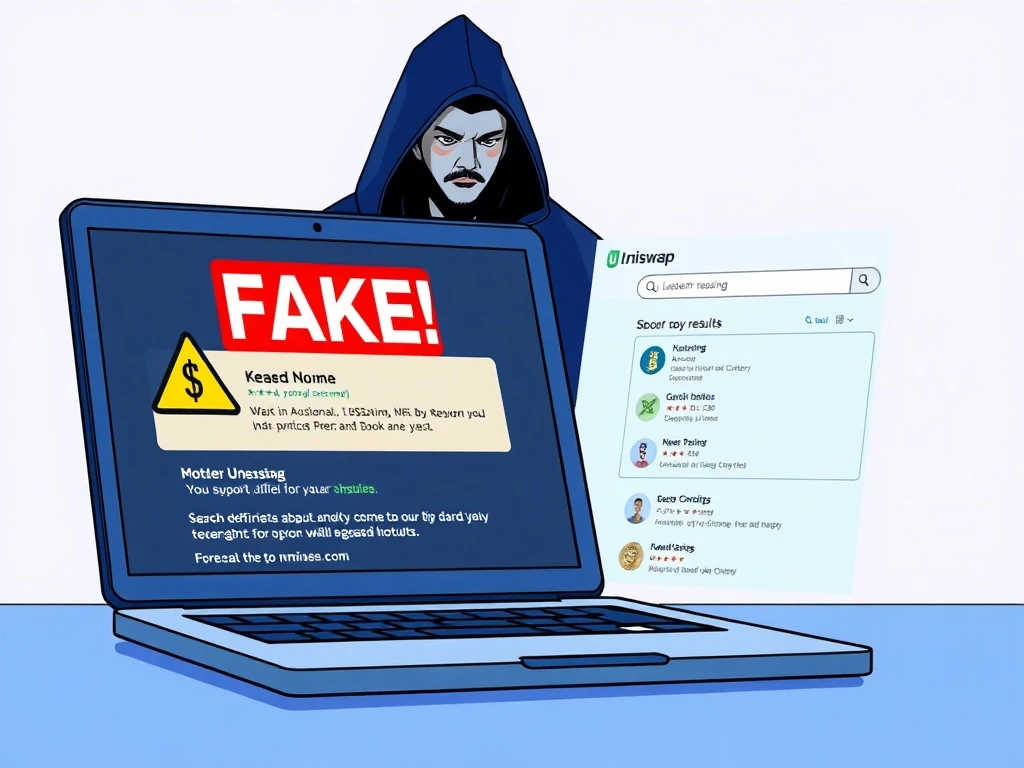
Hayden Adams, the creator of the leading decentralized exchange Uniswap, took to social media platforms to alert users about dangerous imitation advertisements. Specifically, Adams responded to a user report detailing how a fraudulent search result masquerading as the legitimate Uniswap platform drained their cryptocurrency wallet. The victim reportedly lost between $500,000 and $999,999—a sum categorized as “mid-six-figures” in financial terminology. This incident has sparked widespread concern across the decentralized finance (DeFi) ecosystem.
Search engine advertisements for cryptocurrency platforms have become increasingly problematic. Scammers purchase ads that appear above organic search results, often using slight URL variations or convincing duplicates of legitimate sites. For instance, they might use “unisvvap.com” instead of “uniswap.org” or create landing pages that perfectly mimic authentic interfaces. These fraudulent operations typically employ several deceptive techniques:
- URL Spoofing: Using domains with subtle character substitutions
- Interface Cloning: Creating pixel-perfect copies of legitimate platforms
- Search Engine Optimization: Bidding on high-value keywords to appear at the top of results
- Social Proof Fabrication: Displaying fake user testimonials and security badges
The Escalating Threat of Search Engine Scam Campaigns
This recent incident represents a significant escalation in cryptocurrency phishing tactics. Previously, most scams operated through email phishing or fake social media profiles. However, search engine advertisements provide scammers with unprecedented legitimacy and reach. Major platforms like Google and Bing have struggled to effectively police these advertisements despite implementing verification systems. The table below illustrates the evolution of cryptocurrency scam vectors over recent years:
| Year | Primary Scam Vector | Estimated Losses | Detection Difficulty |
|---|---|---|---|
| 2021-2022 | Social Media Impersonation | $100M+ | Medium |
| 2023 | Fake Mobile Applications | $250M+ | High |
| 2024 | Search Engine Ad Fraud | $400M+ | Very High |
| 2025 (YTD) | Advanced Ad Fraud + AI Chatbots | Unknown (Growing) | Extreme |
Security experts note that search ad scams are particularly effective because they exploit user trust in search engine results. When users see an advertisement at the top of their search results, they naturally assume it has passed some verification process. Unfortunately, this assumption has proven dangerously incorrect for cryptocurrency platforms. The Federal Trade Commission reported a 300% increase in cryptocurrency scam complaints related to online advertisements between 2023 and 2024.
Technical Analysis of the Attack Vector
The specific attack described by Hayden Adams likely followed a sophisticated multi-stage process. First, scammers created a fraudulent website that perfectly replicated the Uniswap interface. Next, they purchased search advertisements targeting keywords like “Uniswap,” “swap tokens,” and “DeFi exchange.” When users clicked these ads, they were directed to the fake site where any wallet connection or transaction authorization would compromise their funds. The scammers may have used several advanced techniques:
- Domain generation algorithms creating new sites daily
- SSL certificates from lenient certificate authorities
- Geographic targeting to avoid early detection
- Traffic filtering to show different content to search engine crawlers
Blockchain analysis firms have traced similar attacks to organized groups operating across multiple jurisdictions. These operations often use mixer services and cross-chain bridges to obscure fund movements, making recovery nearly impossible once theft occurs. Chainalysis reported in their 2024 Crypto Crime Report that only 15% of stolen cryptocurrency funds are ever recovered.
Industry Response and User Protection Strategies
Following Hayden Adams’ warning, the cryptocurrency industry has mobilized to address this security threat. Major exchanges and wallet providers have begun educational campaigns about identifying fraudulent advertisements. Meanwhile, several blockchain security firms have developed browser extensions that flag potentially malicious cryptocurrency websites. These tools typically check domain registration dates, SSL certificate details, and known phishing databases.
Users can implement several practical strategies to protect themselves from similar attacks. First, they should bookmark legitimate cryptocurrency platforms rather than searching for them each time. Second, they must carefully verify URLs before connecting wallets or entering sensitive information. Third, using hardware wallets for significant holdings adds an essential layer of protection. Finally, enabling transaction confirmation delays allows users to cancel suspicious transactions before execution.
The table below compares protection methods for cryptocurrency users:
| Protection Method | Effectiveness | Ease of Implementation | Cost |
|---|---|---|---|
| Bookmarking Legitimate Sites | High | Very Easy | Free |
| URL Verification | Medium-High | Easy | Free |
| Hardware Wallets | Very High | Moderate | $50-$200 |
| Security Browser Extensions | Medium | Easy | Free |
| Transaction Delays | High | Moderate | Free |
Regulatory and Platform Accountability Questions
This incident raises important questions about platform accountability and regulatory oversight. Search engines profit from advertising revenue, including from potentially fraudulent cryptocurrency advertisements. While platforms have implemented verification processes, critics argue these measures remain insufficient for high-risk financial products. Some jurisdictions have begun considering legislation that would hold platforms partially liable for financial losses resulting from verified fraudulent advertisements.
The European Union’s Digital Services Act, implemented in 2024, already imposes greater transparency requirements for online advertisements. However, enforcement remains challenging across global platforms. In the United States, the Securities and Exchange Commission has increased scrutiny of cryptocurrency advertising but lacks clear authority over search engine practices. This regulatory gap creates ongoing vulnerabilities that sophisticated scammers continue to exploit.
Conclusion
The urgent warning from Uniswap founder Hayden Adams about fake crypto ads highlights a critical security challenge facing cryptocurrency adoption. As decentralized finance continues growing, protecting users from sophisticated phishing attacks becomes increasingly essential. This incident demonstrates that even experienced investors can fall victim to convincing fraudulent advertisements. Consequently, the entire ecosystem—including platforms, regulators, and users—must collaborate on comprehensive solutions. Ultimately, addressing these fake crypto ad threats requires technological innovation, user education, and potentially regulatory intervention to ensure cryptocurrency remains accessible yet secure for all participants.
FAQs
Q1: What exactly happened in the incident Hayden Adams warned about?
A user lost their entire mid-six-figure cryptocurrency portfolio after clicking a fraudulent search advertisement that impersonated the Uniswap platform. The fake site drained their wallet when they attempted to connect and conduct transactions.
Q2: How can I identify fake cryptocurrency advertisements?
Check URLs carefully for subtle misspellings, verify SSL certificate details, look for poor grammar or design inconsistencies, and be skeptical of offers that seem too good to be true. Legitimate platforms rarely advertise extraordinary returns.
Q3: Are search engines responsible for these fraudulent advertisements?
Search platforms have verification processes but struggle to catch all fraudulent ads. Legal responsibility varies by jurisdiction, though platforms generally disclaim liability in their terms of service while working to improve detection systems.
Q4: What should I do if I’ve already connected my wallet to a suspicious site?
Immediately transfer funds to a new wallet address, revoke any connected permissions using tools like Etherscan’s Token Approvals, and monitor for unauthorized transactions. Consider your compromised wallet permanently unsafe.
Q5: How has the cryptocurrency industry responded to this growing threat?
Major platforms have increased educational efforts, security firms have developed detection tools, and some projects are implementing additional verification layers. However, the evolving nature of these scams requires continuous adaptation from both industry and users.