XRP Ledger’s Permissioned DEX Unleashes Institutional Trading with XLS-81 Activation
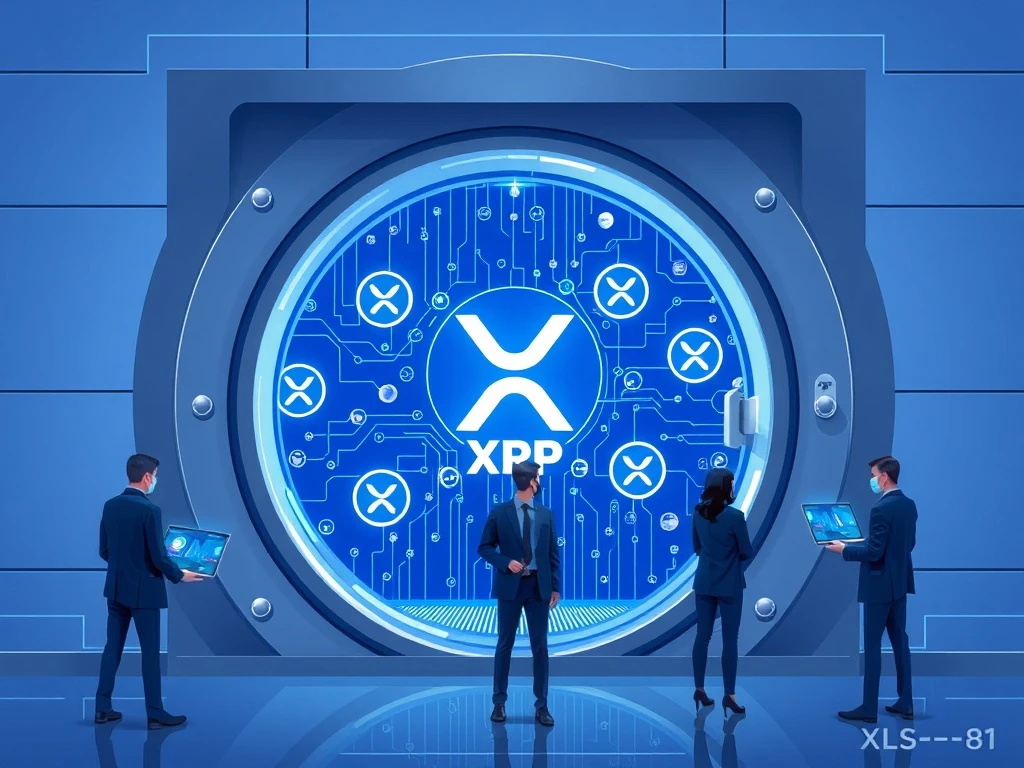
The XRP Ledger activated its groundbreaking Permissioned DEX feature on March 15, 2025, fundamentally transforming how regulated institutions access decentralized finance markets while maintaining the network’s open trading capabilities. This strategic upgrade, officially designated XLS-81, creates parallel trading environments that could bridge traditional finance with blockchain technology. Consequently, financial institutions now have a compliant pathway to participate in on-chain markets without compromising regulatory requirements.
XRP Ledger Permissioned DEX Redefines Institutional Blockchain Access
The XRP Ledger community successfully implemented the Permissioned DEX through the XLS-81 amendment. This development introduces gated trading venues specifically designed for Know Your Customer (KYC) and Anti-Money Laundering (AML) compliant institutions. Importantly, the existing open decentralized exchange remains fully operational and unchanged. Therefore, retail users and decentralized applications continue trading without restrictions or modifications to their current experience.
Blockchain analysts immediately recognized the significance of this dual-architecture approach. The Permissioned DEX operates as a separate layer within the same ledger infrastructure. Institutions can establish private trading pools with controlled membership while leveraging the XRP Ledger’s proven consensus mechanism and settlement speed. Meanwhile, the public DEX maintains its permissionless nature, ensuring the network’s foundational principles remain intact.
Technical Architecture and Implementation Details
The XLS-81 implementation represents years of development and community governance. Developers designed the Permissioned DEX to function through specialized issuer accounts that enforce membership requirements. These accounts can restrict trading to verified participants while maintaining full transparency on the public ledger. Every transaction remains visible and auditable, but participation requires pre-approval from the pool operator.
Key technical features include:
- Separate Trading Pools: Institutions create isolated trading environments
- Maintained Interoperability: Assets can bridge between permissioned and open environments
- Regulatory Compliance: Built-in controls for KYC/AML verification processes
- Settlement Efficiency: Maintains XRP Ledger’s 3-5 second settlement times
Institutional Adoption and Regulatory Implications
Financial institutions have increasingly sought compliant blockchain trading solutions throughout 2024 and early 2025. The Permissioned DEX directly addresses several regulatory concerns that previously limited institutional participation. Banks, asset managers, and fintech companies can now establish controlled trading environments that meet their compliance obligations. Furthermore, they can leverage the XRP Ledger’s established infrastructure rather than building proprietary systems.
Regulatory experts note this development aligns with global financial authority recommendations. The Financial Action Task Force (FATF) has consistently emphasized the importance of Travel Rule compliance in cryptocurrency transactions. The Permissioned DEX architecture naturally facilitates this compliance through its gated structure. Additionally, institutions can maintain proper audit trails and reporting capabilities required by securities regulators worldwide.
The following table compares traditional, open DEX, and permissioned DEX models:
| Feature | Traditional Finance | Open DEX | Permissioned DEX |
|---|---|---|---|
| Access Control | Highly Restricted | Permissionless | Gated Membership |
| Settlement Time | 2-3 Days | 3-5 Seconds | 3-5 Seconds |
| Regulatory Compliance | Full | Limited | Built-in |
| Transparency | Private | Public | Public with Private Participation |
Market Impact and Industry Response
Industry analysts report significant interest from traditional financial institutions following the XLS-81 activation. Several major banks have already begun testing the Permissioned DEX infrastructure for specific use cases. These include cross-border payments, tokenized asset trading, and interbank settlement operations. The activation timing proves particularly strategic as regulatory clarity improves in multiple jurisdictions.
Market data indicates increased XRP trading volume across major exchanges since the announcement. However, experts caution against attributing all movement to this single development. The broader cryptocurrency market has shown renewed institutional interest throughout early 2025. Multiple blockchain platforms have announced similar compliance-focused features, suggesting an industry-wide trend toward regulatory integration.
Technical Evolution and Community Governance Process
The XLS-81 amendment followed the XRP Ledger’s established governance procedures. Developers proposed the Permissioned DEX concept through the XRP Ledger Standards process. Community discussion and technical review occurred over several months. Validators then voted on the amendment through the ledger’s unique consensus mechanism. This democratic process ensured broad support before implementation.
Historical context reveals this development builds upon earlier XRP Ledger capabilities. The network has supported decentralized exchange functionality since its inception. Previous upgrades improved order book efficiency and asset issuance flexibility. The Permissioned DEX represents the next logical evolution, addressing specific institutional requirements while preserving existing functionality.
Key development milestones include:
- 2022: Initial Permissioned DEX concept proposal
- 2023: Technical specification development and security audits
- 2024 Q3: Community testing and validator feedback
- 2024 Q4: Final amendment preparation and voting period
- March 2025: Successful activation and deployment
Security Considerations and Risk Management
Security experts emphasize the importance of proper implementation for permissioned environments. The XLS-81 architecture maintains the XRP Ledger’s fundamental security model. All transactions still require validator consensus, preventing unauthorized modifications. However, pool operators assume additional responsibility for participant verification and access control management.
Institutional users must implement robust internal controls when operating permissioned trading pools. These include comprehensive KYC procedures, transaction monitoring systems, and compliance reporting mechanisms. The technology provides the framework, but institutions must apply traditional financial controls within this new environment. Consequently, successful adoption requires both technical and operational expertise.
Future Development Roadmap and Ecosystem Growth
The Permissioned DEX activation represents just one phase in the XRP Ledger’s ongoing evolution. Developers have already outlined potential enhancements for future upgrades. These include improved interoperability between permissioned pools, additional compliance tooling, and integration with external regulatory reporting systems. The community continues discussing how to balance innovation with regulatory requirements.
Ecosystem participants anticipate increased development activity following this milestone. Financial technology companies may build specialized applications leveraging the Permissioned DEX infrastructure. Traditional institutions might develop new products and services previously impossible on public blockchains. This innovation could drive broader blockchain adoption across regulated financial sectors.
Potential future developments include:
- Cross-chain compatibility with other permissioned networks
- Enhanced privacy features for sensitive institutional transactions
- Automated regulatory reporting and compliance verification
- Integration with central bank digital currency platforms
Conclusion
The XRP Ledger Permissioned DEX activation through XLS-81 marks a significant milestone for institutional blockchain adoption. This development creates compliant trading environments while preserving the network’s open, decentralized characteristics. Financial institutions now have a viable pathway to leverage blockchain technology for regulated activities. The successful implementation demonstrates the XRP Ledger’s adaptability and commitment to serving diverse market needs. As institutions begin utilizing these new capabilities, the broader financial ecosystem may experience accelerated blockchain integration and innovation.
FAQs
Q1: What exactly is the XRP Ledger Permissioned DEX?
The Permissioned DEX is a gated trading environment on the XRP Ledger that requires KYC/AML verification for participation. It operates alongside the existing open decentralized exchange through the XLS-81 upgrade.
Q2: Does the Permissioned DEX replace the existing XRP Ledger DEX?
No, it operates in parallel. The open DEX remains fully functional and unchanged. Users can choose between permissionless trading on the public DEX or regulated trading on permissioned pools.
Q3: What institutions might use the Permissioned DEX?
Banks, asset managers, fintech companies, and any regulated financial entities requiring compliant blockchain trading could utilize this infrastructure for various applications including cross-border payments and tokenized asset trading.
Q4: How does this affect regular XRP holders and traders?
Regular users experience no changes to their current trading activities. The Permissioned DEX creates additional trading venues specifically for institutions, potentially increasing overall network utility and adoption.
Q5: What security measures protect the Permissioned DEX?
The system maintains the XRP Ledger’s existing consensus security while adding membership controls at the pool level. Institutions must implement their own compliance procedures, and all transactions remain publicly visible on the ledger.