Paris Saint-Germain Bitcoin Strategy: Bold Treasury Move Transforms $4.6B Football Empire
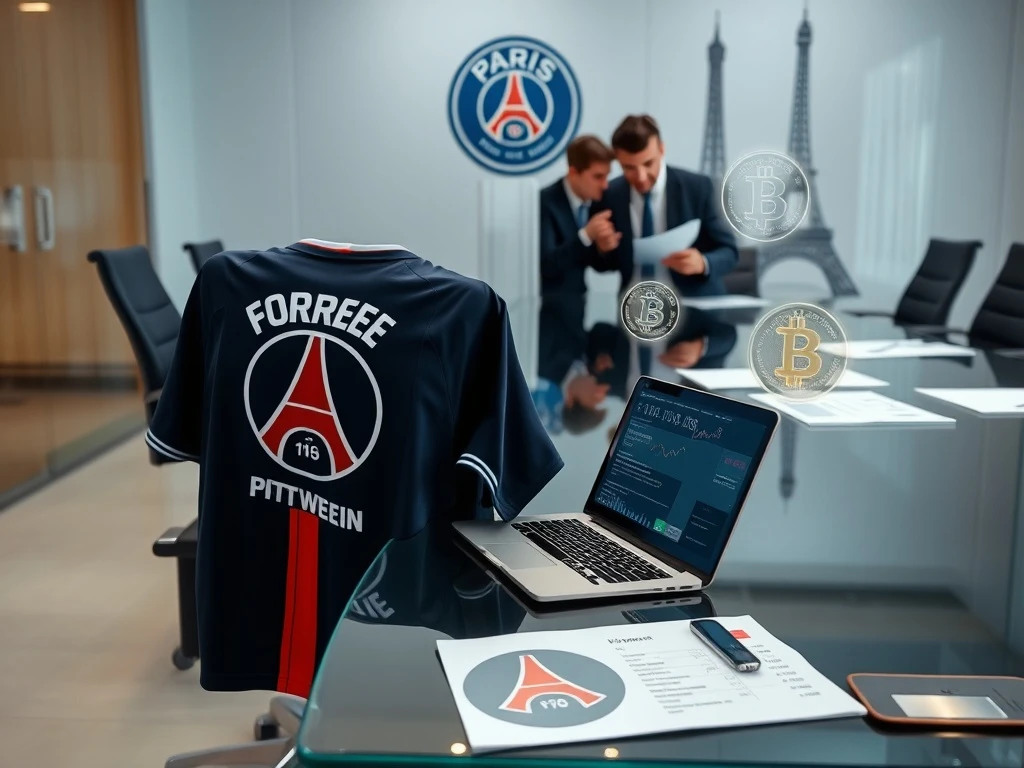
PARIS, FRANCE – March 2025: In a landmark decision reshaping sports finance, Paris Saint-Germain Football Club has officially confirmed Bitcoin holdings within its corporate treasury, fundamentally altering how elite sports organizations manage their substantial assets. This strategic allocation places the $4.6 billion-valued football giant among pioneering institutions embracing digital assets for balance sheet diversification. Consequently, the move signals a significant shift in institutional acceptance of cryptocurrency as a legitimate treasury asset class.
Paris Saint-Germain Bitcoin Treasury Strategy Analysis
Paris Saint-Germain’s confirmation of Bitcoin holdings represents more than a simple investment decision. The club’s treasury strategy now includes digital assets alongside traditional holdings. Financial analysts immediately recognized the implications for other sports franchises globally. Moreover, this development follows similar moves by technology companies and financial institutions throughout 2024 and early 2025.
The club’s financial leadership carefully structured this allocation. They considered Bitcoin’s potential as both an inflation hedge and growth asset. Treasury diversification typically reduces portfolio volatility across market cycles. Therefore, PSG’s approach mirrors strategies employed by MicroStrategy and Tesla in previous years. However, sports organizations face unique liquidity requirements and regulatory considerations.
| Year | Institution | Bitcoin Allocation | Reported Value |
|---|---|---|---|
| 2020 | MicroStrategy | Corporate Treasury | $425M initial |
| 2021 | Tesla | $1.5B purchase | Balance sheet asset |
| 2022 | Multiple hedge funds | Portfolio diversification | Varies by fund |
| 2023 | National governments | Reserve assets | El Salvador led |
| 2024 | University endowments | Alternative investment | Yale model adoption |
| 2025 | Paris Saint-Germain | Treasury strategy | Undisclosed amount |
Institutional Crypto Adoption in Sports Finance
The sports industry increasingly explores cryptocurrency integration. Several football clubs previously launched fan tokens and NFT collections. However, direct Bitcoin treasury allocation represents a more substantial financial commitment. PSG’s decision follows extensive due diligence and risk assessment. Financial experts note the club’s sophisticated approach to asset management.
Global sports franchises manage enormous cash reserves from various revenue streams. These typically include:
- Broadcasting rights: Multi-billion dollar contracts
- Sponsorship deals: Qatar Airways partnership
- Merchandise sales: Global retail operations
- Matchday revenue: Parc des Princes capacity
- Player transfers: Significant capital movements
Traditional treasury management for sports clubs typically emphasizes liquidity and capital preservation. Bitcoin allocation introduces new considerations regarding volatility management and custody solutions. Nevertheless, PSG’s financial team reportedly implemented robust security protocols. They selected institutional-grade custody providers with proven track records.
Financial Strategy and Risk Management Framework
PSG’s treasury committee developed a comprehensive framework before allocating to Bitcoin. This process involved multiple financial advisors and technology experts. The club considered Bitcoin’s historical performance during inflationary periods. Additionally, they analyzed correlation patterns with traditional asset classes.
The decision-making timeline spanned approximately eighteen months. Club executives examined regulatory developments across multiple jurisdictions. French financial authorities have established clearer guidelines for institutional crypto holdings since 2023. European Union markets also progressed with comprehensive cryptocurrency regulations.
Risk management protocols address several key areas:
- Price volatility: Position sizing and rebalancing strategies
- Custody security: Multi-signature wallet solutions
- Regulatory compliance: Ongoing monitoring of legal frameworks
- Accounting treatment: International financial reporting standards
- Tax implications: Cross-border transaction considerations
Impact on Football Club Financial Operations
PSG’s Bitcoin treasury allocation influences broader football finance practices. Other elite clubs now evaluate similar strategies. The English Premier League’s financial powerhouses monitor this development closely. Similarly, Spanish and Italian football giants assess potential implementations.
Football finance traditionally emphasized conservative investment approaches. However, modern clubs increasingly adopt sophisticated financial technologies. Digital asset integration represents the latest evolution in sports treasury management. This trend aligns with broader digital transformation across the sports industry.
Several factors make Bitcoin particularly relevant for international sports organizations:
- Global operations: Cross-border payment efficiency
- Dollar diversification: Reduced USD dependency
- Inflation protection Purchasing power preservation
- Technological alignment: Digital fan engagement synergy
- Brand positioning: Innovation leadership perception
Expert Perspectives on Institutional Adoption
Financial analysts emphasize PSG’s strategic timing. Bitcoin’s institutional infrastructure matured significantly during 2024. Regulatory clarity improved across major markets. Custody solutions reached enterprise-grade reliability standards. Trading venues developed deeper liquidity pools.
University research supports institutional Bitcoin allocation under specific conditions. Harvard Business School published relevant treasury management studies in 2024. These studies examined optimal allocation percentages for diversified portfolios. Researchers identified 1-5% allocations as potentially beneficial for certain institutional profiles.
Sports business experts note additional considerations beyond pure financial returns. Football clubs maintain unique stakeholder relationships with fans, sponsors, and communities. Treasury decisions inevitably influence brand perception and partner relationships. PSG reportedly conducted extensive stakeholder consultations before finalizing their Bitcoin strategy.
Future Implications for Sports and Finance
The convergence of sports and cryptocurrency continues accelerating. PSG’s treasury move establishes an important precedent. Other sports franchises will likely announce similar allocations throughout 2025. League governing bodies may develop specific guidelines for digital asset holdings.
Financial technology companies increasingly target sports organizations. They develop specialized products for this market segment. These solutions address unique sports industry requirements. They consider seasonality of cash flows and transfer window timing.
Traditional financial institutions adapt their sports banking services. Major banks now offer cryptocurrency advisory alongside conventional treasury management. This development reflects broader institutional acceptance of digital assets. Financial regulators monitor these developments across jurisdictions.
Conclusion
Paris Saint-Germain’s Bitcoin treasury allocation represents a transformative moment in sports finance. The $4.6 billion football club’s strategic decision validates cryptocurrency as a legitimate institutional asset class. This development follows years of gradual institutional adoption across other sectors. PSG’s comprehensive approach demonstrates sophisticated treasury management practices. The club considered financial, regulatory, and operational dimensions before implementation. Consequently, this move will likely influence how global sports organizations manage their substantial assets. Football finance continues evolving with technological innovation. Paris Saint-Germain’s Bitcoin strategy positions the club at this intersection of sports and financial technology.
FAQs
Q1: How much Bitcoin has Paris Saint-Germain added to its treasury?
Paris Saint-Germain has not disclosed the exact Bitcoin allocation amount. The club confirmed holdings as part of treasury strategy without specifying quantities. Institutional investors often keep such details confidential for competitive and security reasons.
Q2: Why would a football club invest in Bitcoin?
Football clubs like PSG manage substantial cash reserves requiring sophisticated treasury management. Bitcoin offers potential diversification benefits, inflation hedging properties, and exposure to technological innovation. The asset class may provide uncorrelated returns compared to traditional investments.
Q3: How does PSG secure its Bitcoin holdings?
While specific security details remain confidential, institutional Bitcoin holders typically employ enterprise-grade custody solutions. These often include multi-signature wallets, institutional custodians, insurance coverage, and comprehensive security protocols meeting financial industry standards.
Q4: Will other football clubs follow PSG’s Bitcoin strategy?
Financial analysts expect other elite clubs to evaluate similar treasury allocations. The sports industry frequently observes trend adoption among leading organizations. However, each club will conduct independent due diligence based on their specific financial circumstances and risk tolerance.
Q5: How does Bitcoin affect PSG’s financial reporting?
Bitcoin holdings require specific accounting treatment under International Financial Reporting Standards (IFRS). The asset class typically falls under intangible assets or financial instruments depending on jurisdiction and holding purpose. Clubs must account for price fluctuations according to applicable accounting standards.