Shocking South Korean Police Bitcoin Loss Exposes $1.5M Custody Failure in Seized Digital Assets
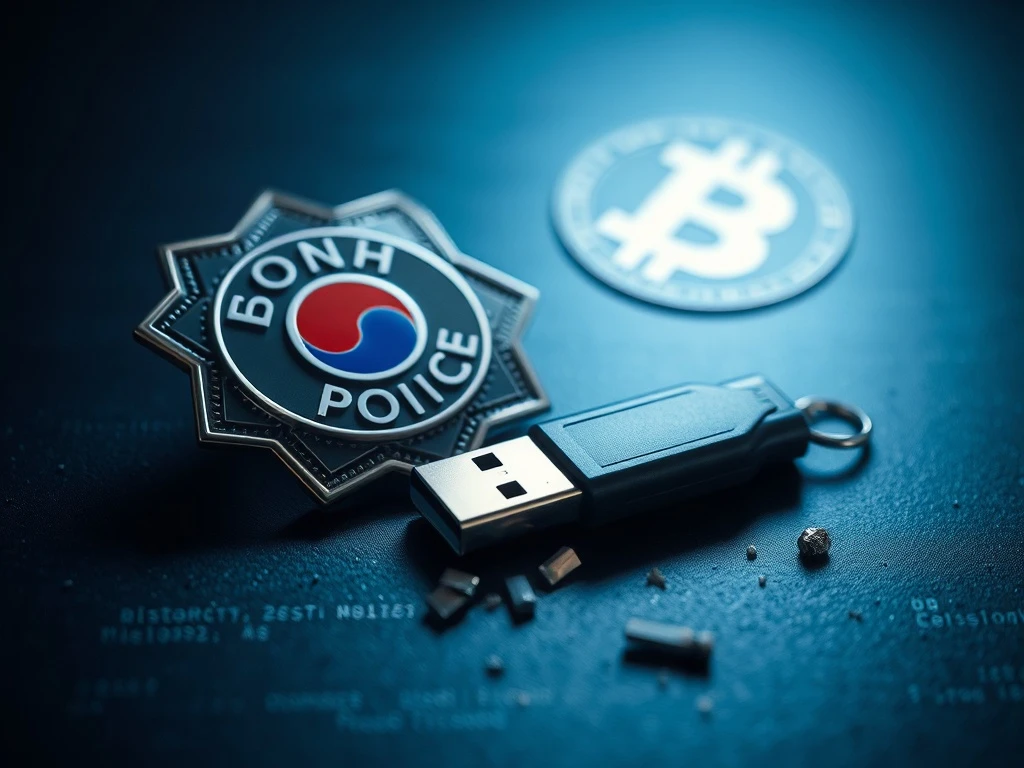
In a stunning security failure, South Korean authorities in Seoul confirmed a devastating loss of 22 Bitcoin, valued at approximately $1.5 million, from police custody during a routine 2026 digital asset audit. This incident, originating from the Gangnam Police Station, reveals critical vulnerabilities in law enforcement’s handling of seized cryptocurrency, especially as the assets disappeared remotely while their physical cold storage device remained under lock and key. Consequently, this breach forms part of a troubling pattern, with a separate loss of 320 BTC reported in Gwangju the same year, raising urgent questions about institutional preparedness for the digital age.
Anatomy of the South Korean Police Bitcoin Custody Breach
The Gangnam Police Station’s loss represents a sophisticated failure in digital asset security protocols. Authorities seized the Bitcoin during a prior investigation, transferring it to a USB hardware wallet for offline, or ‘cold,’ storage—a method widely considered secure. However, during a scheduled 2026 audit, officials discovered the wallet had been drained. Forensic analysis suggests a remote attack compromised the wallet’s seed phrase or private keys, not the physical USB device itself. This distinction is crucial, as it points to flaws in key generation, storage, or personnel access controls rather than simple physical theft.
Furthermore, the incident underscores a gap between traditional evidence handling and digital asset management. Law enforcement agencies globally now routinely seize cryptocurrencies in fraud, drug, and cybercrime cases. South Korea, a global cryptocurrency hub, has established procedures, but this breach indicates potential weaknesses in their execution. For instance, the audit that uncovered the loss was a standard procedure, highlighting that the theft likely occurred well before the check. The timeline remains under investigation, but the damage to public trust and institutional credibility is immediate and severe.
Systemic Vulnerabilities in Digital Evidence Custody
This is not an isolated incident. The separate 2026 loss of 320 BTC in Gwangju, reported by South Korean authorities, confirms a systemic issue. When analyzed together, these breaches suggest common failures across different jurisdictions. Experts point to several potential vulnerability points in the custody chain for seized crypto:
- Key Management: The process of generating and storing the private keys that control cryptocurrency wallets. A single compromised key renders all associated assets vulnerable.
- Personnel Training: Officers may lack specialized training in blockchain technology and crypto security, leading to inadvertent errors.
- Third-Party Reliance: Agencies might depend on external vendors or software with unvetted security standards.
- Internal Controls: Inadequate logging, multi-signature requirements, or checks and balances for accessing digital vaults.
Moreover, the remote nature of the Gangnam theft eliminates simple explanations like physical burglary. It implies that digital forensic traces, if any exist, will be complex and blockchain-based. Investigators must trace the stolen BTC across the public ledger, a process that requires specialized blockchain analysts. The table below contrasts traditional and digital evidence custody challenges:
| Evidence Type | Traditional Custody Risk | Digital Asset Custody Risk |
|---|---|---|
| Cash | Physical theft, misplacement | Not applicable |
| Gold/Drugs | Physical theft, degradation | Not applicable |
| Cryptocurrency | Theft of hardware (e.g., USB) | Remote hacking, key compromise, insider threats, technological obsolescence |
| Paper Documents | Damage, loss, unauthorized access | Digitization required for preservation |
Expert Analysis on Institutional Crypto Security
Cybersecurity and blockchain specialists emphasize that law enforcement agencies are now high-value targets. Dr. Mina Choi, a digital forensics professor at KAIST, notes, ‘Police evidence lockers are becoming digital fortresses by necessity. The 2026 breaches in South Korea demonstrate that adversaries are not trying to steal the USB drive from the vault; they are attacking the cryptographic keys that represent the asset itself. This requires a fundamental shift in security posture from physical guarding to cyber-defense.’
Additionally, the financial impact extends beyond the direct loss. The value of seized Bitcoin fluctuates with the market, creating liability and accounting complexities for the state. If the stolen BTC appreciates, the financial loss to the public grows. This incident will likely accelerate the adoption of insured, institutional-grade custody solutions and mandatory multi-signature wallets for all seized digital assets. Other nations, including the United States and United Kingdom, have developed more advanced protocols through their respective asset recovery units, which South Korean authorities may now urgently study.
Legal and Regulatory Repercussions for South Korea
The confirmed loss triggers significant legal and procedural consequences. First, it may compromise ongoing or closed criminal cases where the Bitcoin was evidence, potentially leading to appeals or dismissed charges. Second, it exposes the South Korean government to substantial liability. Victims of the original crimes or claimants to the assets could sue for negligence. The National Police Agency has launched an internal probe, and the findings will likely influence national policy.
In response, legislators are already calling for stricter regulations. Proposed measures include mandatory use of certified custody providers, real-time blockchain monitoring for all seized wallets, and regular penetration testing of police digital evidence systems. The Financial Services Commission (FSC) may also expand its oversight to include law enforcement’s crypto handling, not just exchanges. This regulatory spillover effect is common after major security failures, as seen after high-profile exchange hacks.
Conclusion
The shocking South Korean police Bitcoin loss of $1.5 million is a watershed moment for digital asset security in law enforcement worldwide. This incident, coupled with the Gwangju breach, exposes critical flaws in the custody chain for seized cryptocurrency, moving the threat from physical theft to remote, cryptographic attack. Consequently, it demands a comprehensive overhaul of training, technology, and protocols. As cryptocurrencies become more prevalent in criminal investigations, the ability of authorities to secure these assets is paramount to maintaining judicial integrity and public trust. The lessons from Seoul’s 2026 audit failure will undoubtedly shape global standards for years to come.
FAQs
Q1: How did the South Korean police lose the seized Bitcoin if the USB wallet was physically secure?
The loss was due to a remote attack, likely involving the compromise of the wallet’s private keys or seed phrase. The physical USB device was merely an interface; the actual cryptocurrency exists on the blockchain and is controlled by digital keys. If those keys are stolen, the assets can be moved from anywhere with an internet connection.
Q2: What is a cold wallet, and why is it considered secure?
A cold wallet is a cryptocurrency storage method where private keys are kept completely offline on a device like a USB hardware wallet. It is considered secure because it is immune to remote online hacking. However, its security depends entirely on safeguarding the keys generated during setup. If those keys are exposed or poorly generated, the cold wallet can be compromised.
Q3: What could be the legal impact of losing seized cryptocurrency as evidence?
The loss can severely damage criminal prosecutions. Defense attorneys may argue evidence tampering or chain-of-custody breakdown, potentially leading to dismissed charges or successful appeals. It also opens the law enforcement agency to civil lawsuits for negligence from victims or other claimants to the assets.
Q4: Are other countries’ police forces vulnerable to similar Bitcoin custody breaches?
Yes, any law enforcement agency seizing and storing cryptocurrency faces similar risks. The sophistication of the threat requires specialized knowledge and tools that many traditional evidence units lack. Countries with advanced asset recovery networks, like the U.S. Marshals Service, have more developed protocols but are not immune.
Q5: What steps can police take to prevent such losses in the future?
Key steps include: using institutional, multi-signature custody solutions requiring multiple approvals for transactions; employing dedicated, trained crypto custodians; conducting regular, surprise audits; using hardware security modules (HSMs) for key generation; and avoiding reliance on single points of failure, like a single USB wallet controlled by one set of keys.