SafeMoon CEO Receives Devastating 8-Year Sentence for $10M Cryptocurrency Fraud Scheme
In a landmark ruling that sends shockwaves through the cryptocurrency industry, former SafeMoon CEO Braden John Karony received an eight-year federal prison sentence on November 15, 2024, for orchestrating a sophisticated $10 million cryptocurrency fraud scheme that devastated thousands of investors.
SafeMoon CEO Fraud Case Culminates in Significant Prison Sentence
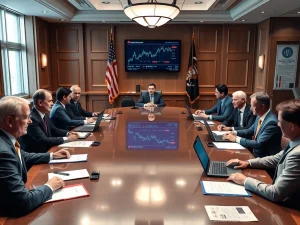
Federal prosecutors secured a major victory against cryptocurrency fraud when U.S. District Judge John G. Koeltl sentenced 28-year-old Braden John Karony to 96 months imprisonment. The sentencing followed Karony’s conviction on multiple counts of wire fraud, securities fraud, and money laundering. Consequently, this case represents one of the most significant enforcement actions against a cryptocurrency executive in recent years.
Investigators from multiple agencies, including the FBI and SEC, meticulously traced complex blockchain transactions. They discovered Karony diverted approximately $9 million from the SafeMoon liquidity pool. Subsequently, he used these stolen funds for extravagant personal purchases. These purchases included:
- A $3.2 million luxury residence in Provo, Utah
- Multiple high-end vehicles including Porsches and a McLaren
- Customized trucks and recreational vehicles
- Extensive personal travel and luxury goods
Meanwhile, SafeMoon investors watched the token’s value plummet by over 90% from its all-time high. The Department of Justice emphasized this sentencing demonstrates serious consequences for cryptocurrency fraud.
Cryptocurrency Sentencing Sets Important Legal Precedent
Legal experts consider this cryptocurrency sentencing particularly significant for several reasons. First, it establishes clear jurisdictional authority over decentralized finance (DeFi) projects. Second, it demonstrates law enforcement’s growing capability to trace blockchain transactions. Third, it reinforces that cryptocurrency executives face the same legal standards as traditional financial leaders.
Prosecutors presented compelling evidence during the trial. They showed Karony made false promises about token “burning” mechanisms. Additionally, they proved he manipulated the SafeMoon smart contract. Forensic accountants followed the money trail through multiple cryptocurrency wallets. They ultimately connected the funds to Karony’s personal bank accounts.
The court also ordered substantial forfeitures. Specifically, Karony must surrender:
| Asset Type | Estimated Value |
|---|---|
| Real Estate Properties | $4.1 million |
| Luxury Vehicles | $1.8 million |
| Cryptocurrency Holdings | $2.3 million |
| Cash & Bank Accounts | $1.2 million |
These assets will enter a restitution fund for defrauded investors. However, recovery remains challenging since many assets depreciated significantly.
Regulatory Impact on DeFi Projects
This case immediately affects the broader decentralized finance sector. Regulatory agencies now scrutinize similar projects more carefully. The SEC specifically cited SafeMoon’s promotional materials as unregistered securities offerings. Furthermore, the case highlights the importance of transparent liquidity pool management.
Industry analysts note increased compliance measures across cryptocurrency projects. Many platforms now implement third-party audits regularly. Additionally, they establish clearer tokenomics documentation. This sentencing may accelerate regulatory frameworks for DeFi operations nationwide.
Braden John Karony’s Downfall and Legal Proceedings
Braden John Karony’s journey from cryptocurrency entrepreneur to convicted felon unfolded over three years. SafeMoon launched in March 2021 during the meme coin frenzy. It quickly gained popularity through social media promotion. However, investigators soon identified irregularities in the project’s financial management.
Authorities arrested Karony in October 2023 after a comprehensive investigation. The legal process moved rapidly through the federal court system. Karony initially pleaded not guilty but changed his plea before trial. His defense team argued for leniency based on his youth and cooperation. However, the judge emphasized the need for deterrence in the volatile cryptocurrency market.
Victim impact statements revealed devastating consequences. One investor lost $450,000 intended for retirement savings. Another used emergency funds hoping for quick returns. These personal stories influenced the sentencing decision significantly. The judge noted Karony betrayed investor trust for purely personal gain.
Cryptocurrency Fraud Case Implications for Investors
This case provides crucial lessons for cryptocurrency investors. First, it underscores the importance of due diligence beyond marketing claims. Second, it reveals the risks associated with unaudited smart contracts. Third, it demonstrates that even popular projects can involve fraudulent activities.
Financial regulators recommend several protective measures:
- Verify independent smart contract audits before investing
- Research team backgrounds and previous projects thoroughly
- Understand tokenomics and liquidity mechanisms completely
- Diversify cryptocurrency holdings across established projects
Moreover, this sentencing shows law enforcement can prosecute complex cryptocurrency crimes effectively. Investors should report suspicious activities to appropriate agencies promptly. The SEC continues expanding its cryptocurrency enforcement division accordingly.
Conclusion
The eight-year prison sentence for SafeMoon CEO Braden John Karony establishes a crucial benchmark for cryptocurrency fraud cases. This ruling demonstrates federal authorities possess both the capability and determination to prosecute complex digital asset crimes. Furthermore, it provides some measure of justice for defrauded investors while sending a clear deterrent message to the cryptocurrency industry. As regulatory frameworks evolve, this SafeMoon CEO fraud case will likely influence future enforcement actions and industry practices significantly.
FAQs
Q1: What specific crimes was the SafeMoon CEO convicted of?
Braden John Karony faced conviction on three counts of wire fraud, two counts of securities fraud, and one count of conspiracy to commit money laundering. Federal prosecutors proved he diverted investor funds for personal luxury purchases.
Q2: How much money must Karony forfeit as part of his sentence?
The court ordered approximately $9.4 million in forfeitures, including real estate, vehicles, cryptocurrency holdings, and cash. These assets will enter a restitution fund for defrauded investors, though full recovery remains uncertain.
Q3: What does this case mean for other cryptocurrency projects?
This sentencing increases regulatory scrutiny on DeFi projects, particularly those with centralized control elements. Projects now face pressure for greater transparency, independent audits, and clearer compliance with securities regulations.
Q4: Can investors expect to recover their lost funds?
While the court established a restitution fund, recovery depends on asset liquidation values and administrative processes. Investors should register with the Department of Justice’s victim notification system for updates on distribution timelines.
Q5: How did authorities trace the cryptocurrency transactions?
Federal investigators used blockchain analysis tools to follow transactions across multiple wallets. They collaborated with cryptocurrency exchanges to identify off-ramps where digital assets converted to traditional currency, creating a comprehensive financial trail.