Binance Deepfake FUD Crisis: Yi He’s Urgent Warning on Eroding Crypto Market Confidence
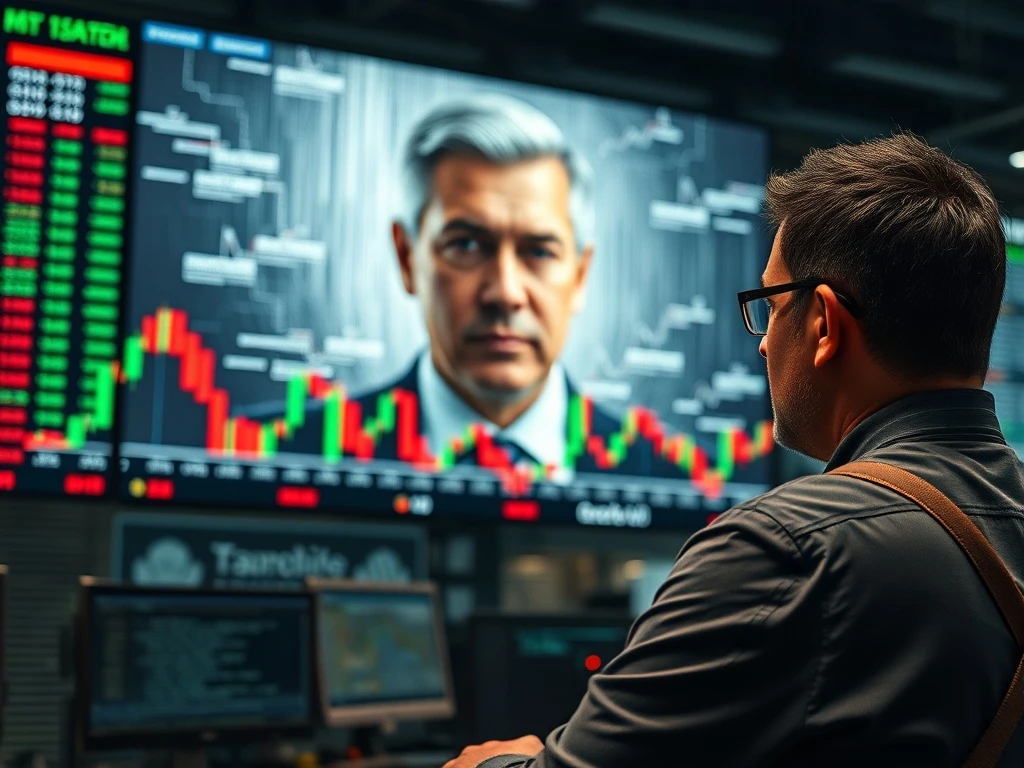
In a stark address from Singapore this week, Binance co-founder Yi He issued a critical warning: a surge in sophisticated deepfake disinformation is actively eroding hard-won crypto market confidence. This alarming trend, she argues, represents a fundamental threat to investor trust that transcends typical market volatility. The immediate catalyst was a series of hyper-realistic AI-generated videos featuring her and former CEO Changpeng ‘CZ’ Zhao, which spread rapidly across social platforms despite satirical disclaimers. Consequently, the incident has ignited a fresh debate about technological vulnerability and financial stability in the digital asset space.
Binance Deepfake FUD Triggers Market Anxiety
The viral deepfake clips depicted Binance’s key figures making outrageous statements about exchange solvency and regulatory actions. Although some versions carried labels identifying them as parody, their technical quality caused significant confusion. Many users struggled to distinguish the fabrications from reality. This event is not isolated. Furthermore, a 2024 report from the Blockchain Intelligence Group documented a 300% year-over-year increase in AI-generated crypto scams. The Binance deepfake FUD episode, therefore, fits a dangerous and expanding pattern. Market analysts immediately observed a correlation. Shortly after the videos circulated, Bitcoin’s price exhibited unusual slippage and trading volume spiked on derivative platforms, indicating heightened trader nervousness.
This phenomenon leverages a classic disinformation playbook but with unprecedented tools. Bad actors use deepfakes to simulate credibility and urgency, exploiting the fast-paced nature of crypto news cycles. The primary impact is the seeding of doubt. When investors cannot verify the authenticity of statements from industry leaders, their decision-making process falters. This erosion of trust can lead to premature sell-offs, reduced market participation, and increased volatility. The table below outlines the key differences between traditional FUD and modern AI-powered FUD:
| Traditional FUD | AI-Powered Deepfake FUD |
|---|---|
| Relies on text rumors, anonymous posts | Uses audiovisual forgery of trusted figures |
| Easier to debunk with source checking | Requires technical verification tools |
| Spread speed limited by manual sharing | Algorithmically amplified on social media |
| Targets general market sentiment | Personalizes attacks on specific institutions |
The Mechanics of AI Misinformation in Crypto
Generative AI tools have become alarmingly accessible. For a minimal cost, individuals can now produce convincing fake videos, a process known as “deepfake synthesis.” The technology typically uses a type of machine learning called a generative adversarial network (GAN). These networks train on hours of real footage to replicate a person’s likeness, voice, and mannerisms. In the crypto context, the damage multiplier is the market’s 24/7 global nature and its reliance on social media for real-time information. A single deepfake can reach millions of viewers before verification efforts even begin.
Yi He’s warning underscores a systemic risk. When confidence in foundational information collapses, the entire market’s integrity is compromised. This is not merely a public relations issue for Binance. It is a security and stability issue for the broader digital asset ecosystem. Regulatory bodies worldwide are now scrutinizing this threat. For instance, the European Union’s Digital Services Act and the upcoming U.S. AI Accountability Act both create frameworks for holding platforms accountable for mitigating AI-generated harms, including financial misinformation.
Expert Analysis on Trust and Technology
Dr. Anya Petrova, a cybersecurity fellow at the Stanford Digital Currency Initiative, explains the unique vulnerability of crypto markets. “Traditional finance has centralized gatekeepers like newswires and corporate communications departments that can quickly issue denials,” she notes. “The decentralized and community-driven nature of crypto, while a strength, also makes it acutely susceptible to information attacks. Trust is the native currency of this ecosystem, and deepfakes are a direct counterfeiting tool.” Her research indicates that recovery from a major deepfake-induced panic can take 3-5 times longer than recovery from a routine market correction, due to lingering distrust.
The timeline of this evolving threat is telling. Early deepfakes in crypto (2021-2022) were crude and easily spotted. By mid-2023, quality had improved, targeting mid-level influencers. The Binance deepfake FUD incident of early 2025 marks a strategic escalation, directly aiming at the most recognizable leaders of the largest global exchange. This progression suggests attackers are testing market responses and refining their tactics. The potential next phase, experts fear, could involve real-time “live” deepfakes during major announcements or market events.
Proactive Measures and Industry Response
In response to this crisis, Binance and other exchanges are accelerating countermeasures. These efforts focus on both detection and prevention. Key initiatives now being deployed include:
- Verification Protocols: Implementing cryptographic signing for official video statements, allowing users to verify authenticity via blockchain.
- AI Detection Partnerships: Collaborating with third-party firms like Sensity AI to scan platforms for forged media targeting their executives.
- Public Education Campaigns: Teaching users to identify potential deepfakes by looking for unnatural eye blinking, audio sync issues, and strange lighting artifacts.
- Enhanced Platform Policies: Pressuring social media companies to apply faster content labels and takedowns for proven financial deepfakes.
Simultaneously, the technology sector is developing defensive tools. Startups are creating browser plugins that analyze video metadata and provide real-time authenticity scores. Major cloud providers are offering APIs that help platforms screen uploaded content. However, this remains an arms race. The core challenge, as Yi He emphasized, is that defensive measures often lag behind offensive capabilities. Building resilient market confidence, therefore, requires a paradigm shift. The community must cultivate a culture of verification, moving beyond the habit of reacting to sensational headlines.
Conclusion
Yi He’s warning about deepfake-driven FUD eroding crypto market confidence highlights a critical inflection point for the industry. The threat is no longer hypothetical; it is a present and active risk to investor trust and market stability. Combating this requires a multi-faceted approach combining advanced technology, sensible regulation, and informed user behavior. The integrity of the cryptocurrency ecosystem depends on its ability to authenticate information as robustly as it verifies transactions. As the industry matures, safeguarding against AI-powered misinformation will be just as crucial as securing digital wallets. The persistent FUD challenge now demands persistent, sophisticated solutions to preserve the foundational trust that all markets require.
FAQs
Q1: What exactly is a “deepfake” in the context of cryptocurrency?
A deepfake is a video or audio recording that has been convincingly altered using artificial intelligence to make it appear someone said or did something they did not. In crypto, these are used to fake statements from executives like Binance’s Yi He or CZ to spread fear, uncertainty, and doubt (FUD) and manipulate markets.
Q2: How can I tell if a crypto news video is a deepfake?
Look for technical flaws like unnatural facial movements, poor lip-syncing, or inconsistent lighting. Always check the source—official announcements come through verified channels like the company’s blog or official social media with verification badges. When in doubt, wait for confirmation from multiple reputable news outlets.
Q3: Why are crypto markets particularly vulnerable to deepfake FUD?
Crypto markets operate 24/7 globally with heavy reliance on social media and instant messaging for news. This fast-paced, decentralized information environment allows deepfakes to spread rapidly before they can be debunked, causing immediate panic selling or buying based on false information.
Q4: What is Binance doing to combat deepfake misinformation?
Binance has announced initiatives including developing cryptographic verification for its official communications, partnering with AI detection firms to identify forgeries, running user education campaigns, and advocating for stricter platform policies on social media regarding financial deepfakes.
Q5: Could deepfake FUD lead to stricter regulations for crypto?
Yes, financial regulators worldwide are increasingly concerned about AI’s role in market manipulation. Incidents like the Binance deepfake are likely to accelerate calls for and the implementation of regulations that mandate transparency in digital communications and impose accountability on platforms that host harmful financial disinformation.