Jerome Powell Investigation Sparks Unprecedented Crisis as Warsh Hearings Accelerate in Parallel
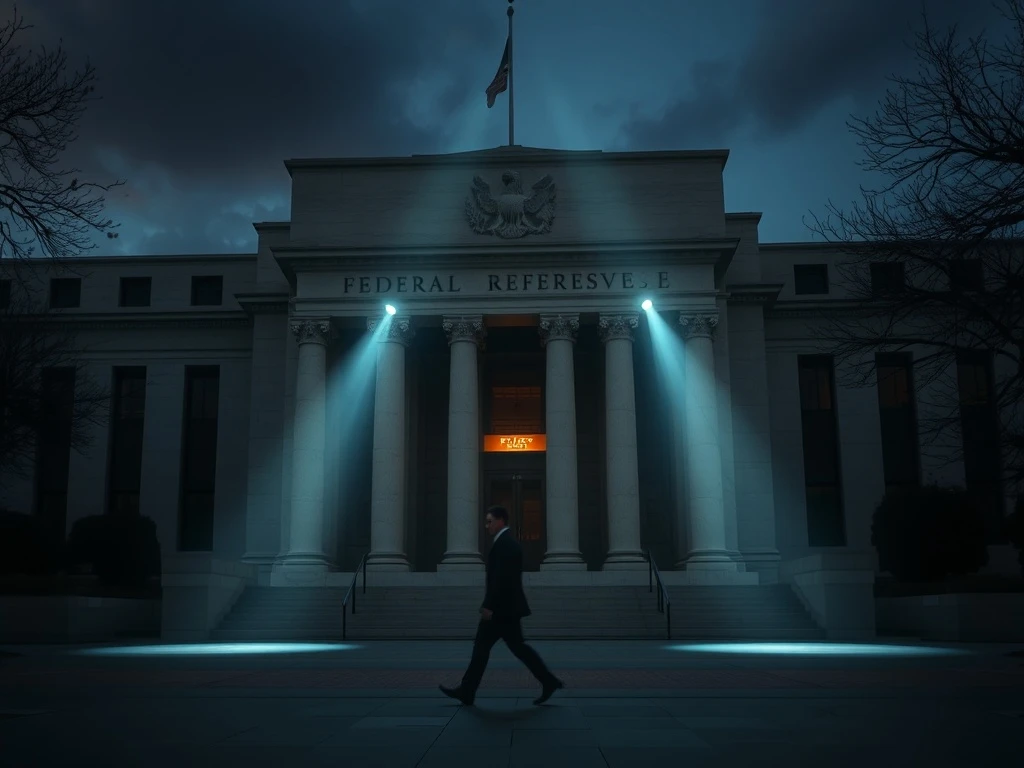
WASHINGTON D.C., March 2025 – Federal Reserve Chair Jerome Powell now confronts a historic challenge as the Department of Justice continues its investigation while confirmation hearings for his potential successor, Kevin Warsh, gain momentum. This unprecedented situation creates dual pressures on America’s central bank leadership during critical economic times. Treasury Secretary Scott Bessent recently urged lawmakers to advance Warsh’s confirmation process, signaling a remarkable convergence of regulatory oversight and political maneuvering.
Jerome Powell Investigation Reaches Critical Phase
The Department of Justice investigation into Federal Reserve Chair Jerome Powell entered its sixth month this week. Meanwhile, the Senate Banking Committee prepares for confirmation hearings for nominee Kevin Warsh. This parallel development represents an extraordinary moment in Federal Reserve history. Never before has a sitting chair faced such scrutiny while a potential successor’s confirmation process advanced simultaneously.
Legal experts note the investigation focuses on communications and decision-making processes during recent monetary policy shifts. Specifically, the DOJ examines whether proper protocols were followed during emergency interventions in 2024. The Federal Reserve maintains its full cooperation with investigators while continuing normal operations. However, market observers express concern about potential leadership uncertainty during volatile economic conditions.
Kevin Warsh Confirmation Process Accelerates
Treasury Secretary Scott Bessent publicly urged Senate leaders to expedite Kevin Warsh’s confirmation hearings last Tuesday. Bessent emphasized the importance of Federal Reserve leadership stability during economic transitions. Warsh, a former Federal Reserve governor and Hoover Institution fellow, brings extensive monetary policy experience. His nomination received bipartisan support initially, though recent developments complicate the confirmation timeline.
The Senate Banking Committee scheduled preliminary hearings for April 15, 2025. Committee members will examine Warsh’s policy positions, particularly regarding digital currency regulation and inflation targeting frameworks. Former colleagues describe Warsh as a pragmatic thinker who understands both Wall Street dynamics and Main Street concerns. His confirmation would mark a significant shift in Federal Reserve leadership philosophy and approach.
Historical Context of Federal Reserve Transitions
Federal Reserve leadership transitions typically follow orderly processes with clear timelines. The current situation breaks from established norms in several important ways. First, the DOJ investigation creates unusual circumstances for Chair Powell’s position. Second, the accelerated confirmation schedule for Kevin Warsh suggests political urgency. Third, the parallel nature of these events creates institutional uncertainty that markets typically dislike.
Historical analysis reveals only three instances where Federal Reserve chairs faced significant investigations during their tenure. None occurred alongside active confirmation processes for potential successors. This unique convergence raises questions about institutional stability and separation of powers. Constitutional scholars debate whether current developments represent proper checks and balances or political interference in monetary policy independence.
Market Reactions and Economic Implications
Financial markets responded cautiously to news of parallel proceedings. Bond yields exhibited increased volatility following Bessent’s statements. Equity markets showed sector-specific reactions, particularly in banking and technology stocks. Currency markets reflected uncertainty through dollar index fluctuations. Market analysts attribute these movements to concerns about Federal Reserve policy continuity during leadership transitions.
The economic implications extend beyond immediate market reactions. Monetary policy decisions require consistent implementation and clear communication. Parallel investigations and confirmations potentially complicate both aspects. Businesses making long-term investment decisions seek policy predictability. Consumers considering major purchases watch interest rate projections. International partners monitor Federal Reserve stability for global financial system confidence.
Expert Perspectives on Institutional Integrity
Former Federal Reserve officials expressed varied opinions about current developments. Some emphasize the importance of thorough investigations when questions arise. Others caution against political interference in monetary policy institutions. Most agree that maintaining Federal Reserve independence remains crucial for economic stability. The institution’s credibility depends on perceived integrity and decision-making transparency.
Academic researchers highlight the delicate balance between accountability and independence. Federal Reserve chairs must make difficult decisions without political pressure. Simultaneously, democratic institutions require oversight of powerful positions. The current situation tests this balance in unprecedented ways. How institutions navigate these challenges may establish important precedents for future central bank governance.
Political Dynamics and Legislative Considerations
Congressional responses reveal complex political calculations surrounding both proceedings. Committee members approach confirmation hearings with different priorities and constituencies. Some emphasize regulatory experience while others focus on policy philosophy. The DOJ investigation adds another layer of consideration for legislators evaluating both Powell’s situation and Warsh’s nomination.
Legislative procedures allow for various potential outcomes. The Senate could confirm Kevin Warsh regardless of investigation outcomes. Alternatively, confirmation could await investigation conclusions. A third possibility involves postponing both proceedings until clearer information emerges. Each approach carries different implications for Federal Reserve operations and market perceptions.
Comparative International Perspectives
International central banks watch developments with particular interest. The Federal Reserve’s global influence means leadership changes affect worldwide financial stability. Other major central banks, including the European Central Bank and Bank of Japan, maintain different governance structures. These institutions face their own challenges balancing independence and accountability.
Recent years witnessed increased scrutiny of central banks globally. Inflation concerns and digital currency developments prompted reevaluations of monetary policy frameworks. The Federal Reserve’s current situation occurs within this broader context of central bank reassessment. International observers note both unique American circumstances and shared challenges facing monetary authorities worldwide.
Conclusion
The Jerome Powell investigation and Kevin Warsh confirmation hearings represent a historic convergence of events at the Federal Reserve. This parallel development tests institutional resilience during economically sensitive times. Market participants, policymakers, and citizens all monitor outcomes carefully. The Federal Reserve’s ability to maintain policy continuity while navigating these challenges will significantly impact economic stability. Ultimately, how American institutions handle this unprecedented situation may redefine central bank governance for years to come.
FAQs
Q1: What specific issues does the DOJ investigation into Jerome Powell address?
The Department of Justice examines communications protocols and decision-making processes during Federal Reserve emergency interventions in 2024. Investigators focus on whether established procedures were properly followed during critical monetary policy decisions.
Q2: How does Kevin Warsh’s background prepare him for Federal Reserve leadership?
Kevin Warsh served as a Federal Reserve governor from 2006 to 2011, participating in responses to the 2008 financial crisis. He currently works as a research fellow at Stanford University’s Hoover Institution and maintains extensive Wall Street experience through previous roles at Morgan Stanley.
Q3: Can the Federal Reserve function normally during parallel investigations and confirmations?
Yes, the Federal Reserve continues normal operations through its established committee structure and professional staff. However, leadership uncertainty potentially affects policy communication and decision-making confidence until situations resolve clearly.
Q4: What historical precedents exist for Federal Reserve chairs facing investigations?
Three previous instances involved significant scrutiny of Federal Reserve leadership. Most recently, questions arose about communication practices in 2012. None occurred alongside active confirmation processes for potential successors, making current developments historically unique.
Q5: How might these developments affect monetary policy decisions in coming months?
Federal Reserve officials emphasize policy continuity regardless of leadership situations. However, uncertainty potentially influences timing and communication of decisions. The institution’s established frameworks help maintain consistency during transitional periods.