Trump Iran Tariffs: Explosive 25% Executive Order Targets Global Trade Partners
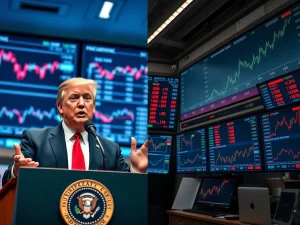
WASHINGTON, D.C. – January 15, 2025 – In a decisive move that immediately reshapes global trade dynamics, President Donald Trump has officially signed an executive order authorizing the imposition of substantial 25% additional tariffs on any country engaging in trade with Iran. This aggressive economic measure represents the latest escalation in the United States’ maximum pressure campaign against Tehran. Consequently, the order sends immediate shockwaves through international markets and diplomatic circles. Furthermore, it establishes unprecedented secondary sanctions with potentially far-reaching consequences for global supply chains and energy markets.
Trump Iran Tariffs: Analyzing the Executive Order’s Immediate Impact
The executive order, signed in the Oval Office this morning, specifically targets nations that continue commercial relationships with Iran despite existing U.S. sanctions. According to Treasury Department officials, the 25% tariff applies to all goods imported from countries identified as trading partners with Iran. Moreover, the order includes a 60-day compliance window for nations to cease Iranian trade or face immediate tariff implementation. This policy directly affects several key U.S. allies and major economies. Therefore, international reactions have been swift and largely critical.
European Union trade representatives immediately expressed concern about the measure’s potential to destabilize global markets. Similarly, Chinese officials called the action “unilateral” and “disruptive” to international trade norms. Meanwhile, Japanese and South Korean trade ministries announced emergency meetings to assess potential impacts on their energy imports. The executive order specifically exempts humanitarian goods, including food and medicine. However, it broadly covers industrial materials, consumer products, and particularly energy resources.
Historical Context and Policy Evolution
This executive order represents the latest development in a long-standing U.S. policy toward Iran. Previously, the Trump administration withdrew from the Joint Comprehensive Plan of Action (JCPOA) in 2018. Subsequently, it reimposed comprehensive sanctions on Iran’s oil exports and financial sector. However, the new tariff approach marks a significant escalation. It moves beyond targeting Iranian entities directly to penalizing third-party nations. This secondary sanction mechanism creates complex compliance challenges for multinational corporations and trading partners.
Global Economic Ramifications and Market Reactions
Financial markets responded immediately to the announcement. Oil prices surged by 8% in early trading as analysts predicted potential supply disruptions. Additionally, shipping and logistics stocks declined significantly. Major container shipping companies face immediate route reevaluations. The Baltic Dry Index, measuring global shipping costs, showed unusual volatility. Consequently, manufacturing sectors in Europe and Asia expressed concern about increased production costs.
The tariff structure specifically impacts several key trading relationships:
- China-Iran Trade: Annual trade volume exceeding $20 billion faces immediate disruption
- India-Iran Energy Imports: Critical oil supplies now subject to 25% U.S. tariffs
- EU-Iran Humanitarian Trade: Limited exceptions create complex compliance requirements
- Turkey-Iran Border Commerce: Regional trade networks face unprecedented pressure
International trade experts predict several immediate consequences. First, global supply chains will experience significant restructuring. Second, alternative energy sourcing will become increasingly urgent for affected nations. Third, international trade agreements may require renegotiation. Finally, global economic growth projections likely need downward revision.
Legal and Diplomatic Considerations
The executive order relies on specific legal authorities. Primarily, it cites the International Emergency Economic Powers Act (IEEPA). Additionally, it references national security provisions in trade legislation. Legal scholars note potential challenges at the World Trade Organization. However, the U.S. has previously invoked national security exceptions in similar cases. Diplomatic channels remain active despite the economic measures. Several nations have requested urgent consultations through established bilateral frameworks.
Energy Market Transformation and Alternative Sourcing
Global energy markets face immediate transformation due to the tariff announcement. Iran currently exports approximately 1.5 million barrels of oil daily. Major importers include China, India, and several European nations. These countries must now find alternative suppliers or absorb substantial cost increases. Consequently, OPEC production decisions gain increased significance. Additionally, renewable energy investments may accelerate as nations seek supply diversification.
The table below illustrates potential energy market shifts:
| Importing Nation | Current Iranian Imports | Potential Alternatives | Estimated Cost Impact |
|---|---|---|---|
| China | 600,000 bpd | Russia, Saudi Arabia | +$4.5 billion annually |
| India | 300,000 bpd | United States, UAE | +$2.2 billion annually |
| South Korea | 150,000 bpd | Qatar, United States | +$1.1 billion annually |
| Turkey | 100,000 bpd | Iraq, Azerbaijan | +$730 million annually |
Energy analysts predict several market adjustments. First, U.S. shale producers may increase production to fill supply gaps. Second, strategic petroleum reserves could see increased utilization. Third, transportation and refining infrastructure may require reconfiguration. Finally, long-term energy security planning becomes increasingly complex for affected nations.
Regional Security Implications and Strategic Calculations
The tariff policy carries significant security implications beyond economic considerations. Regional stability in the Middle East faces new pressures. Iranian government revenues directly affect its regional activities and proxy relationships. Additionally, the measure influences strategic calculations among Gulf Cooperation Council members. Some regional allies privately support increased pressure on Iran. However, they express concern about potential escalation and regional instability.
Military analysts identify several potential security consequences. First, Iranian asymmetric capabilities may see increased development. Second, regional naval security in the Strait of Hormuz requires enhanced monitoring. Third, cyber security threats potentially increase as tensions escalate. Finally, diplomatic initiatives for regional dialogue face additional complications.
Compliance Challenges for Multinational Corporations
Global corporations face immediate compliance challenges. Many maintain complex supply chains spanning multiple jurisdictions. The 25% tariff creates substantial cost pressures. Consequently, corporate legal departments urgently review contractual obligations. Additionally, supply chain managers accelerate diversification efforts. Several major corporations have already announced contingency plans. These include alternative sourcing strategies and inventory adjustments.
Conclusion
President Trump’s executive order imposing 25% tariffs on nations trading with Iran represents a transformative moment in international economic policy. This aggressive use of secondary sanctions establishes new precedents for economic statecraft. The immediate market reactions demonstrate the measure’s significant impact. Furthermore, the long-term consequences for global trade architecture remain substantial. The Trump Iran tariffs policy will undoubtedly shape international relations and economic planning throughout 2025 and beyond. Consequently, nations and corporations worldwide must navigate this new reality with careful strategic consideration.
FAQs
Q1: What specific authority does President Trump use for these tariffs?
The executive order primarily cites the International Emergency Economic Powers Act (IEEPA) and national security provisions within existing trade legislation, declaring the situation a national emergency requiring immediate economic action.
Q2: Which countries are most affected by these new Trump Iran tariffs?
China, India, Turkey, and South Korea face immediate significant impacts due to their substantial trade relationships with Iran, particularly in energy imports that now face 25% additional tariffs when entering the United States.
Q3: Are there any exemptions to the 25% tariff requirement?
Yes, the executive order specifically exempts humanitarian goods including food, medicine, and medical devices, though these exemptions require specific licensing and compliance documentation.
Q4: How does this executive order differ from previous Iran sanctions?
Unlike previous sanctions that directly targeted Iranian entities, this measure imposes secondary sanctions on third-party nations trading with Iran, creating broader compliance requirements for U.S. trading partners worldwide.
Q5: What is the compliance timeline for affected nations?
The order provides a 60-day window for nations to demonstrate they have ceased covered trade with Iran, after which the 25% tariffs automatically apply to all their U.S.-bound exports.