Bitcoin Crash: Stunning 150% Surge for DeepSnitch AI Defies Market Panic as BTC Plunges to $65K
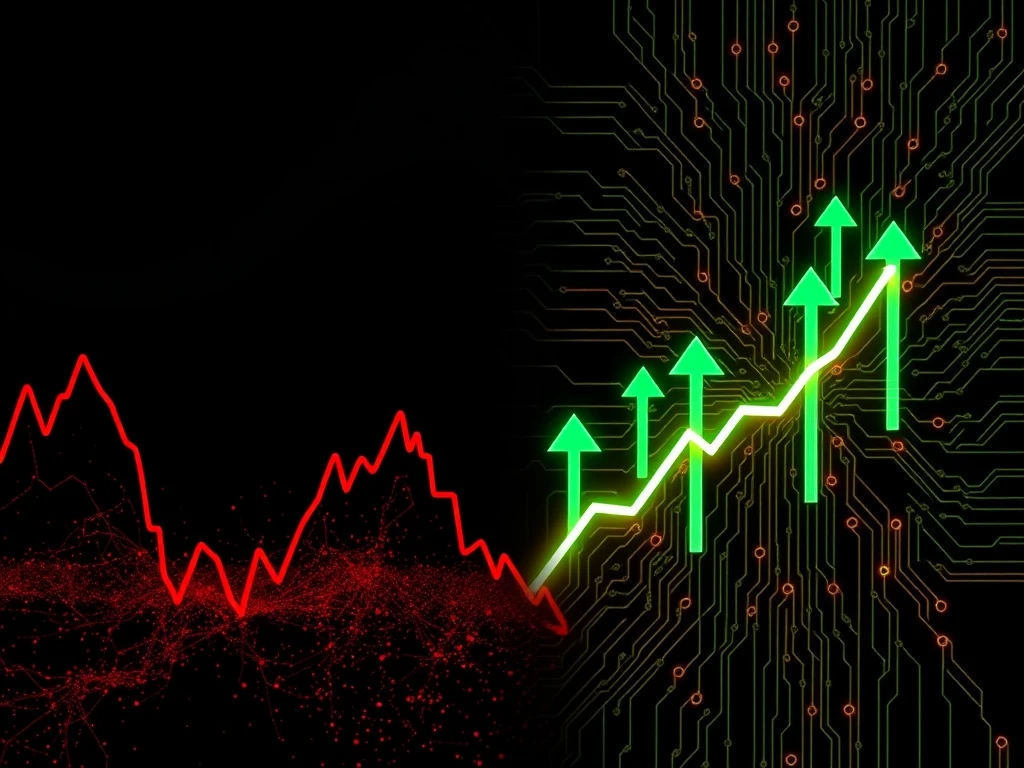
Global cryptocurrency markets experienced a severe contraction on March 15, 2025, with Bitcoin’s price collapsing to approximately $65,000, a move that effectively erased gains accumulated over the preceding 15 months. Consequently, the widely monitored Crypto Fear & Greed Index plummeted to 11%, signaling extreme fear among investors. However, against this bleak backdrop, the AI-driven analytics platform DeepSnitch AI recorded a staggering 150% gain, while privacy-focused cryptocurrencies Zcash (ZEC) and Monero (XMR) demonstrated notable resilience, positioning them for potential recovery.
Analyzing the Bitcoin Crash and Market Structure
The rapid descent in Bitcoin’s value represents one of the most significant corrections since the 2022 bear market. Market analysts primarily attribute the sell-off to a confluence of macroeconomic pressures and sector-specific headwinds. Firstly, renewed concerns over aggressive monetary policy from major central banks have increased selling pressure on risk assets globally. Secondly, substantial liquidations in the derivatives market exacerbated the downward momentum, triggering a cascade of stop-loss orders.
Data from major exchanges shows that over $2.5 billion in long positions were liquidated within a 24-hour period. This event pushed the Crypto Fear & Greed Index—a composite metric analyzing volatility, market momentum, social media sentiment, surveys, and dominance—into “Extreme Fear” territory at 11%. Historically, readings below 20 have often preceded local market bottoms, though they do not guarantee an immediate reversal.
- Price Action: Bitcoin fell from a local high near $82,000 to a low of $65,000.
- Timeframe: The 15-month gain erosion references the period from late 2023.
- Market Cap Impact: Total cryptocurrency market capitalization declined by over 18%.
The Role of Institutional and Retail Sentiment
Institutional flows, as tracked by fund products, turned negative for the first time in nine weeks. Meanwhile, on-chain data reveals a significant increase in coins moving from long-term holder wallets to exchanges, typically a sign of distribution or panic selling. This shift in holder behavior contributed substantially to the available sell-side liquidity.
DeepSnitch AI’s Remarkable Counter-Trend Performance
In stark contrast to the broader market downturn, the native token of the DeepSnitch AI platform surged by approximately 150%. DeepSnitch AI is a blockchain-based analytics suite that uses artificial intelligence to monitor smart contract vulnerabilities, detect fraudulent transactions, and audit decentralized finance (DeFi) protocols. Its performance suggests a flight to utility and fundamental value during periods of market stress.
Experts point to several factors for this divergence. The platform recently secured a major partnership with a traditional financial auditing firm, validating its real-world use case. Furthermore, its revenue model, which is tied to usage fees paid in its native token, has shown consistent growth independent of speculative crypto trading volumes. The table below highlights key metrics contrasting Bitcoin and DeepSnitch AI during the crash period.
| Asset | Price Change (24h) | Key Driver | Market Sentiment |
|---|---|---|---|
| Bitcoin (BTC) | -20% | Macro fears, derivatives liquidations | Extreme Fear (11%) |
| DeepSnitch AI (DSAI) | +150% | Partnership news, utility demand | Greed (Specific to asset) |
Privacy Coins Zcash and Monero Position for Recovery
Alongside DeepSnitch AI, privacy-enhancing cryptocurrencies Zcash and Monero displayed significant resilience, declining less than major non-privacy altcoins. Analysts observe that these assets often exhibit lower correlation with Bitcoin during sharp downturns. Their underlying technology, which focuses on transactional privacy, attracts a dedicated user base with different utility demands than general-purpose cryptocurrencies.
Zcash, which uses zk-SNARKs for shielded transactions, and Monero, which relies on ring signatures and stealth addresses, both serve specific niches. Regulatory discussions around privacy features have created uncertainty, but their operational networks continued functioning without disruption during the volatility. This technical stability, combined with steady on-chain activity, provided a foundation for their relative strength.
Historical Precedent and On-Chain Metrics
Reviewing previous market cycles, privacy coins have frequently led recovery rallies after capitulation events. Their recovery is often fueled by increased demand for asset discretion once market stability returns. Current on-chain data for both ZEC and XMR shows an increase in active addresses and a decrease in exchange balances, suggesting accumulation behavior despite the broader market panic.
Market Psychology and the Fear & Greed Index
The Crypto Fear & Greed Index hitting 11% is a critical psychological marker. This index aggregates data from multiple sources to quantify market emotion. A reading this low indicates that selling may be exhausting itself, as the majority of weak-handed investors have likely exited their positions. However, veteran traders caution that markets can remain in extreme fear for extended periods, and a low index is a signal, not a timing tool.
Previous instances where the index reached similar levels, such as in June 2022 and March 2020, were followed by substantial rallies, but only after a period of consolidation or further downside. Therefore, market participants are now watching for a stabilization in Bitcoin’s price above the $65,000 level and a reduction in exchange inflows as signs that the selling pressure is abating.
Conclusion
The recent Bitcoin crash to $65,000 and the plunge in the Crypto Fear & Greed Index to 11% underscore the volatile and interconnected nature of digital asset markets. This event has forcefully reset leverage and sentiment across the sector. Nevertheless, the explosive 150% gain for DeepSnitch AI highlights a growing market sophistication where projects with demonstrable utility and revenue can decouple from broader trends. Simultaneously, the resilience of Zcash and Monero reinforces the enduring demand for specialized blockchain functionalities like privacy. Moving forward, the market’s recovery trajectory will likely hinge on Bitcoin’s ability to establish a new support base and a broader rotation into assets with fundamental use cases beyond pure speculation.
FAQs
Q1: What caused the Bitcoin price to crash to $65,000?
The crash resulted from a combination of macroeconomic concerns affecting all risk assets, massive liquidations in crypto derivatives markets, and a shift from long-term Bitcoin holders to selling, which increased supply on exchanges.
Q2: What does a Crypto Fear & Greed Index of 11% mean?
A reading of 11% falls into the “Extreme Fear” category. It suggests that market sentiment is overwhelmingly negative, which has historically sometimes—but not always—preceded a potential market bottom or reversal point.
Q3: Why did DeepSnitch AI go up 150% during a market crash?
DeepSnitch AI’s surge is attributed to its fundamental utility as a security audit platform. Positive news of a major partnership and its revenue model, which is tied to actual platform usage, drove demand independent of the speculative crypto market downturn.
Q4: Are Zcash and Monero good investments after this crash?
As with any cryptocurrency, they carry high risk. Their relative resilience during the crash is notable and stems from their dedicated use cases for transactional privacy. However, their future performance depends on adoption, regulatory developments, and overall market recovery.
Q5: Has the crypto market hit bottom with the Fear Index at 11%?
While an Extreme Fear reading can indicate a capitulation event, it does not guarantee an immediate bottom. Markets require time to stabilize. Key signals for a bottom include reduced selling volume, Bitcoin holding key support levels, and the Fear Index beginning a sustained rise.