Coinbase Premium Gap Plummets to Yearly Low—A Critical Signal of Institutional Exodus?
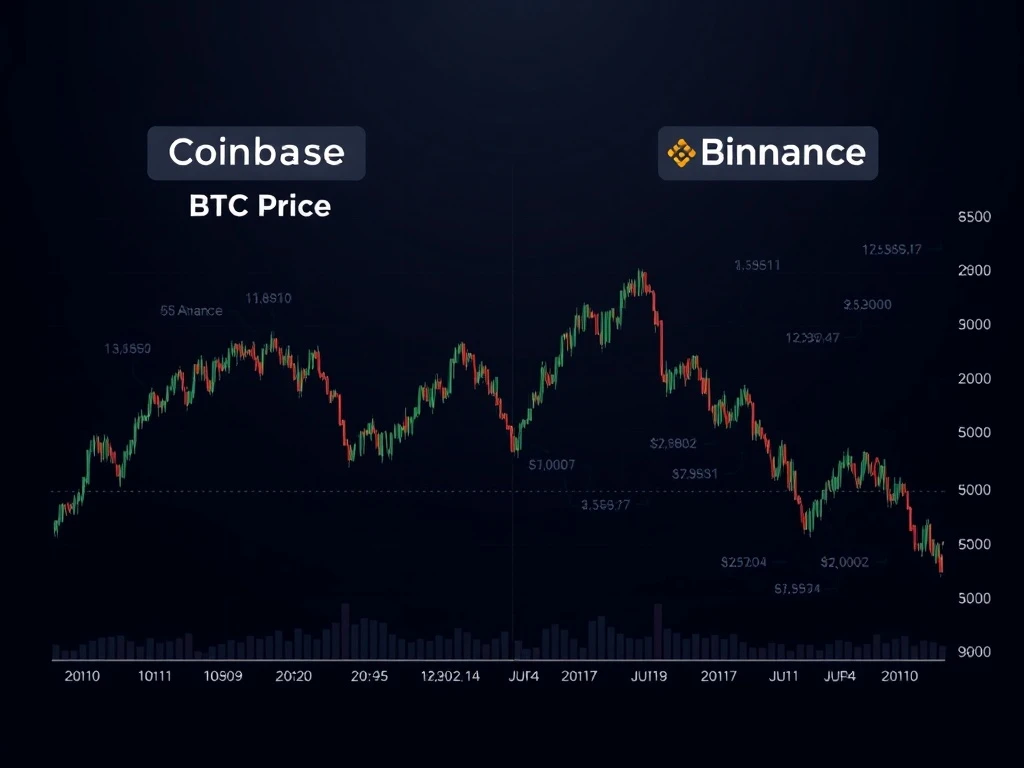
On May 22, 2025, a critical cryptocurrency market indicator flashed a significant warning signal. The Coinbase Premium Gap, a closely watched metric by institutional traders, plunged to its lowest level in over a year. This development suggests Bitcoin is trading notably cheaper on the U.S.-based Coinbase exchange compared to global giant Binance, potentially revealing a stark shift in institutional sentiment and capital flows. Market analysts are now scrutinizing whether this signals a broader institutional exodus, coinciding with reported outflows from U.S. spot Bitcoin ETFs.
Understanding the Coinbase Premium Gap
The Coinbase Premium Gap measures the price difference for Bitcoin between Coinbase Pro and Binance. Historically, a positive premium—where Bitcoin trades higher on Coinbase—has indicated strong buying pressure from U.S. institutional investors who predominantly use the regulated platform. Conversely, a negative or narrowing gap often suggests weaker U.S. institutional demand or increased selling pressure on Coinbase. The metric serves as a real-time thermometer for institutional sentiment in the cryptocurrency market.
Data from CryptoQuant and Glassnode shows the gap turned negative in late May 2025, reaching levels not seen since the first quarter of 2024. This persistent negative trend over several days strengthens the signal’s reliability. Analysts emphasize that while retail trading can cause short-term fluctuations, sustained movements in the premium gap typically reflect the actions of larger, institutional-sized orders.
Institutional Selling and ETF Outflows: Connecting the Dots
The timing of the premium gap contraction aligns with publicly available data on U.S. spot Bitcoin Exchange-Traded Funds (ETFs). According to Farside Investors, several major ETFs, including those from Grayscale (GBTC), BlackRock (IBIT), and Fidelity (FBTC), experienced net outflows throughout the same period. This correlation provides a plausible explanation for the shrinking premium.
When ETF issuers need to meet redemption requests, they typically sell the underlying Bitcoin held in custody. Much of this institutional Bitcoin is held through Coinbase Custody. Consequently, selling pressure to fulfill ETF redemptions manifests first on the Coinbase order book, pushing its price below that of other global exchanges like Binance. This creates the observed negative premium gap. The table below illustrates the potential flow of capital:
| Action | Effect on Coinbase Order Book | Result on Premium Gap |
|---|---|---|
| ETF Net Inflows | Buy pressure increases | Premium expands (positive) |
| ETF Net Outflows | Sell pressure increases | Premium contracts (negative) |
Other factors may also contribute. These include:
- Regulatory uncertainty: Shifting U.S. regulatory stances can prompt institutional caution.
- Macroeconomic pressures: Rising interest rates or a strong dollar can reduce risk appetite.
- Profit-taking: Institutions may be locking in gains after a prior market rally.
Historical Context and Market Impact
Examining historical precedent adds depth to the current analysis. Notably, a deeply negative Coinbase Premium Gap preceded the market downturn in mid-2022. Conversely, a strongly positive gap often heralded major rallies, such as the one leading into the 2024 Bitcoin halving. This pattern establishes the indicator’s value as a leading, rather than lagging, signal for market sentiment.
The immediate market impact has been increased volatility and renewed stress across several Bitcoin market indicators. Funding rates in perpetual swap markets have cooled, and open interest has declined, suggesting a reduction in leveraged speculative positions. Furthermore, the spot price of Bitcoin has struggled to maintain key support levels, often reacting to the daily ETF flow data. This creates a feedback loop where negative flows pressure price, which in turn can trigger more outflows from momentum-sensitive investors.
Expert Analysis on the Signal’s Significance
Leading market analysts offer nuanced interpretations. “A sustained negative premium gap is a clear warning sign,” notes a researcher from CryptoQuant, referencing their on-chain data. “It doesn’t necessarily predict an immediate crash, but it does show that a major source of buy-side demand—U.S. institutions—is currently absent or selling.”
Other experts caution against overreaction. An analyst from Glassnode points to stablecoin supply ratios and miner behavior, suggesting underlying network health remains robust despite the institutional headwind. The key, they argue, is duration. A brief, week-long negative gap may be noise, but a multi-week trend carries substantially more weight for forecasting medium-term price direction.
Broader Implications for the Cryptocurrency Ecosystem
The phenomenon extends beyond Bitcoin’s price chart. A decline in U.S. institutional activity can have cascading effects. Firstly, it may shift market leadership to other regions, such as Asia or Europe, where regulatory environments differ. Secondly, it impacts liquidity, potentially widening bid-ask spreads and increasing transaction costs for all market participants. Finally, it tests the resilience of the post-ETF market structure, answering whether demand is broad-based or overly reliant on a single investor class.
For retail investors, understanding this dynamic is crucial. It highlights the importance of monitoring multiple data points—not just price. The Coinbase Premium Gap, combined with ETF flow data, on-chain metrics, and macroeconomic trends, provides a more complete picture than price action alone. This multi-faceted analysis is essential for navigating an increasingly institutionalized market.
Conclusion
The Coinbase premium gap hitting a yearly low presents a significant data point for cryptocurrency market participants. While not a standalone prediction tool, its convergence with Bitcoin ETF outflows builds a compelling case for current institutional selling pressure. This development underscores the mature, data-driven nature of modern digital asset markets, where on-chain and exchange metrics offer real-time insights into capital movement. Monitoring whether this negative premium gap persists or reverses will be critical for assessing the next phase of Bitcoin’s market cycle and the enduring role of institutional investors following the landmark ETF approvals.
FAQs
Q1: What exactly is the Coinbase Premium Gap?
The Coinbase Premium Gap is the difference between the price of Bitcoin on the U.S.-based Coinbase exchange and the price on the global Binance exchange. A positive gap means Bitcoin is more expensive on Coinbase, often indicating U.S. institutional buying.
Q2: Why does a negative gap suggest institutional selling?
U.S. institutions like hedge funds and ETFs primarily use regulated platforms like Coinbase. Sustained selling from these large entities creates excess sell pressure on Coinbase’s order book, pushing its price below Binance’s and creating a negative gap.
Q3: How is this related to Bitcoin ETF flows?
When investors redeem shares from a spot Bitcoin ETF, the issuer must sell the underlying Bitcoin. Since much of this Bitcoin is custodied with Coinbase, the selling occurs there, contributing directly to a negative premium gap during periods of net ETF outflows.
Q4: Has this happened before, and what was the outcome?
Yes. Historically, prolonged periods of a negative Coinbase Premium Gap have correlated with bearish or corrective phases in the Bitcoin market, while strong positive gaps have often preceded major rallies.
Q5: Should retail investors be worried about this signal?
It is a cautionary indicator, not a cause for panic. Retail investors should view it as one piece of a larger puzzle. It suggests headwinds from a key buyer group (institutions) but does not account for other potential sources of demand or broader macroeconomic factors.