Crypto Market Plunges into Devastating Fear as Bitcoin and Ethereum Crash, DeFi TVL Collapses
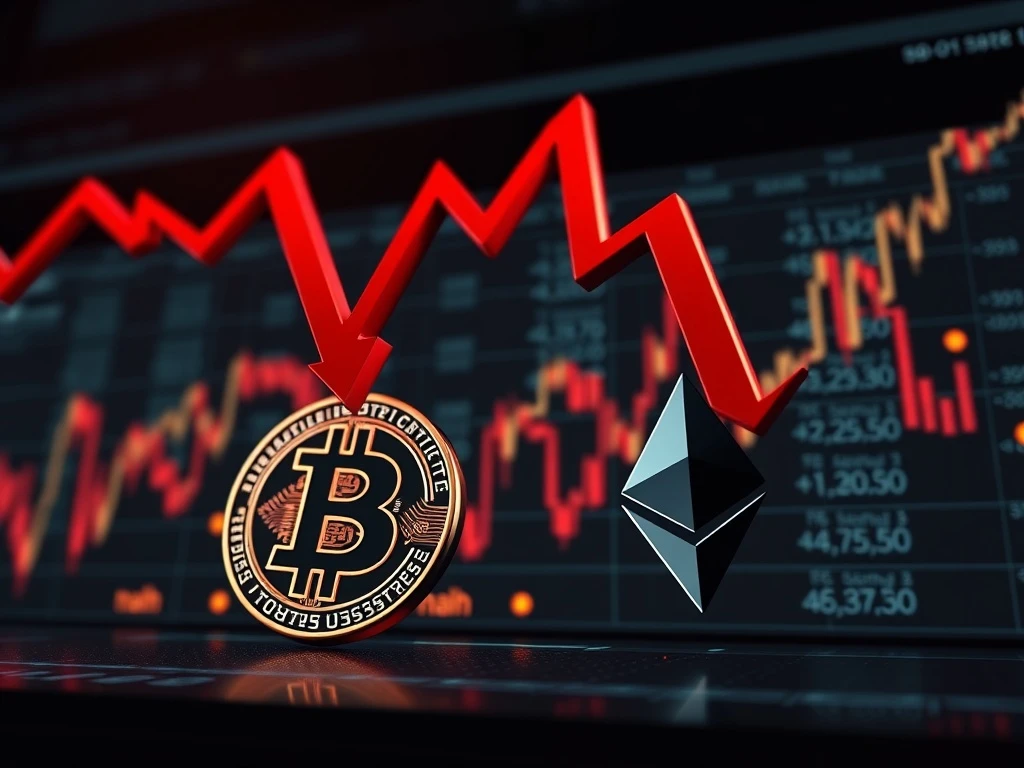
Global cryptocurrency markets plunged into extreme fear territory this week as major digital assets experienced significant declines. Bitcoin ($BTC) dropped below critical support levels while Ethereum ($ETH) followed with substantial losses. Meanwhile, the total value locked (TVL) in decentralized finance (DeFi) protocols contracted sharply. Interestingly, non-fungible token (NFT) markets showed unexpected resilience during this downturn. Several key industry developments emerged simultaneously, creating a complex landscape for investors and analysts.
Crypto Market Enters Extreme Fear Territory
The Crypto Fear & Greed Index registered 12 out of 100 this morning, indicating extreme fear among market participants. This psychological metric aggregates multiple data points including volatility, market momentum, social media sentiment, and trading volume. Historically, readings below 20 have signaled potential buying opportunities for long-term investors. However, current market conditions suggest deeper structural concerns beyond typical volatility patterns.
Market analysts point to several contributing factors for this sentiment shift. First, regulatory uncertainty continues to pressure institutional adoption. Second, macroeconomic conditions influence risk asset performance globally. Third, specific blockchain network developments create technical concerns. The combined effect creates what experts call a “perfect storm” for cryptocurrency valuations.
Bitcoin and Ethereum Experience Sharp Declines
Bitcoin, the largest cryptocurrency by market capitalization, dropped 18% over the past seven days. The decline pushed BTC below the psychologically important $40,000 level for the first time since November 2024. Trading volume surged 45% during the sell-off, indicating strong conviction among sellers. Technical analysts note that Bitcoin broke through multiple support levels without significant buying pressure emerging.
Ethereum followed a similar trajectory with a 22% weekly decline. The ETH/USD pair fell below $2,800, erasing gains from the previous month. Ethereum’s decline appears particularly concerning given its central role in decentralized applications and smart contracts. Network activity metrics show reduced transaction volumes across major DeFi protocols built on Ethereum.
Technical Analysis Perspective
Technical indicators across multiple timeframes suggest continued bearish momentum. The 50-day moving average crossed below the 200-day moving average on Bitcoin’s daily chart. This “death cross” pattern historically precedes extended downtrends. Relative Strength Index (RSI) readings for both BTC and ETH remain in oversold territory below 30. However, oversold conditions can persist during strong bear markets.
DeFi Total Value Locked Contracts Significantly
The total value locked across all DeFi protocols declined 28% from its recent peak. This metric represents the aggregate value of cryptocurrency assets deposited in decentralized finance applications. Major lending platforms, decentralized exchanges, and yield farming protocols all experienced substantial withdrawals. The contraction suggests reduced confidence in DeFi yield generation during volatile market conditions.
Several specific sectors within DeFi showed particular weakness:
- Lending Protocols: Compound and Aave experienced 35% TVL reductions
- Decentralized Exchanges: Uniswap and SushiSwap volumes dropped 40% weekly
- Yield Aggregators: Yearn Finance and Convex saw significant capital outflows
The TVL decline correlates with reduced yields across most DeFi platforms. Annual percentage yields (APYs) for stablecoin farming dropped from double digits to single digits. This yield compression reduces incentives for capital allocation to DeFi protocols.
NFT Markets Show Unexpected Resilience
Contrary to broader market trends, non-fungible token markets demonstrated surprising strength. Major NFT collections including Bored Ape Yacht Club and CryptoPunks maintained floor prices within 5% of recent highs. Trading volume increased 15% week-over-week despite cryptocurrency price declines. This divergence suggests NFT markets may be decoupling from broader cryptocurrency sentiment.
Several factors potentially explain this resilience. First, NFT collectors often represent a different demographic than cryptocurrency traders. Second, high-profile celebrity and brand partnerships continue generating mainstream interest. Third, utility-focused NFT projects with real-world applications maintain stronger fundamentals. However, analysts caution that prolonged cryptocurrency weakness could eventually pressure NFT valuations.
| Asset/Collection | Weekly Change | Trading Volume Trend |
|---|---|---|
| Bitcoin (BTC) | -18% | +45% |
| Ethereum (ETH) | -22% | +38% |
| Bored Ape Yacht Club | -3% | +22% |
| CryptoPunks | -2% | +18% |
| DeFi Pulse Index | -25% | +52% |
Key Industry Developments Emerge Amid Volatility
Several significant developments occurred alongside market movements. First, major financial institutions announced expanded cryptocurrency custody services. Second, regulatory clarity improved in several jurisdictions despite ongoing uncertainty elsewhere. Third, blockchain network upgrades progressed according to development roadmaps. These developments suggest long-term industry growth continues despite short-term price volatility.
Institutional adoption metrics show mixed signals. On one hand, cryptocurrency investment products experienced net outflows of $420 million last week. On the other hand, corporate treasury allocations to Bitcoin increased among technology companies. This divergence reflects differing time horizons and risk tolerances between investor categories.
Regulatory Landscape Evolution
Regulatory developments continue shaping market sentiment. The European Union’s Markets in Crypto-Assets (MiCA) framework implementation progresses smoothly. Meanwhile, United States regulatory agencies maintain cautious approaches. This regulatory asymmetry creates geographic variations in market development and institutional participation.
Historical Context and Market Cycles
Current market conditions mirror previous cryptocurrency cycles in several aspects. The 2018 bear market followed similar patterns of declining prices and reduced DeFi activity. However, important differences exist in market structure and participant composition. Institutional participation now represents approximately 35% of Bitcoin ownership compared to less than 5% in 2018.
Market cycle analysis suggests several potential scenarios. First, prices could stabilize at current levels before gradual recovery. Second, further declines might test lower support levels. Third, extended consolidation could precede the next bull market phase. Historical data indicates cryptocurrency markets typically experience 75-85% drawdowns during bear markets followed by exponential recoveries.
Conclusion
The cryptocurrency market currently experiences extreme fear as major assets decline significantly. Bitcoin and Ethereum price drops correlate with DeFi TVL contractions and shifting market sentiment. Surprisingly, NFT markets demonstrate relative resilience despite broader weakness. Industry developments continue progressing regardless of short-term price movements. Market participants should monitor technical levels, regulatory developments, and fundamental metrics. Historical patterns suggest volatility represents normal market behavior rather than structural failure. The crypto market fear index provides psychological context but shouldn’t dictate long-term investment decisions alone.
FAQs
Q1: What causes extreme fear in cryptocurrency markets?
Extreme fear typically results from rapid price declines, negative news developments, regulatory uncertainty, and technical breakdowns. The Crypto Fear & Greed Index quantifies this sentiment using multiple data points.
Q2: How does DeFi TVL relate to cryptocurrency prices?
DeFi total value locked often correlates with cryptocurrency prices because most collateral exists as crypto assets. Price declines reduce collateral values, potentially triggering liquidations and protocol withdrawals.
Q3: Why are NFT markets performing differently than cryptocurrencies?
NFT markets may decouple because they represent different asset classes with distinct investor bases, utility functions, and valuation methodologies beyond pure financial speculation.
Q4: What historical patterns exist during crypto bear markets?
Historical patterns include 75-85% peak-to-trough drawdowns, reduced trading volumes, increased fear sentiment, and eventual recovery periods lasting 12-24 months before new bull markets.
Q5: How should investors respond to extreme market fear?
Investors should maintain perspective, review portfolio allocations, avoid emotional decisions, focus on fundamentals, and consider dollar-cost averaging during periods of extreme fear when valuations may be attractive long-term.