Trump Denies Knowledge of Shocking $500M Abu Dhabi Stake in World Liberty Financial
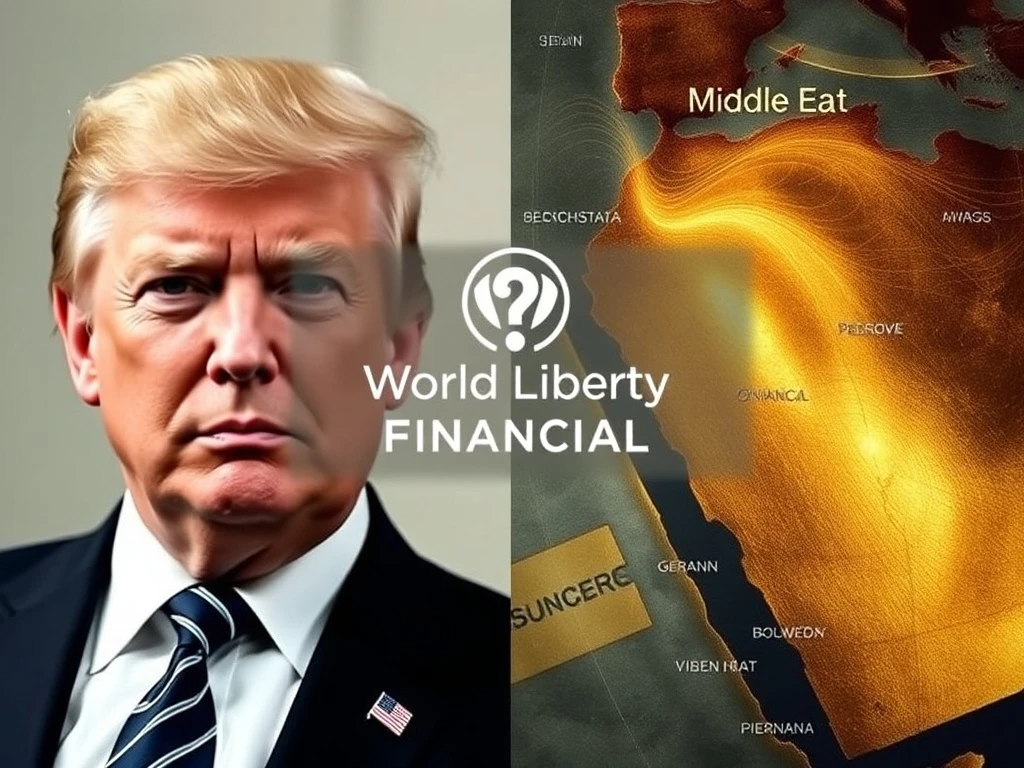
WASHINGTON, D.C. – March 2025 – Former President Donald Trump has issued a firm denial regarding his awareness of a massive, reported $500 million investment from Abu Dhabi into the financial entity World Liberty Financial, a denial that arrives amidst intensifying scrutiny over the deal’s timing, origins, and potential governance implications for his family’s business empire.
Trump Denies Knowledge of Abu Dhabi’s World Liberty Financial Stake
Through a formal statement from his office, Donald Trump categorically denied any personal knowledge of the transaction. Consequently, this statement directly contradicts emerging reports from major financial publications. Specifically, these reports allege that a senior member of Abu Dhabi’s royal family orchestrated the purchase of a major stake. Furthermore, the deal’s structure reportedly involves complex offshore vehicles. Therefore, this complexity raises immediate questions about transparency and ultimate beneficial ownership.
Legal experts specializing in political ethics and financial law note that such denials are standard first responses. However, they emphasize that the denial itself triggers a chain of necessary verification. For instance, investigators will now scrutinize communication records, banking documents, and intermediary testimony. Ultimately, the burden of proof often shifts in high-profile political finance cases.
Scrutiny Intensifies Over Timing and Governance Concerns
The reported investment’s timing presents a critical focal point for analysts. Notably, the deal’s negotiation phase allegedly overlapped with a period of significant U.S. foreign policy activity in the Gulf region. This coincidence, while not evidence of wrongdoing, inevitably attracts regulatory and journalistic examination. Moreover, governance concerns are paramount. World Liberty Financial, while not directly branded a Trump Organization entity, has historical financial ties to the family’s broader network.
A sudden, substantial foreign capital injection into such a linked entity could influence operational control or strategic direction. Importantly, this influence might indirectly benefit associated parties. The table below outlines the core areas of concern identified by governance analysts:
| Area of Scrutiny | Key Questions Raised | Potential Implications |
|---|---|---|
| Deal Timing | Did investment talks coincide with specific policy decisions or diplomatic engagements? | Perceptions of quid pro quo, even if unproven, can damage public trust. |
| Source of Funds | Is the investment truly from private wealth, or does it trace back to a sovereign wealth fund? | Sovereign investments carry different geopolitical and regulatory weight. |
| Corporate Governance | Does the $500M stake confer board control or veto power over major decisions? | Could alter the business trajectory of a Trump-linked enterprise. |
| Disclosure Compliance | Were all legal requirements for reporting foreign investments met by all involved parties? | Failure to disclose can result in severe legal and financial penalties. |
Expert Analysis on Political Finance and Foreign Investment
Dr. Evelyn Reed, a professor of political law at Georgetown University, provides critical context. “The intersection of high-level politics, family businesses, and foreign capital is a perennial zone of risk,” she states. “A denial of knowledge is a procedural starting point. The essential next steps involve forensic accounting and a review of the Foreign Agents Registration Act (FARA) and Emoluments Clause precedents, even for former presidents. The central issue is whether this investment creates a potential conflict of interest or an obligation that could influence future actions or statements.”
Similarly, financial investigator Mark Chen highlights the operational challenges. “Tracing $500 million is not simple,” Chen explains. “Funds of this magnitude move through layered LLCs, often across multiple jurisdictions like Luxembourg or the Cayman Islands. The denial shifts attention to intermediaries: the lawyers, bankers, and fixers who structured the deal. Their records and testimonies will be crucial.”
Background and Context of World Liberty Financial
Understanding World Liberty Financial’s profile is essential to grasping the story’s significance. The company operates as a diversified financial services group with interests in:
- Commercial Real Estate Financing: A sector where the Trump Organization has deep, longstanding involvement.
- Asset Management: Handling portfolios for high-net-worth individuals and institutional clients.
- Strategic Advisory: Offering consultancy on mergers, acquisitions, and market entry, particularly between North American and Middle Eastern markets.
While not a household name, its network within niche financial circles is well-established. Consequently, a $500 million investment from Abu Dhabi represents a transformative capital event. Such an event would typically require extensive due diligence by the investor regarding the company’s leadership, existing obligations, and future viability.
Potential Impacts and Broader Implications
The ramifications of this developing story extend beyond the immediate parties. First, it tests the robustness of U.S. political financial disclosure systems. Second, it may influence how foreign governments and wealth funds approach investments in entities with links to prominent U.S. political figures. Finally, it serves as a case study in modern media scrutiny, where financial journalism, legal analysis, and political reporting converge at high speed.
Historically, similar cases have led to prolonged congressional inquiries, Securities and Exchange Commission (SEC) investigations, and intense public debate over ethics laws. The velocity of information in 2025, however, compresses these timelines dramatically. Public reaction and market responses can now materialize within hours, not months.
Conclusion
Donald Trump’s denial of knowledge concerning the reported $500 million Abu Dhabi stake in World Liberty Financial marks the beginning, not the end, of this complex narrative. The statement invites more questions about deal mechanics, intermediary roles, and compliance frameworks. As scrutiny grows over the investment’s timing and governance concerns, the story underscores the enduring challenges of managing the interface between global finance, family business empires, and political life. The coming weeks will likely see detailed forensic reporting, expert legal opinions, and potentially official inquiries that will determine the substance behind the headlines.
FAQs
Q1: What exactly is Donald Trump denying?
Donald Trump denies having any personal awareness or prior knowledge of a specific financial transaction wherein a member of Abu Dhabi’s royal family reportedly invested $500 million to acquire a major stake in World Liberty Financial.
Q2: Why is the timing of this investment considered significant?
Analysts are scrutinizing the timing because the alleged negotiation period may have overlapped with U.S. diplomatic or policy activities involving the Gulf region. This creates a context that demands examination to rule out any improper connections between private financial deals and public policy.
Q3: What is World Liberty Financial, and how is it connected to Trump?
World Liberty Financial is a financial services group with operations in real estate financing and asset management. While not a direct Trump Organization company, it exists within a broader network of financial entities that have had past business dealings with Trump-associated ventures, making its financial health and ownership relevant.
Q4: What are the main legal or ethical concerns raised by such an investment?
The primary concerns revolve around potential conflicts of interest, violations of disclosure laws for foreign investments, and whether the investment could create an obligation that might influence the political actions or statements of the individual linked to the business network.
Q5: What typically happens next after a public figure issues such a denial?
Following a denial, investigative journalists and, potentially, regulatory bodies will seek documentation to verify the claim. This includes examining banking records, communication logs, legal contracts, and interviewing intermediaries involved in structuring the deal to establish a factual timeline and chain of knowledge.