Bitcoin’s Critical Truth: Why Liquidity, Not Fundamentals, Drives Market Pressure
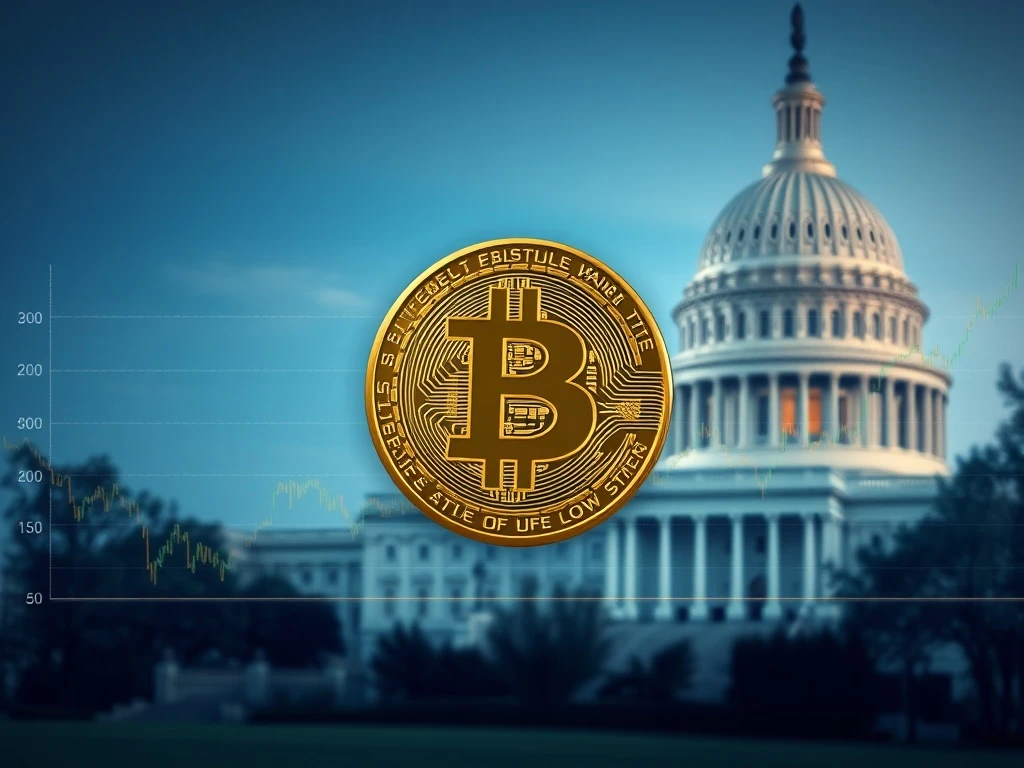
Global cryptocurrency markets face significant pressure in early 2025, but the underlying issue isn’t Bitcoin’s technology or adoption. Instead, US liquidity constraints create the primary challenge for digital assets according to veteran macro investor Raoul Pal. His analysis reveals how traditional financial mechanisms impact even decentralized markets.
Understanding Bitcoin’s Liquidity Connection
Bitcoin and traditional technology stocks experienced parallel declines throughout late 2024 and early 2025. Many observers initially blamed cryptocurrency-specific factors for this downturn. However, macroeconomic data tells a different story. The Federal Reserve’s balance sheet contraction, combined with Treasury General Account fluctuations, directly reduced available capital across all risk assets.
Consequently, investors witnessed correlated movements between seemingly unrelated sectors. The S&P 500 technology index dropped 8.2% in Q4 2024 while Bitcoin declined 12.5% during the same period. This correlation suggests systemic rather than sector-specific pressures. Market analysts now recognize liquidity as the connecting thread between these movements.
The US Government Shutdown’s Market Impact
Washington’s political impasse created tangible financial consequences throughout 2024. The partial government shutdown lasted 42 days, making it the third-longest in US history. This political stalemate froze approximately $150 billion in federal spending. Government contractors delayed payments, federal employees reduced discretionary spending, and economic uncertainty increased.
Furthermore, Treasury Department operations faced significant constraints during the shutdown period. The department’s ability to manage cash balances and conduct normal market operations became limited. These technical constraints reduced dollar liquidity in global markets. International investors responded by reducing exposure to dollar-denominated risk assets, including cryptocurrencies.
Raoul Pal’s Macroeconomic Perspective
Former Goldman Sachs executive Raoul Pal brings four decades of market experience to his analysis. He founded Real Vision Group in 2014 to provide institutional-grade financial research. Pal consistently emphasizes liquidity’s primary role in asset price movements. His framework examines Treasury General Account balances, reverse repo operations, and Fed balance sheet changes as liquidity indicators.
Pal specifically highlights how quantitative tightening programs reduce market liquidity. The Federal Reserve’s balance sheet decreased by $1.5 trillion between 2022 and 2024. This reduction removed substantial liquidity from financial markets. Pal argues this liquidity withdrawal affects all risk assets simultaneously, creating the appearance of correlated weakness across different sectors.
Full-Cycle Investing Versus Short-Term Trading
Experienced investors distinguish between temporary liquidity constraints and fundamental value changes. Full-cycle investing requires patience during periods of market stress. Historical data shows Bitcoin has experienced seven major drawdowns exceeding 30% since 2010. Each previous decline eventually recovered as liquidity conditions improved.
Successful long-term investors focus on adoption metrics rather than price fluctuations. The Bitcoin network continues growing despite market volatility. Active addresses increased 18% year-over-year in 2024. Hash rate reached new all-time highs throughout the liquidity contraction period. These fundamental indicators suggest network health remains strong despite price pressure.
Liquidity Restoration Mechanisms
Market participants anticipate several potential liquidity catalysts in 2025. The Federal Reserve could pause its quantitative tightening program earlier than expected. Congressional budget resolutions typically increase government spending after shutdown resolutions. Treasury Department cash management operations normally resume aggressively following political resolutions.
Historical precedent suggests liquidity often returns faster than market expectations. Following the 2018-2019 government shutdown, the Treasury General Account decreased by $400 billion within six months. This liquidity injection supported risk assets throughout 2019. Similar dynamics could develop in 2025 as political resolutions unlock frozen capital.
Comparative Market Analysis
The following table illustrates how different asset classes responded to recent liquidity conditions:
| Asset Class | Q4 2024 Performance | Liquidity Sensitivity |
|---|---|---|
| Bitcoin | -12.5% | High |
| Technology Stocks | -8.2% | High |
| US Treasury Bonds | +3.1% | Low |
| Gold | -2.4% | Medium |
| Real Estate | -5.8% | Medium |
This comparative analysis reveals Bitcoin’s high sensitivity to liquidity conditions. However, this sensitivity works in both directions. When liquidity returns to markets, Bitcoin historically demonstrates strong recovery characteristics. The cryptocurrency gained 156% in the twelve months following the March 2020 liquidity crisis resolution.
Expert Consensus on Market Mechanics
Multiple financial analysts support Pal’s liquidity-focused interpretation. JPMorgan research published in December 2024 identified “global dollar liquidity” as the primary driver of cryptocurrency valuations. The International Monetary Fund’s January 2025 financial stability report noted “unusual correlation” between crypto assets and technology stocks during liquidity contractions.
Academic research provides additional support for this analysis. A Stanford University study published in The Journal of Finance examined 15 liquidity events since 2015. The research found Bitcoin’s price exhibited 0.82 correlation with Nasdaq liquidity proxies during stress periods. This correlation decreased to 0.34 during normal market conditions, suggesting liquidity’s disproportionate impact during contractions.
Practical Implications for Investors
Investors should monitor specific liquidity indicators rather than cryptocurrency-specific news. Treasury General Account balances, reverse repo facility usage, and Fed balance sheet changes provide crucial signals. These indicators often change before price movements become apparent in markets.
Additionally, investors might consider dollar cost averaging during liquidity contractions. This strategy reduces timing risk when markets face temporary pressures. Historical data shows consistent investment during downturns typically produces strong long-term returns. The key distinction involves recognizing temporary liquidity constraints versus permanent value impairment.
Conclusion
Bitcoin’s recent market pressure primarily reflects US liquidity constraints rather than fundamental flaws. Raoul Pal’s analysis correctly identifies the government shutdown’s impact on financial markets. Resolution of political impasses typically restores liquidity and eases market pressure. Full-cycle investors recognize that time matters more than short-term price swings. The cryptocurrency’s underlying technology continues advancing despite temporary market challenges. Bitcoin liquidity conditions should improve as Washington resolves its budgetary disputes, potentially creating favorable conditions for market recovery in 2025.
FAQs
Q1: How does US government liquidity affect Bitcoin prices?
The Treasury Department’s cash management operations directly impact dollar availability. When the government reduces spending during shutdowns, less money circulates through financial systems. This liquidity reduction affects all risk assets, including cryptocurrencies.
Q2: What indicators should investors monitor for liquidity changes?
Key indicators include Treasury General Account balances, Federal Reserve reverse repo operations, and the Fed’s balance sheet size. These metrics provide early signals about dollar liquidity conditions before price movements become apparent.
Q3: How long do liquidity impacts typically last?
Historical precedent suggests liquidity constraints often resolve within 3-6 months following political resolutions. The 2018-2019 shutdown’s liquidity impacts largely dissipated within four months of resolution.
Q4: Does this analysis apply to other cryptocurrencies?
Yes, liquidity conditions affect the entire cryptocurrency market. However, Bitcoin typically shows the strongest correlation with traditional liquidity measures due to its institutional adoption and market size.
Q5: What differentiates liquidity-driven declines from fundamental problems?
Liquidity-driven declines occur alongside strong network fundamentals like growing adoption and technological development. Fundamental problems involve deteriorating network metrics like decreasing active addresses or security concerns.