MicroStrategy’s Decisive Bitcoin Purchase: Saylor Signals Buy as BTC Dips Below Corporate Cost Basis

In a bold move that captured global market attention, MicroStrategy executive chairman Michael Saylor signaled another substantial Bitcoin purchase after the cryptocurrency briefly dipped below his company’s average acquisition cost, demonstrating corporate conviction amid significant market turbulence. This strategic decision, communicated through Saylor’s characteristic ‘More Orange’ social media post on Sunday, November 24, 2024, represents MicroStrategy’s fifth Bitcoin acquisition this year and highlights the evolving relationship between traditional corporations and digital asset strategies.
MicroStrategy’s Bitcoin Purchase Strategy Amid Market Volatility
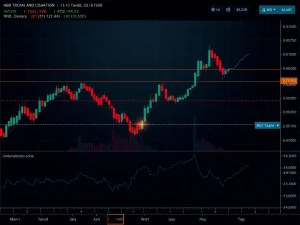
MicroStrategy’s latest Bitcoin accumulation signal comes during a period of exceptional market volatility. The company, which holds over 712,647 Bitcoin worth approximately $55 billion, briefly saw its massive position enter negative territory as Bitcoin’s price plummeted from $87,970 to $75,892 over the weekend. This decline pushed Bitcoin below MicroStrategy’s calculated cost basis of $76,040 per Bitcoin before the cryptocurrency rebounded to $76,765. The company’s consistent accumulation strategy has positioned it as the world’s largest corporate Bitcoin holder, with its most substantial purchase occurring on January 20, 2024, when it acquired 22,305 Bitcoin.
Market analysts immediately recognized Saylor’s Sunday post as a purchase indicator. The executive chairman regularly shares his firm’s Bitcoin acquisition chart when MicroStrategy adds to its holdings or plans to do so. This transparent approach to corporate cryptocurrency strategy has made MicroStrategy a bellwether for institutional Bitcoin adoption. Furthermore, the company’s early entry into Bitcoin markets, combined with the cryptocurrency’s overall price appreciation, has generally kept its holdings profitable throughout most of the past five years.
Political Developments Trigger Cryptocurrency Market Turbulence
The immediate catalyst for Bitcoin’s weekend decline emerged from unexpected political developments. United States President Donald Trump nominated former Federal Reserve governor Kevin Warsh to replace Jerome Powell as Federal Reserve chair on Friday, November 22, 2024. This announcement sent shockwaves through multiple financial markets. While Warsh has previously expressed favorable views toward Bitcoin, financial markets perceive him as a more hawkish candidate likely to advocate for fiscal restraint, lower inflation targets, and reduced quantitative easing measures.
The market reaction extended beyond cryptocurrencies. Traditional safe-haven assets experienced similar declines, with gold and silver dropping by double-digit percentages after reaching multi-month highs. The Standard & Poor’s 500 stock market index fell approximately 0.43% following the announcement. This broad-based market movement suggests investors are reassessing risk across multiple asset classes in response to potential Federal Reserve policy shifts. The interconnected nature of modern financial markets means cryptocurrency prices increasingly respond to traditional financial news and policy developments.
Corporate Cryptocurrency Strategy in Evolving Markets
MicroStrategy’s approach to Bitcoin accumulation represents a sophisticated corporate treasury strategy that has evolved since August 2020. The company treats Bitcoin not as a speculative investment but as a primary treasury reserve asset, challenging conventional corporate finance practices. This strategy has attracted both admiration and skepticism from financial analysts. Supporters argue that Bitcoin provides inflation protection and portfolio diversification, while critics point to the cryptocurrency’s volatility and regulatory uncertainties.
The company’s consistent accumulation during price declines demonstrates a dollar-cost averaging approach to Bitcoin acquisition. This method involves purchasing fixed dollar amounts at regular intervals regardless of price fluctuations, potentially lowering the average purchase price over time. MicroStrategy’s public communication about its Bitcoin strategy, particularly through Saylor’s social media activity, has created unprecedented transparency around corporate cryptocurrency holdings. This transparency allows market participants to observe how a major corporation navigates cryptocurrency market cycles.
Market Sentiment Reaches Six-Week Low
Cryptocurrency market sentiment deteriorated significantly alongside price declines. The Crypto Fear & Greed Index, a popular sentiment measurement tool, dropped six points to 14 out of 100 on Sunday, November 24, 2024. This score represents the lowest reading in over a month and indicates extreme fear among market participants. Sentiment indicators like this provide valuable context for understanding market psychology during volatile periods.
Adding to the cautious sentiment, former Binance CEO Changpeng ‘CZ’ Zhao expressed reduced confidence in his previously predicted ‘Bitcoin supercycle’ during a Saturday social media interaction. ‘Given all the FUD and all the emotions that were stirred up in the community, I’m less confident about it now,’ Zhao stated during a Binance Square Ask Me Anything stream. This shift in perspective from a prominent industry figure contributed to the overall market uncertainty. Additionally, investors withdrew approximately $1.82 billion from spot Bitcoin and Ether exchange-traded funds amid the metals market rally and cryptocurrency decline.
Historical Context and Strategic Implications
MicroStrategy’s Bitcoin strategy must be understood within broader historical and financial contexts. The company began accumulating Bitcoin in August 2020 when the cryptocurrency traded below $12,000. This early adoption timing proved exceptionally advantageous as Bitcoin’s price increased more than sixfold over the following years. The company’s strategy represents a fundamental belief in Bitcoin as a store of value comparable to digital gold, a thesis that has gained increasing acceptance among institutional investors despite ongoing debates.
The corporate world watches MicroStrategy’s Bitcoin strategy closely because it represents a potential blueprint for other companies considering cryptocurrency allocations. Several factors make MicroStrategy’s approach distinctive:
- Scale: The company holds more Bitcoin than any other publicly traded corporation
- Transparency: Regular public disclosures about acquisition strategies and holdings
- Consistency: Continued accumulation through various market conditions
- Integration: Bitcoin as a core component of corporate treasury strategy
This comprehensive approach has positioned MicroStrategy as both a cryptocurrency market participant and a case study in corporate digital asset adoption.
Regulatory and Macroeconomic Considerations
The cryptocurrency market operates within an increasingly complex regulatory and macroeconomic environment. Potential Federal Reserve leadership changes introduce additional uncertainty about monetary policy direction. Kevin Warsh’s nomination raises questions about future interest rate policies, quantitative easing programs, and regulatory approaches to digital assets. While Warsh has expressed openness to Bitcoin, his overall policy orientation toward fiscal restraint could create different market conditions than the current Federal Reserve leadership.
Corporate cryptocurrency strategies must navigate this evolving landscape carefully. Regulatory clarity remains incomplete in many jurisdictions, creating compliance challenges for companies holding digital assets. Accounting standards for cryptocurrency holdings continue to develop, affecting how companies report these assets on financial statements. Tax implications vary significantly across different regions, adding complexity to corporate cryptocurrency management. Despite these challenges, MicroStrategy’s continued Bitcoin accumulation suggests the company views the long-term potential as outweighing the regulatory and operational complexities.
Conclusion
MicroStrategy’s latest Bitcoin purchase signal during market volatility demonstrates the company’s unwavering commitment to its cryptocurrency strategy. Michael Saylor’s ‘More Orange’ announcement as Bitcoin briefly fell below the company’s cost basis highlights a disciplined approach to digital asset accumulation that has defined MicroStrategy’s corporate identity since 2020. The broader market context, including political developments affecting Federal Reserve leadership and declining cryptocurrency sentiment, creates a complex environment for corporate Bitcoin strategies. Nevertheless, MicroStrategy’s continued accumulation suggests confidence in Bitcoin’s long-term value proposition despite short-term market fluctuations. As corporations increasingly consider digital asset allocations, MicroStrategy’s transparent, consistent approach provides a valuable case study in corporate cryptocurrency strategy execution amid evolving market conditions.
FAQs
Q1: What does ‘cost basis’ mean in cryptocurrency investing?
The cost basis represents the average price paid to acquire an asset. For MicroStrategy, the $76,040 Bitcoin cost basis reflects the average purchase price across all its Bitcoin acquisitions since August 2020.
Q2: How does MicroStrategy signal its Bitcoin purchases?
Michael Saylor typically posts ‘More Orange’ on social media alongside a chart showing the company’s Bitcoin acquisition history. This has become a recognized signal that MicroStrategy has purchased or plans to purchase additional Bitcoin.
Q3: Why did Bitcoin’s price drop over the weekend?
The primary catalyst was President Trump’s nomination of Kevin Warsh as Federal Reserve chair, which created uncertainty about future monetary policy despite Warsh’s previously expressed favorable views on Bitcoin.
Q4: How much Bitcoin does MicroStrategy currently hold?
MicroStrategy holds over 712,647 Bitcoin, making it the largest corporate Bitcoin treasury globally, with holdings valued at approximately $55 billion based on recent prices.
Q5: What is the Crypto Fear & Greed Index?
This sentiment measurement tool analyzes multiple market factors to produce a score from 0-100, where lower scores indicate fear and higher scores indicate greed among market participants. The recent score of 14 reflects extreme fear.