Tokenized Precious Metals Shatter Records: BTCC’s $301M Surge Reveals Stunning Silver Rush
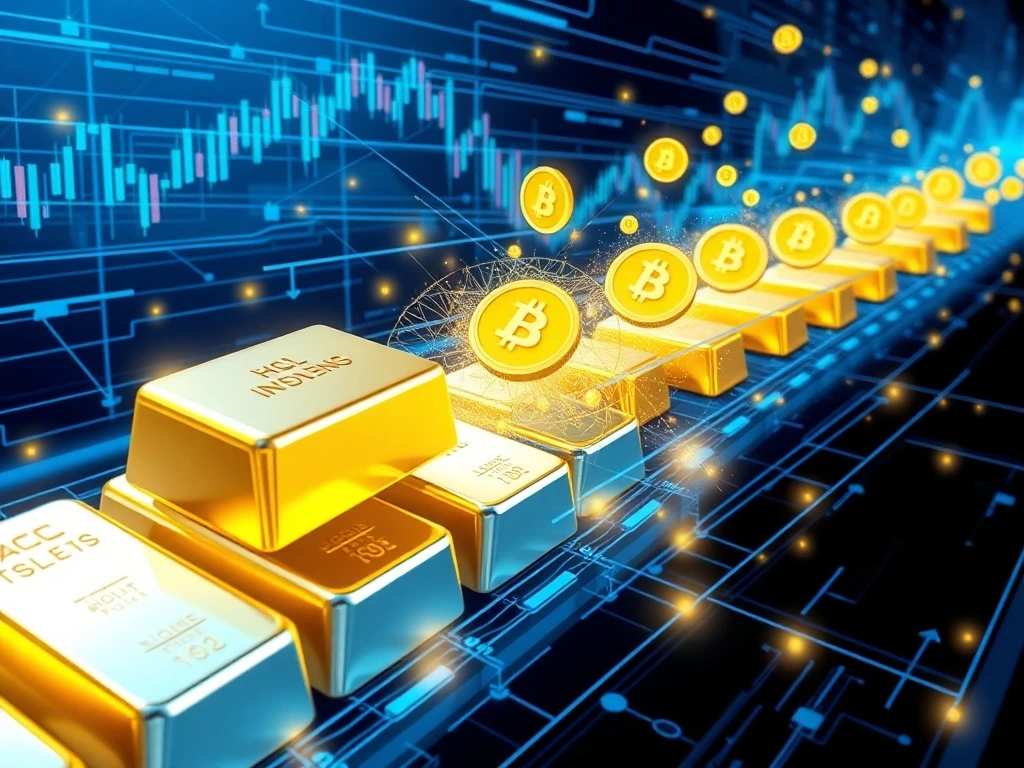
Hong Kong, April 2025 – The digital asset landscape witnessed a historic milestone this week as cryptocurrency exchange BTCC reported a staggering $301.7 million in daily trading volume for tokenized precious metals. This unprecedented figure, representing a 24-hour record for the platform, underscores a dramatic shift in investor behavior. Consequently, market participants increasingly seek refuge in tangible assets like silver and gold through blockchain technology. This surge directly correlates with mounting macroeconomic uncertainty and accelerating institutional adoption of real-world assets (RWAs).
Tokenized Precious Metals Trading Reaches Unprecedented Heights
BTCC’s record-breaking volume marks a pivotal moment for the tokenized commodities sector. The exchange, a significant player in digital asset markets, facilitates trading for digital tokens backed one-to-one by physical silver and gold stored in secure, insured vaults. Notably, the $301.7 million figure eclipses previous daily highs by over 40%. This activity spike highlights a profound convergence between traditional finance and decentralized technology. Furthermore, it signals robust demand for asset-backed digital securities during periods of market volatility.
Analysts immediately linked the surge to several concurrent global events. Rising geopolitical tensions in key resource regions have disrupted traditional supply chains. Simultaneously, persistent inflationary pressures in major economies continue to erode fiat currency values. As a result, investors systematically allocate capital toward historically reliable stores of value. Tokenization, however, provides a modern, efficient conduit for this age-old strategy. The process eliminates traditional barriers like storage costs and complex ownership verification.
The Data Behind the Demand
Market data reveals a compelling narrative behind the numbers. Silver-token trading volume specifically increased by approximately 65% week-over-week, significantly outpacing gold’s respectable 28% growth. This divergence suggests distinct investor motivations for each metal. Industry reports indicate silver’s dual role as both a monetary metal and a critical industrial component for green technologies drives its appeal. The following table illustrates the volume breakdown and growth metrics:
| Asset | Daily Volume (USD) | Weekly Growth | Primary Driver |
|---|---|---|---|
| Tokenized Silver | ~$185M | 65% | Industrial demand & hedge |
| Tokenized Gold | ~$116.7M | 28% | Monetary hedge & safety |
| Total | $301.7M | 47% | Macro uncertainty & RWA trend |
Silver Demand Spikes Amid Macroeconomic Crosscurrents
The remarkable spike in silver demand forms the core of this trading phenomenon. Silver possesses unique characteristics that attract diverse investor groups. Primarily, it serves as a traditional inflation hedge, much like its counterpart gold. However, its extensive use in photovoltaic panels, electric vehicles, and 5G infrastructure creates substantial industrial demand. Recent projections from the Silver Institute forecast a multi-year structural deficit for the metal. Consequently, tokenized silver offers direct exposure to this tight physical market without logistical complexities.
Several macroeconomic factors specifically fuel this demand surge. Central bank policies in the United States and European Union remain in a state of flux, creating currency volatility. Additionally, escalating trade disputes threaten to disrupt global industrial activity. Investors, therefore, seek assets with intrinsic value and utility. Tokenized silver seamlessly bridges the physical and digital investment worlds. Key advantages of this format include:
- Fractional Ownership: Investors purchase small fractions of a bullion bar.
- 24/7 Liquidity: Trade digital tokens anytime, unlike traditional metals markets.
- Transparent Audits: Blockchain provides immutable proof of reserves and ownership.
- Global Accessibility: Anyone with an internet connection can participate.
Expert Analysis on the RWA Acceleration
Financial experts point to this event as evidence of the maturing real-world asset tokenization sector. “The BTCC volume record isn’t an isolated crypto event,” notes Dr. Alina Chen, a financial technology professor at the National University of Singapore. “It’s a clear indicator of capital migration. Investors are using blockchain’s efficiency to execute a classic safe-haven strategy. The data shows they prefer the programmability and transparency of tokenized metals over traditional ETFs or physical certificates, especially during stress periods.”
This sentiment echoes across institutional research desks. A recent Goldman Sachs report highlighted RWA tokenization as a “megatrend” for 2025, predicting the total addressable market could exceed $4 trillion. The report specifically cited precious metals as a foundational asset class for this expansion. The infrastructure supporting this growth has matured significantly. Regulated custodians, regular third-party audits, and compliant issuance platforms now provide the necessary trust layer for large-scale adoption.
The Broader Impact on Cryptocurrency and Traditional Finance
This record trading volume carries significant implications for both cryptocurrency and traditional finance (TradFi). For the crypto ecosystem, it demonstrates a viable path beyond purely speculative digital assets. Tokenized RWAs offer utility, stability, and a tangible connection to the global economy. This appeal can attract a new cohort of conservative investors previously hesitant to enter the digital asset space. Moreover, it provides crypto-native portfolios with a critical diversification tool uncorrelated to Bitcoin’s price movements.
For traditional finance, the event serves as a potent competitive signal. Legacy systems for trading and settling commodity assets often involve multiple intermediaries, leading to higher costs and slower settlement. Blockchain-based tokenization streamlines this process dramatically. Traditional banks and asset managers are now accelerating their own tokenization projects in response. The convergence is creating a new hybrid financial landscape where the lines between digital and physical assets continue to blur.
The regulatory environment is also evolving to accommodate this growth. Jurisdictions like Hong Kong, where BTCC operates, and the European Union with its MiCA framework, are establishing clear guidelines for asset-backed tokens. This regulatory clarity reduces investor risk and fosters market integrity. As a result, institutional participation is rising steadily. Pension funds and family offices are increasingly allocating small percentages of their portfolios to tokenized precious metals as a strategic hedge.
Conclusion
BTCC’s record $301.7 million daily volume in tokenized precious metals trading represents a watershed moment for digital assets. It validates the powerful demand for real-world asset tokenization, particularly during times of macroeconomic uncertainty. The dramatic spike in silver demand highlights investor focus on assets with both monetary and industrial value. This trend, supported by robust infrastructure and evolving regulation, signals a durable shift in how global capital seeks safety and growth. The fusion of blockchain efficiency with the timeless value of precious metals is creating a resilient new pillar for the future of finance.
FAQs
Q1: What are tokenized precious metals?
Tokenized precious metals are digital tokens on a blockchain that represent direct ownership of a specific amount of physical gold or silver. Each token is backed by bullion stored in high-security, insured vaults and is redeemable for the physical metal under the issuer’s terms.
Q2: Why is silver demand surging compared to gold?
Silver demand is surging due to its dual role as both a monetary safe-haven asset and a critical industrial metal. Rising use in solar panels, electronics, and the green energy transition creates structural demand, while macroeconomic uncertainty drives its appeal as a hedge, leading to amplified interest.
Q3: How does trading tokenized metals differ from buying a gold ETF?
Tokenized metals often offer direct ownership of the underlying asset, whereas an ETF represents a share in a fund that holds the metal. Tokenization can provide 24/7 trading, fractional ownership of specific bars, and potentially more transparent, blockchain-verified proof of reserves.
Q4: What risks are associated with tokenized precious metals?
Key risks include custody risk (reliance on the issuer/vault), regulatory uncertainty in some jurisdictions, technological risk related to the platform, and potential liquidity differences compared to massive, established markets like COMEX gold futures.
Q5: Is this trend in tokenized real-world assets expected to continue?
Most financial analysts believe the RWA tokenization trend is in its early stages and will continue. Drivers include demand for portfolio diversification, blockchain’s efficiency benefits, increasing institutional comfort, and the search for yield and stability in volatile markets.