Trump Crypto Startup: UAE Firm’s $500M Investment Sparks Intense Scrutiny Days Before Inauguration
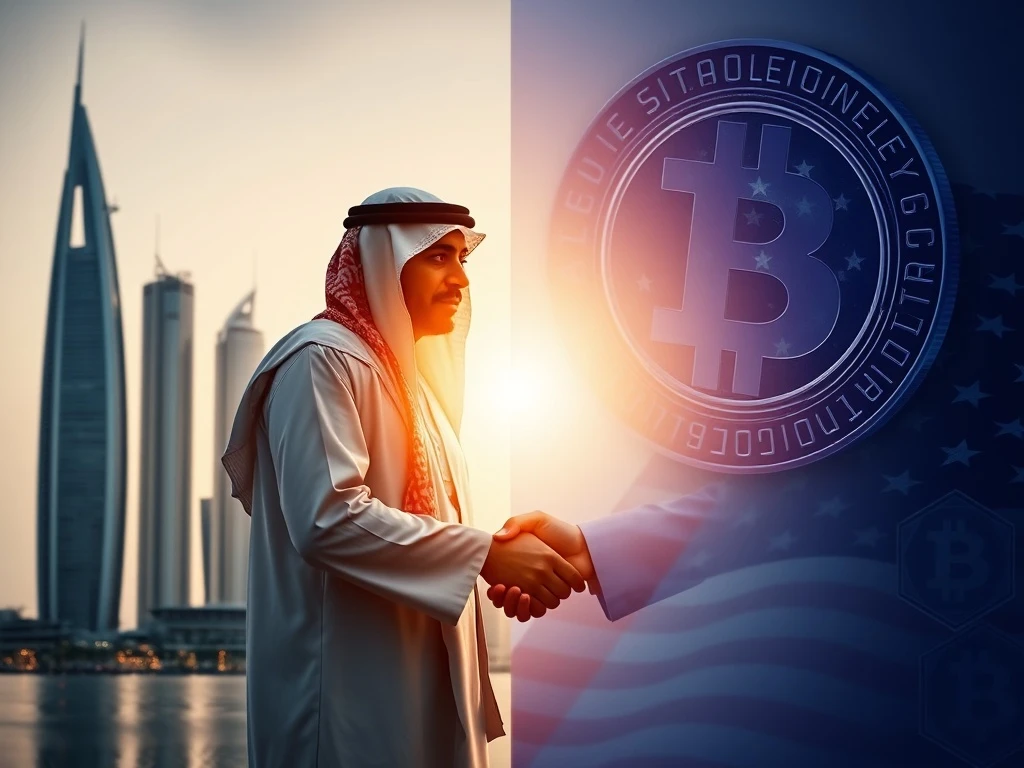
In a confidential January 2025 transaction that has ignited immediate political and regulatory scrutiny, a powerful Abu Dhabi investment vehicle acquired a massive stake in a cryptocurrency startup with direct ties to the Trump family. According to a detailed report from The Wall Street Journal, the deal, valued at half a billion dollars, was finalized mere days before Donald Trump’s return to the White House, raising profound questions about influence, national security, and the intersection of digital assets and global politics. This major investment into the Trump crypto startup World Liberty Financial represents one of the most significant and politically sensitive capital injections into the crypto sector.
Anatomy of the $500 Million UAE Investment
The Wall Street Journal report reveals a complex financial structure. Specifically, Aryam Investment 1, an entity backed by Sheikh Tahnoon bin Zayed Al Nahyan, agreed to purchase a 49% stake in World Liberty Financial for $500 million. Crucially, the agreement mandated an upfront payment of $250 million. Consequently, $187 million of that sum flowed directly to Trump family-controlled entities. Furthermore, additional tens of millions were distributed to entities tied to the startup’s co-founders, who include relatives of U.S. Middle East envoy Steve Witkoff. Eric Trump reportedly signed the agreement on behalf of the family interests.
This transaction remained undisclosed to the public, despite World Liberty Financial later reporting a sharp reduction in the Trump family’s ownership stake. The deal instantly made Aryam Investment 1 the startup’s largest outside shareholder. As part of the arrangement, executives from G42—a prominent Abu Dhabi artificial intelligence company chaired by Sheikh Tahnoon—assumed board seats at World Liberty, creating a direct operational link.
Key Financial Flow of the Deal
| Party | Role | Reported Financial Benefit |
|---|---|---|
| Aryam Investment 1 (UAE) | Purchaser of 49% stake | Paid $500 million |
| Trump Family Entities | Sellers of stake | Received $187 million upfront |
| Co-founders & Linked Entities | Sellers of stake | Received “tens of millions” |
| World Liberty Financial | Cryptocurrency Startup | Gained major UAE-backed shareholder |
The Tahnoon Factor: AI Ambitions and Shifting U.S. Policy
Sheikh Tahnoon is not merely a wealthy investor; he is a central figure in UAE statecraft. As the brother of the UAE president and the country’s national security adviser, he spearheads Abu Dhabi’s ambitious strategy to become a global artificial intelligence leader. However, under the previous Biden administration, his efforts to procure advanced U.S.-made AI chips faced significant hurdles. U.S. officials expressed clear concerns about the potential for sensitive technology to be transferred to China, particularly through companies like G42.
The political landscape shifted dramatically following the 2024 election. Subsequently, Sheikh Tahnoon engaged in multiple meetings with President-elect Trump and senior U.S. officials. Within months of the new administration taking office, the U.S. committed to a framework granting the UAE access to hundreds of thousands of advanced AI chips annually. This policy reversal underscores the high-stakes geopolitical context surrounding the cryptocurrency investment. Analysts note the deal’s timing, occurring in the transitional window between the election and inauguration, is particularly notable.
Mounting Legal and Political Controversies
World Liberty Financial was already under a political microscope before this investment. In November 2024, Democratic Senators Elizabeth Warren and Jack Reed sent a formal letter to the Justice Department and Treasury. They urged an investigation into allegations that WLFI’s governance tokens had been purchased by blockchain addresses linked to sanctioned entities, including:
- North Korea’s Lazarus Group: A state-sponsored hacking collective notorious for cryptocurrency theft.
- Russian-linked entities: Actors potentially seeking to evade international financial sanctions.
- Iranian-linked entities: Similar concerns regarding sanction evasion and illicit finance.
These allegations are compounded by World Liberty’s ownership model. The structure directs the majority of token revenue to Trump family-linked entities, creating what critics call a glaring conflict of interest. Lawmakers argue this setup means most proceeds from the startup’s token sales directly benefit the sitting president’s family.
A Timeline of Escalating Scrutiny
The sequence of events highlights the growing pressure on the Trump crypto startup:
- Nov 2024: U.S. Senators call for DOJ/Treasury probe into WLFI token sales.
- Jan 2025: Aryam Investment 1 signs $500M deal for 49% of WLFI.
- Jan 2025: Donald Trump inaugurated for a second term.
- Early 2025: Tahnoon-led firm MGX uses WLFI stablecoin for $2B Binance investment.
- Mid 2025: U.S.-UAE advanced AI chip framework is announced.
- Mid 2025: WSJ investigation reveals details of the January deal.
Denials and the Question of Influence
Both World Liberty Financial and the White House have firmly denied any wrongdoing. Official spokespeople told The Journal that President Trump was not involved in the deal’s negotiation or approval. They also asserted the investment provides the UAE with no influence over U.S. policy decisions. Nevertheless, ethics experts and legal scholars point to the sheer scale and timing of the transaction as problematic. The infusion of capital, occurring during a presidential transition and involving a foreign power with clear strategic objectives, inevitably invites scrutiny under ethics laws and national security protocols.
Moreover, the deal’s structure reveals a deep financial interconnection. The $187 million payment to Trump entities represents a direct and substantial financial benefit. Concurrently, the involvement of G42 executives on World Liberty’s board creates a channel for potential technological and strategic influence. This convergence of finance, technology, and geopolitics defines the modern digital asset landscape.
Conclusion
The $500 million UAE investment into the Trump crypto startup World Liberty Financial is far more than a simple business transaction. It is a case study in the complex interplay between cryptocurrency, international finance, and high-level politics. The deal’s confidential nature, its timing on the eve of a presidential inauguration, and its connection to a foreign government’s strategic AI ambitions guarantee continued investigation. As regulatory bodies and congressional committees examine the allegations of sanctioned entity involvement and potential conflicts of interest, this story underscores the urgent need for clear legal frameworks governing digital assets and political ethics. The ultimate impact on U.S. policy, cryptocurrency regulation, and international relations remains a critically important developing story.
FAQs
Q1: What is World Liberty Financial?
World Liberty Financial is a cryptocurrency startup whose ownership and revenue structure have significant ties to the Trump family. It issues governance tokens and stablecoins, and it has been the subject of U.S. Senate scrutiny over its token sales.
Q2: Who is Sheikh Tahnoon bin Zayed Al Nahyan?
Sheikh Tahnoon is the national security adviser of the United Arab Emirates and the brother of the UAE president. He is a key architect of the UAE’s strategy to lead in artificial intelligence and oversees a vast portfolio of investment vehicles, including G42 and MGX.
Q3: Why is the timing of this investment significant?
The deal was signed in January 2025, just days before Donald Trump’s presidential inauguration. This timing, during a transition of power, raises questions about potential influence-peddling and whether the investment was intended to curry favor with the incoming administration.
Q4: What are the main allegations against World Liberty Financial?
Democratic senators have alleged that the startup’s tokens were purchased by blockchain addresses tied to sanctioned entities like North Korea’s Lazarus Group. Additionally, critics highlight a conflict of interest because most token revenue flows to Trump family entities.
Q5: How has the U.S. policy on AI chips to the UAE changed?
Under the Biden administration, the UAE faced restrictions on acquiring advanced U.S. AI chips due to concerns about technology transfer to China. Following Trump’s election, the U.S. agreed to a framework granting the UAE access to hundreds of thousands of these chips annually.