Bitcoin Hashrate Plummets 12% as Brutal US Winter Cripples Mining Operations
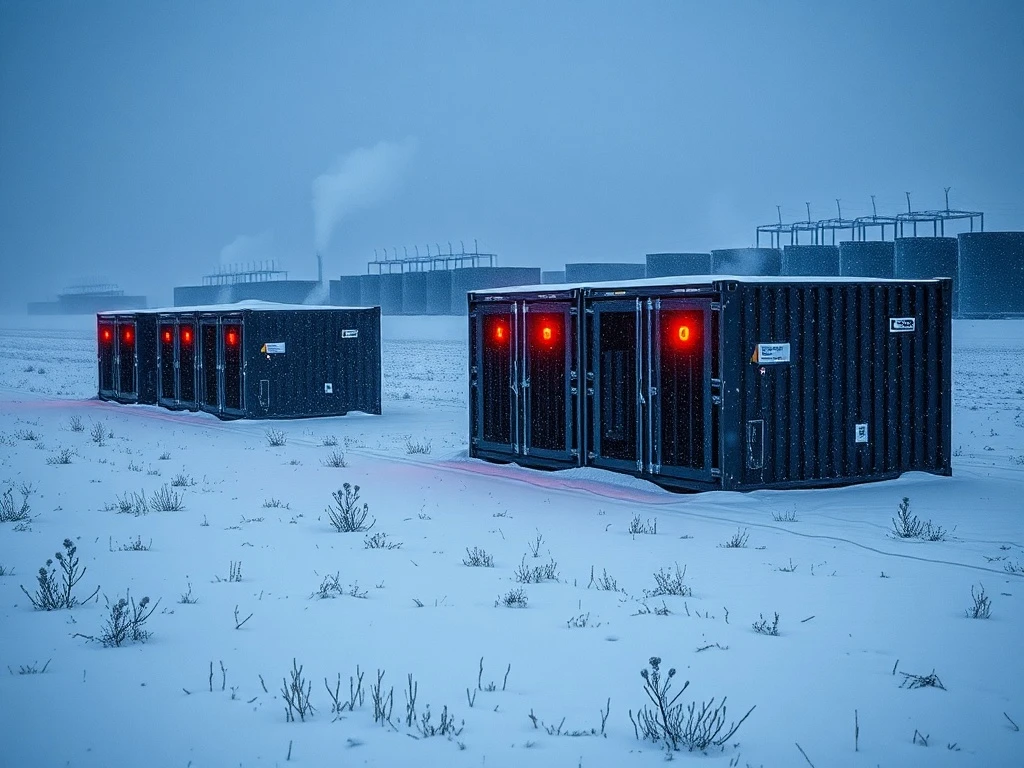
January 2025 – The Bitcoin network faces its most significant computing power contraction in four years as extreme winter weather across North America forces major mining operations offline, triggering concerns about network resilience during climate-related disruptions. According to data from CryptoQuant, the global Bitcoin hashrate has plunged approximately 12% since November 2024, reaching levels not seen since October 2021. This dramatic decline represents the largest sustained drop since China’s 2021 mining ban reshaped the industry’s geographical distribution.
Historic Bitcoin Hashrate Decline Signals Network Stress
The Bitcoin network’s computing power, measured in exahashes per second (EH/s), serves as its fundamental security metric. Consequently, the recent contraction from over 630 EH/s to approximately 560 EH/s within two months represents a substantial reduction in network capacity. This decline directly impacts block production times and mining economics. Furthermore, daily mining revenues have simultaneously dropped to around $28 million, marking one of the lowest revenue periods in the past twelve months. The Miner Profit and Loss Sustainability indicator from CryptoQuant now shows levels comparable to late 2024, indicating significant pressure on operator profitability.
Several key metrics illustrate the severity of this situation:
- Hashrate Reduction: 12% decline since November 2024
- Revenue Impact: Daily mining revenues at $28 million
- Geographic Concentration: North American participation rate declining
- Historical Context: Largest drop since China’s mining exodus
Extreme Weather Conditions Disrupt US Mining Operations
Unprecedented winter storms across Texas, the Midwest, and other mining hubs have created operational challenges for cryptocurrency miners. These weather events have forced numerous facilities to voluntarily curtail operations or completely shut down equipment to prevent overloading local power grids during peak demand periods. The Electric Reliability Council of Texas (ERCOT) has issued multiple conservation requests throughout January 2025, prompting mining companies to power down thousands of application-specific integrated circuit (ASIC) machines. This temporary shutdown strategy helps stabilize regional electricity networks but significantly reduces Bitcoin’s global computing power.
Operational and Economic Consequences for Miners
Mining operations face immediate financial pressure when forced offline. Fixed costs including infrastructure maintenance, lease payments, and personnel expenses continue accumulating despite revenue interruption. Additionally, reactivating equipment after weather events requires careful monitoring to prevent damage from power fluctuations or temperature extremes. The concentration of mining infrastructure in weather-vulnerable regions like Texas, which hosts approximately 25-30% of US Bitcoin mining capacity, creates systemic vulnerability to climate disruptions. This geographic concentration contrasts with the network’s original decentralized design philosophy.
Network Security Implications and Difficulty Adjustments
Bitcoin’s security model relies on distributed computing power to prevent malicious attacks. While the current 12% hashrate reduction doesn’t immediately threaten network integrity, prolonged erosion could potentially increase vulnerability to theoretical 51% attacks. However, Bitcoin’s built-in difficulty adjustment mechanism provides inherent resilience. This protocol feature automatically recalculates mining difficulty every 2,016 blocks (approximately two weeks) based on recent hashrate performance. Consequently, the next adjustment expected in mid-February 2025 should lower difficulty requirements, making block validation easier for remaining active miners and gradually restoring equilibrium.
The relationship between hashrate, difficulty, and block times follows predictable patterns:
| Metric | Current Status | Expected Adjustment |
|---|---|---|
| Network Hashrate | ~560 EH/s | Gradual recovery post-weather |
| Mining Difficulty | Near all-time high | ~10-15% reduction expected |
| Block Interval | Slightly above 10 minutes | Return to 10-minute target |
| Miner Revenue | Depressed levels | Improvement with difficulty drop |
Comparative Analysis with Previous Hashrate Declines
The current hashrate contraction represents the most significant event since China’s 2021 mining ban, which removed approximately 50% of global Bitcoin mining capacity from the network. However, important distinctions exist between these two events. The Chinese ban resulted from regulatory policy changes, creating permanent geographical redistribution. Conversely, the current decline stems from temporary weather disruptions, suggesting likely recovery once conditions normalize. The 2021 event triggered massive miner migration to North America and Central Asia, fundamentally reshaping industry geography. The 2025 weather disruption highlights vulnerabilities in this new concentration model, particularly in regions with extreme climate variability.
Long-Term Infrastructure Considerations
This weather-induced disruption prompts serious discussion about mining infrastructure resilience. Industry analysts now emphasize the importance of diversified geographical distribution, robust contingency planning, and enhanced grid integration strategies. Some forward-thinking operations are exploring hybrid energy solutions incorporating renewable sources with battery storage to maintain partial operations during grid stress events. Additionally, mining companies increasingly participate in demand response programs, voluntarily reducing consumption during peak periods in exchange for financial compensation from grid operators. These adaptations demonstrate the industry’s evolving relationship with energy infrastructure.
Market Impact and Investor Perspectives
Bitcoin’s price has shown relative stability despite the hashrate decline, trading within a consolidated range throughout January 2025. This price resilience suggests market participants view the computing power reduction as temporary rather than structural. However, some analysts express concern about prolonged hashrate erosion potentially affecting investor confidence in network security. Institutional investors particularly monitor hashrate metrics as indicators of network health and miner sentiment. The current situation provides a real-world stress test for Bitcoin’s adaptive mechanisms, offering valuable data about network behavior under significant computing power fluctuations.
Key market observations include:
- Price Stability: Bitcoin maintains support levels despite hashrate drop
- Miner Stock Performance: Public mining companies show mixed results
- Network Metrics: Transaction processing continues normally
- Future Outlook: Expected difficulty adjustment may improve margins
Conclusion
The 12% Bitcoin hashrate decline highlights the network’s vulnerability to extreme weather events affecting concentrated mining regions. While temporary, this disruption demonstrates how climate factors increasingly influence cryptocurrency infrastructure. The network’s difficulty adjustment mechanism should gradually restore equilibrium, but the event underscores the importance of geographical diversification for mining operations. As Bitcoin continues maturing as a global financial network, resilience against environmental disruptions becomes increasingly crucial for long-term stability. The coming weeks will reveal how quickly mining operations can resume normal activity and whether this event prompts strategic changes in industry infrastructure planning.
FAQs
Q1: How does weather affect Bitcoin mining operations?
Extreme weather, particularly cold temperatures, increases electricity demand for heating, prompting grid operators to request industrial users like miners to reduce consumption. Mining equipment also becomes less efficient in extreme cold without proper heating systems, and infrastructure may face physical risks from ice or snow.
Q2: What happens to Bitcoin transaction processing during hashrate drops?
Transaction processing continues normally, but block intervals may temporarily increase slightly above the 10-minute target. The network remains fully functional, though with reduced security margins until hashrate recovers or difficulty adjusts.
Q3: How long does it take for Bitcoin’s difficulty adjustment to respond to hashrate changes?
The network recalculates mining difficulty every 2,016 blocks, approximately every two weeks. The adjustment magnitude depends on the average hashrate during that period, with the next adjustment expected in mid-February 2025.
Q4: Are there geographical regions less vulnerable to weather-related mining disruptions?
Regions with stable climates and diverse energy grids experience fewer weather-related disruptions. Areas with significant renewable energy integration and robust infrastructure generally offer more consistent mining conditions, though all locations face some climate risks.
Q5: How do mining companies protect their equipment during extreme weather events?
Responsible operators implement climate-controlled facilities, install protective enclosures, maintain backup power systems, and develop emergency shutdown procedures. Many also participate in grid management programs that provide compensation for voluntary curtailment during peak demand periods.