Solana Active Addresses Surge 115% as AI Memecoin Frenzy Ignites Network Activity
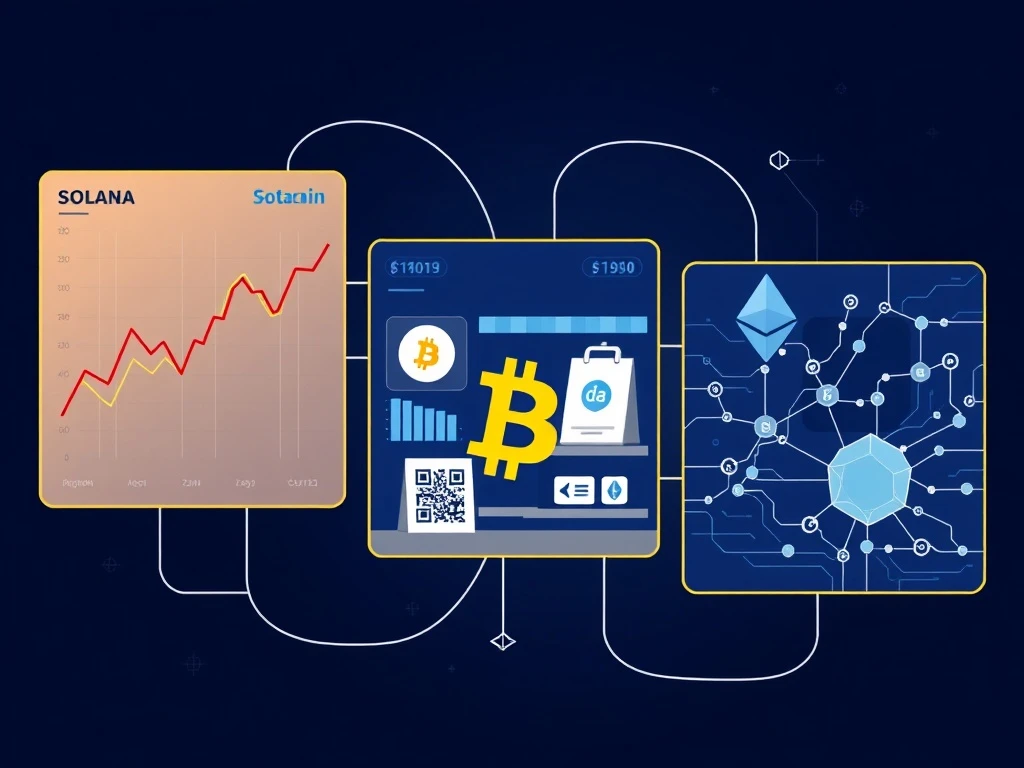
January 2025 witnessed remarkable blockchain network activity as Solana’s daily active addresses skyrocketed 115% amid an AI-powered memecoin creation frenzy, while Bitcoin adoption reached new milestones with 40% of US merchants now accepting cryptocurrency payments. This comprehensive analysis examines the underlying drivers behind these significant developments, providing context about network upgrades, market dynamics, and real-world adoption trends that shaped the cryptocurrency landscape during the first month of 2025.
Solana Network Activity Explodes with AI-Powered Token Launches
The Solana blockchain experienced unprecedented growth in January 2025, with daily active addresses consistently exceeding 5 million throughout the second half of the month. According to blockchain analytics firm Nansen, this represented a staggering 115% increase from previous months. The surge directly correlated with the release of Anthropic’s Claude Cowork AI agent, which dramatically simplified the token creation process on Solana-based platforms.
Specifically, the Bags token launchpad saw transaction fees spike to $4.5 million on January 16, compared to typical daily fees ranging from several hundred to tens of thousands of dollars during the previous September-December period. This fee explosion indicates substantial network utilization and economic activity. Meanwhile, the number of successful token launches on Bags surpassed those on the previously dominant Pump.fun platform, signaling a shift in developer preferences and platform capabilities.
Technical Infrastructure and Network Performance
Solana’s architecture proved capable of handling the increased load, maintaining transaction speeds despite the dramatic activity surge. The network’s performance during this period demonstrates its scalability advantages for high-frequency applications like memecoin trading and creation. However, the concentration of activity around specific platforms like Bags highlights both opportunities and potential vulnerabilities within the ecosystem.
Ethereum Network Upgrades Drive 25% Address Growth
While Solana captured headlines with its explosive growth, Ethereum quietly achieved significant milestones of its own. The network surpassed major Layer 2 solutions including Base and Arbitrum in daily active addresses during December 2024, then recorded a 25% increase in January 2025. This growth followed critical network upgrades that increased blob sizes and reduced transaction fees to unprecedented lows.
On January 29, average Ethereum transaction fees dropped below $0.01, making the network more accessible for everyday users and developers. These improvements represent tangible progress toward Ethereum co-founder Vitalik Buterin’s “walkaway test” vision—creating a network that functions independently without constant developer intervention. The upgrades specifically addressed long-standing concerns about network costs and scalability.
| Network | Active Address Increase | Key Driver | Average Fee (Jan 29) |
|---|---|---|---|
| Solana | 115% | AI-powered memecoin launches | Variable (spiked to $4.5M) |
| Ethereum | 25% | Network upgrades reducing costs | <$0.01 |
| Bitcoin | N/A | Merchant adoption growth | Market dependent |
Bitcoin Mining Faces Weather Challenges and Grid Integration
Seven major Bitcoin mining operations in the United States confronted operational challenges during severe winter storms that affected power grids across southeastern and south-central regions. Companies including Riot, Core Scientific, CleanSpark, and Bitdeer implemented demand response programs, temporarily scaling back operations to stabilize local power grids. This flexibility demonstrates how cryptocurrency mining can integrate with traditional energy infrastructure.
Matthew Sigel, VanEck’s head of digital assets research, noted that these mining operations “are structurally set up to act as flexible loads via utility demand response programs.” The January storms caused widespread power outages affecting approximately 400,000 people across Kentucky, Tennessee, Mississippi, Louisiana, and Texas. Mining operations in these regions demonstrated their ability to provide grid stability by reducing consumption during peak demand periods.
Cryptocurrency Payment Adoption Reaches Critical Mass
PayPal’s January 2025 report revealed that 40% of US merchants now accept cryptocurrency payments, marking a significant milestone in digital asset adoption. The payments processor identified several key advantages driving this trend:
- Faster transaction speeds compared to traditional payment methods
- Enhanced privacy features for both merchants and customers
- Attraction of crypto-savvy customers expanding market reach
- Reduced cross-border transaction complexities
PayPal Vice President May Zabaneh stated, “What we’re seeing both in this data and in conversations with our customers is that crypto payments are moving beyond experimentation and into everyday commerce.” The survey further indicated that 84% of merchants believe cryptocurrency payments will achieve mainstream adoption within five years.
Geopolitical Factors Influence Bitcoin Price Volatility
Bitcoin’s price experienced notable volatility in January 2025, briefly approaching $100,000 before retreating to approximately $87,000. This 10% correction coincided with geopolitical tensions surrounding former President Donald Trump’s statements about Greenland. Chris Beauchamp, chief market analyst at IG, observed that “cryptocurrencies offered no haven from the wave of selling that washed over global markets in response to Trump’s threat.”
The market reaction demonstrates Bitcoin’s continued correlation with traditional risk assets during periods of geopolitical uncertainty. Analysts noted that while Bitcoin has often been described as “digital gold,” its price movements during January 2025 more closely resembled those of technology stocks and other growth-oriented assets.
Conclusion
January 2025 presented a multifaceted cryptocurrency landscape where technological innovation, network upgrades, and real-world adoption converged. Solana’s dramatic 115% increase in active addresses highlights how AI integration can accelerate blockchain utilization, while Ethereum’s steady progress demonstrates the value of systematic network improvements. Bitcoin’s growing merchant adoption and mining grid integration show maturing infrastructure and practical applications. These developments collectively indicate a cryptocurrency ecosystem moving beyond speculative trading toward functional utility and mainstream integration, with network activity metrics serving as crucial indicators of ecosystem health and adoption trends.
FAQs
Q1: What caused Solana’s 115% increase in active addresses?
The surge resulted primarily from AI-powered memecoin creation tools, specifically Anthropic’s Claude Cowork agent, which dramatically simplified token launches on Solana-based platforms like Bags, leading to unprecedented network activity.
Q2: How did Ethereum achieve sub-$0.01 transaction fees?
Ethereum implemented network upgrades that increased blob sizes, improving scalability and reducing congestion. These technical improvements, part of ongoing efforts to “future-proof” the network, made transactions significantly more affordable.
Q3: Why did Bitcoin miners scale back operations during winter storms?
Seven major US mining operations participated in utility demand response programs, temporarily reducing consumption to stabilize local power grids during severe winter storms that caused widespread outages across southern states.
Q4: What percentage of US merchants now accept cryptocurrency payments?
According to PayPal’s January 2025 report, 40% of US merchants accept cryptocurrency payments, with 84% believing crypto payments will become mainstream within five years.
Q5: How did geopolitical events affect Bitcoin’s price in January 2025?
Bitcoin’s price retreated approximately 10% from monthly highs amid geopolitical tensions, demonstrating its continued correlation with traditional risk assets during periods of uncertainty, despite sometimes being characterized as a hedge against volatility.