Kevin Warsh: Trump’s Fed Chair Nominee Named in Explosive Epstein Files
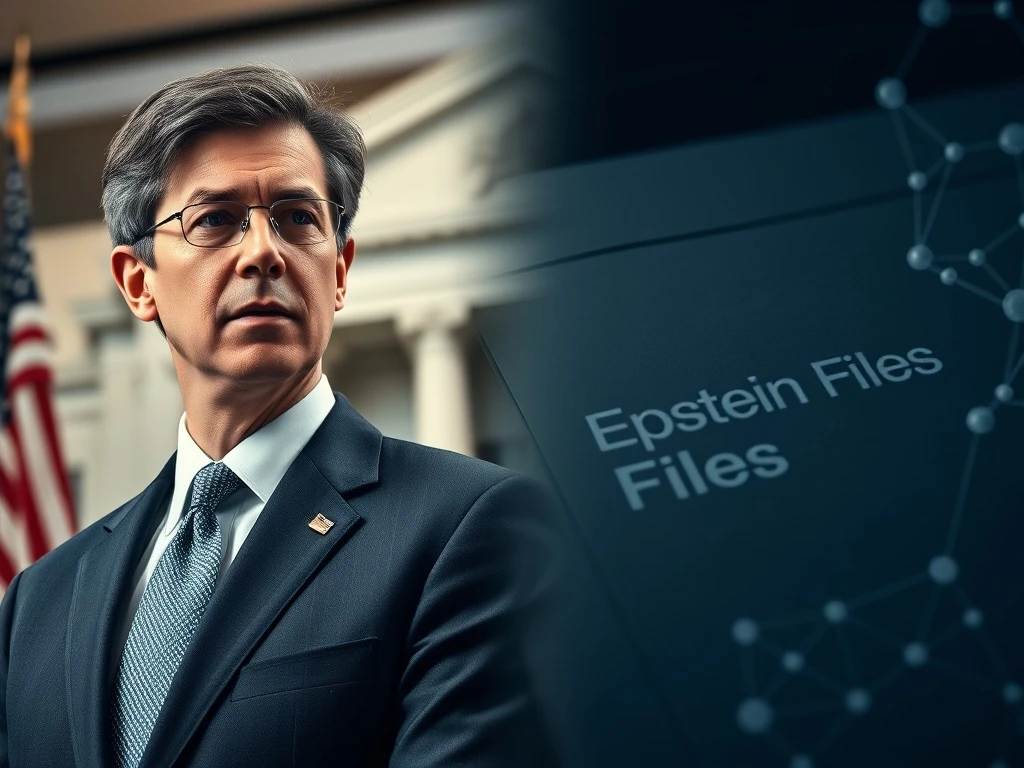
WASHINGTON, D.C. – January 2025. Kevin Warsh, President Donald Trump’s former nominee for Federal Reserve Chair, has surfaced in the controversial Jeffrey Epstein files, according to a Yahoo Finance report. This development connects high-level financial appointments to the ongoing Epstein scandal. The files reveal Warsh’s name on a 2010 invitation list for a Christmas event in St. Barts. Furthermore, these documents reportedly detail Bitcoin discussions involving former Treasury Secretary Larry Summers and Tether co-founder Brock Pierce at Epstein’s Manhattan mansion. This article provides a comprehensive, factual analysis of these connections, their political context, and their implications for financial governance.
Kevin Warsh and the Epstein Files Connection
The late financier Jeffrey Epstein’s case continues to generate global scrutiny. The U.S. Department of Justice has released hundreds of thousands of related documents. Among these records, analysts found Kevin Warsh’s name. Specifically, it appeared on an invitation list for a December 2010 holiday gathering on the island of St. Barts. This discovery occurred during a routine document review by journalists. It is crucial to note that an invitation does not confirm attendance or imply wrongdoing. However, the association places a prominent financial figure within Epstein’s extensive social network.
Kevin Warsh served as a Federal Reserve Board Governor from 2006 to 2011. President Trump later considered him for the Fed Chair position in 2017. Ultimately, Trump nominated Jerome Powell for the role. Warsh’s background includes significant Wall Street experience. He worked at Morgan Stanley before his government service. His policy views often emphasized regulatory caution. The Epstein files inclusion adds a complex layer to his public profile. Legal experts consistently stress the importance of distinguishing between association and culpability.
The Political and Financial Repercussions
The Epstein files have ignited intense political debate. Allegations suggest various powerful individuals had connections to Epstein. These documents have fueled speculation about President Trump’s awareness of Epstein’s activities. Trump has repeatedly denied any involvement. The Justice Department’s document releases aim to provide transparency. However, they often generate more questions than answers. The inclusion of a former Fed nominee highlights the scandal’s reach into economic policy circles.
This situation presents several immediate implications:
- Nomination Scrutiny: Future political appointments may face intensified background checks regarding Epstein connections.
- Public Trust: The episode could impact public confidence in financial institutions and their leaders.
- Media Focus: News organizations will likely increase investigations into links between finance and the Epstein case.
Financial markets typically react to Fed leadership uncertainty. Historically, they show volatility during controversial nominations. The Warsh revelation, while historical, reminds investors of the intersection between politics and central banking.
Analyzing the Bitcoin and Cryptocurrency Angle
The Epstein files contain another remarkable financial detail. They reportedly document discussions about Bitcoin at Epstein’s New York mansion. Participants included former Treasury Secretary Larry Summers and Tether co-founder Brock Pierce. This finding places cryptocurrency conversations within Epstein’s orbit as early as the 2010s. Bitcoin was in its infancy during that period. These talks indicate early elite interest in digital assets.
Brock Pierce is a notable figure in the crypto space. He helped found Tether, the stablecoin giant. Larry Summers is a renowned economist and former Harvard president. Their alleged meeting at Epstein’s home raises questions about the context. Was it a casual discussion or a strategic exploration? The documents do not specify the nature or outcome of these conversations. However, they underscore cryptocurrency’s penetration into diverse, high-level networks.
The following table contrasts the main individuals mentioned in this context:
| Individual | Primary Role | Epstein Files Context |
|---|---|---|
| Kevin Warsh | Former Fed Governor, Trump Fed Chair Nominee | Named on 2010 St. Barts event invitation list |
| Larry Summers | Former U.S. Treasury Secretary, Economist | Reportedly discussed Bitcoin at Epstein’s mansion |
| Brock Pierce | Tether Co-founder, Cryptocurrency Entrepreneur | Reportedly discussed Bitcoin at Epstein’s mansion |
Historical Context and Document Verification
The Jeffrey Epstein case originated with his 2008 plea deal in Florida. Later, federal prosecutors in New York charged him in 2019 with sex trafficking. Epstein died in jail that same year. His death was ruled a suicide. Since then, courts have authorized the gradual release of case documents. These files include flight logs, contact lists, and correspondence. Journalists and researchers meticulously comb through these materials. They aim to establish factual connections without speculation.
The Yahoo Finance report represents one such journalistic effort. It cites specific document references regarding Kevin Warsh. Responsible news outlets verify these details through multiple sources. They also provide relevant context about the nature of the listings. For instance, an invitation list is a record of intended guests. It does not serve as proof of attendance or shared activities. This distinction is vital for accurate reporting.
Similarly, the Bitcoin discussion notes require careful interpretation. They suggest a meeting occurred. However, they do not reveal the content’s substance or the participants’ intentions. The financial technology sector was evolving rapidly at the time. Many economists and entrepreneurs explored its potential. Therefore, such a discussion, while notable for its setting, might reflect broader professional curiosity.
Expert Perspectives on Governance and Association
Ethics experts in government and finance emphasize clear standards. They argue that public officials must maintain distance from controversial figures. The appearance of impropriety can be damaging. Kevin Warsh’s potential Fed nomination occurred years after the 2010 invitation. Standard vetting processes would have reviewed his associations. The White House did not proceed with his nomination for unrelated policy reasons.
Legal analysts note that mere appearance in the Epstein files carries no legal weight. It does not indicate criminal behavior or knowledge of crimes. Due process requires evidence of specific wrongdoing. The ongoing judicial releases aim for transparency, not accusation. Readers should therefore consume this news with measured perspective. They should avoid conflating documentation with determination of guilt.
Financial historians draw parallels to past scandals. They note that markets ultimately focus on policy competence. The Federal Reserve’s credibility rests on its economic actions. Historical associations of former nominees typically have limited long-term impact on institutional trust. However, they can influence the political confirmation environment for future candidates.
Conclusion
The emergence of Kevin Warsh’s name in the Epstein files reveals the scandal’s far-reaching connections. It links a former Federal Reserve chair nominee to Jeffrey Epstein’s network. Simultaneously, the files highlight early Bitcoin discussions involving Larry Summers and Brock Pierce. These facts underscore the complex intersections of finance, politics, and technology. They demonstrate the importance of rigorous vetting for public officials. Furthermore, they show the media’s role in investigating powerful networks. The Kevin Warsh episode serves as a historical footnote with enduring relevance for governance and accountability.
FAQs
Q1: What is the significance of Kevin Warsh appearing in the Epstein files?
The significance is primarily contextual. It shows that Jeffrey Epstein’s social and professional network included individuals considered for the nation’s top central banking position. It highlights the extent of Epstein’s connections within elite financial circles.
Q2: Does being named in the files imply Kevin Warsh was involved in criminal activity?
No. Appearance on an invitation list, as reported, is not evidence of criminal activity or knowledge thereof. It indicates a potential social or professional connection, which was vast in Epstein’s case. Legal experts consistently distinguish between association and culpability.
Q3: Who else from the financial world is mentioned in the Epstein documents?
Reports indicate that former Treasury Secretary Larry Summers and Tether co-founder Brock Pierce are named in the context of discussing Bitcoin. The full scope of financial figures mentioned remains under review as documents are released.
Q4: How might this affect Kevin Warsh’s current career or future appointments?
As a historical matter, it could subject him to increased scrutiny in media profiles. For any future government role, it would likely be examined during standard background checks. The practical impact depends on the specific role and the political climate at the time.
Q5: What were the Bitcoin discussions at Epstein’s mansion about?
The released documents, as reported, note that discussions occurred but do not detail their specific content, conclusions, or purpose. Given the era (early 2010s), they likely involved the technology’s potential, as many economists and entrepreneurs were exploring the topic independently.