Hang Seng Gold ETF Launches Revolutionary Tokenized Gold Investment in Hong Kong
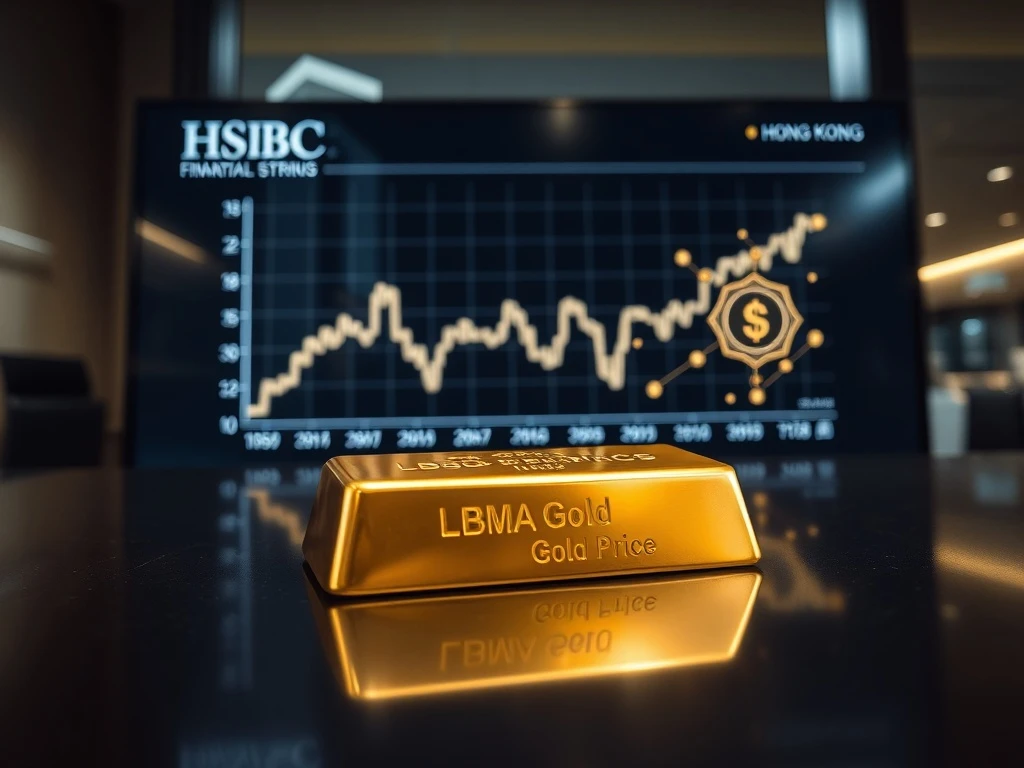
Hong Kong, January 29, 2025 – Hang Seng Investment Management has launched a pioneering physical gold exchange-traded fund (ETF) that includes a groundbreaking tokenization option, marking a significant convergence of traditional commodity investment and blockchain technology. The Hang Seng Gold ETF (ticker 3170) began trading on the Hong Kong Stock Exchange today, offering investors direct exposure to London-set gold prices with physical backing stored in Hong Kong vaults under HSBC’s custodianship. This development represents a strategic move within Asia’s financial hub to bridge conventional asset management with emerging digital finance infrastructure.
Hang Seng Gold ETF Structure and Market Position
The newly launched fund tracks the LBMA Gold Price, the globally recognized benchmark for gold valuation established in London. Each unit of the ETF represents direct ownership in physical gold bullion, which Hang Seng Investment Management stores in a high-security Hong Kong vault. HSBC, one of the world’s largest custodial banks, manages the physical assets, providing institutional-grade security and trust mechanisms. Consequently, investors gain exposure to gold price movements without the logistical challenges of physical storage.
Market analysts immediately recognized the ETF’s strategic timing. Hong Kong has actively positioned itself as a digital asset hub, with regulatory frameworks evolving to accommodate tokenized securities. The Hong Kong Monetary Authority (HKMA) and Securities and Futures Commission (SFC) have implemented progressive guidelines for virtual asset service providers since 2023. Therefore, Hang Seng’s product aligns perfectly with regional financial development goals.
Comparative Analysis with Existing Gold Products
Traditional gold ETFs typically offer only paper-based exposure without digital innovation. By contrast, the Hang Seng Gold ETF introduces a dual-path structure. Investors initially access gold through conventional exchange trading while awaiting the tokenization feature’s regulatory approval. This approach creates a unique market position between established commodity funds and purely digital gold tokens.
| Product Type | Physical Backing | Digital Features | Custodian | Trading Venue |
|---|---|---|---|---|
| Hang Seng Gold ETF | Yes (Hong Kong vault) | Tokenization pending | HSBC | Hong Kong Stock Exchange |
| Traditional Gold ETF | Yes (Various locations) | None | Multiple banks | Global exchanges |
| Digital Gold Tokens | Sometimes | Blockchain-native | Specialized custodians | Crypto exchanges |
| Physical Gold Bullion | Direct ownership | None | Personal storage | Bullion dealers |
Tokenization Feature and Regulatory Landscape
The most innovative aspect of this ETF involves its planned tokenization capability. Tokenization converts ownership rights into digital tokens on a blockchain, enabling fractional ownership, enhanced liquidity, and potentially 24/7 trading. However, this feature remains inactive pending regulatory approval from Hong Kong authorities. Financial regulators globally have approached tokenized traditional assets with cautious optimism, balancing innovation with investor protection concerns.
Hong Kong’s regulatory environment has evolved significantly. The SFC implemented its Type 9 license for asset management of virtual assets in 2023, creating a pathway for regulated tokenized products. Furthermore, the HKMA’s Project Ensemble in 2024 explored wholesale central bank digital currency applications for tokenized assets. These developments create a supportive backdrop for Hang Seng’s tokenization ambitions.
Industry experts highlight several potential benefits of tokenized gold:
- Enhanced Accessibility: Smaller investment increments through fractional tokens
- Improved Liquidity: Potential for secondary trading on digital platforms
- Transparency: Blockchain-enabled audit trails for gold provenance
- Operational Efficiency: Reduced settlement times and administrative costs
Security Architecture and Custodial Framework
HSBC’s role as custodian provides critical institutional credibility. The bank operates dedicated precious metals vaults in Hong Kong with insurance, regular audits, and compliance with international standards. For the tokenization component, industry observers anticipate a hybrid custody model. Physical gold remains in HSBC vaults while digital tokens represent ownership on a permissioned blockchain, possibly utilizing Hong Kong’s growing digital infrastructure initiatives.
Market Impact and Strategic Implications
The launch occurs during a period of renewed gold interest among institutional investors. Central bank gold purchases reached record levels in 2024, while geopolitical uncertainties increased gold’s appeal as a safe-haven asset. Hong Kong’s position as a gateway between mainland Chinese capital and international markets makes this ETF particularly significant. Mainland investors, through mechanisms like Stock Connect programs, may eventually access this product, creating substantial potential demand.
Financial technology analysts identify broader implications:
- Traditional Finance Adoption: Major asset managers exploring tokenization
- Regulatory Precedent: Hong Kong potentially setting standards for Asia
- Competitive Response: Other Asian financial centers likely developing similar products
- Investor Education: Bridging knowledge gaps between conventional and digital finance
Market data from the Hong Kong Exchange shows growing ETF participation. Total ETF assets under management in Hong Kong exceeded $50 billion in 2024, with commodity ETFs representing a rapidly expanding segment. The Hang Seng Gold ETF enters this evolving landscape with first-mover advantages in tokenization integration.
Timeline of Development and Future Roadmap
Hang Seng Investment Management began developing this product in early 2024, following extensive market research and regulatory consultations. The conventional ETF component received approval through standard SFC processes for collective investment schemes. The tokenization feature underwent separate review under Hong Kong’s virtual asset frameworks. Industry sources suggest approval could occur within 2025, depending on regulatory comfort with technical implementation details.
The future roadmap likely involves several phases:
- Conventional ETF trading establishment and liquidity building
- Regulatory approval for tokenization feature
- Technical integration with blockchain infrastructure
- Potential expansion to other precious metals or commodities
- Exploration of interoperability with other digital asset platforms
Conclusion
The Hang Seng Gold ETF represents a significant innovation in commodity investment, combining the established security of physically-backed gold with the forward-looking potential of blockchain tokenization. This product reflects Hong Kong’s strategic positioning as a financial hub embracing both traditional and digital finance. While the tokenization feature awaits regulatory approval, its mere inclusion signals a transformative direction for asset management. The ETF’s success will depend on investor adoption, regulatory developments, and technological implementation, but its launch undoubtedly marks a milestone in the convergence of conventional and digital assets. As markets evolve, the Hang Seng Gold ETF may become a model for how traditional finance integrates blockchain capabilities while maintaining institutional standards of security and compliance.
FAQs
Q1: What makes the Hang Seng Gold ETF different from other gold ETFs?
The Hang Seng Gold ETF uniquely combines physical gold backing stored in Hong Kong with a planned tokenization feature that will represent ownership on a blockchain, pending regulatory approval. This dual approach bridges traditional commodity investment with digital asset innovation.
Q2: When will the tokenization feature be available?
The tokenization feature is not yet active and awaits regulatory approval from Hong Kong authorities. While no specific timeline exists, industry observers suggest potential activation within 2025, depending on regulatory review processes and technical implementation readiness.
Q3: How is the physical gold secured?
HSBC acts as custodian, storing the physical gold bullion in a high-security vault in Hong Kong. The arrangement includes insurance, regular independent audits, and compliance with international precious metals storage standards, providing institutional-grade security.
Q4: Can international investors access this ETF?
Yes, the ETF trades on the Hong Kong Stock Exchange under ticker 3170, accessible to both local and international investors through appropriate brokerage channels. International investors should consult tax implications and trading access specific to their jurisdictions.
Q5: What are the risks associated with the tokenization feature?
Potential risks include regulatory delays or changes, technological implementation challenges, cybersecurity concerns, and market acceptance uncertainties. The conventional ETF structure operates independently, so tokenization represents an additional feature rather than a fundamental requirement for the gold investment itself.