Coinbase Jupiter Integration Unlocks Revolutionary On-Chain Solana Token Trading
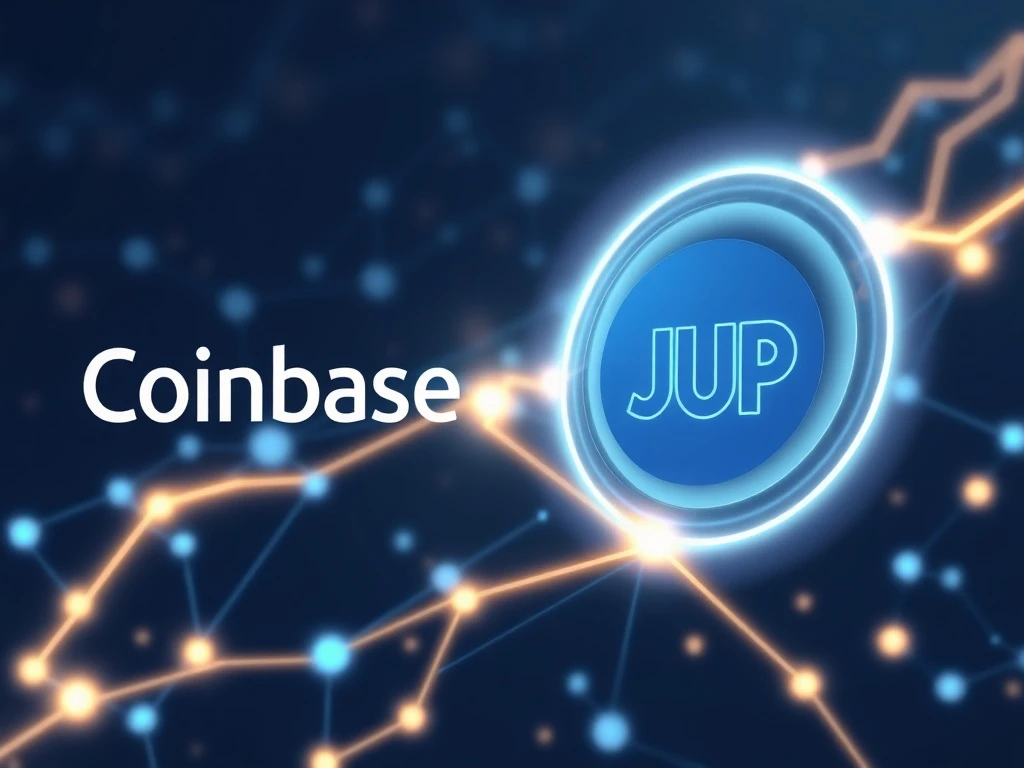
In a landmark move for decentralized finance accessibility, Coinbase has integrated with the Solana-based decentralized exchange aggregator Jupiter, fundamentally changing how users trade Solana-based tokens. This strategic partnership, announced in early 2025, enables direct on-chain trading of hundreds of Solana ecosystem assets directly through the Coinbase platform. Consequently, users can now leverage Jupiter’s aggregated liquidity from multiple Solana DEXs while maintaining the familiar interface of a major centralized exchange. This integration represents a significant bridge between centralized and decentralized finance infrastructures.
Coinbase Jupiter Integration Transforms Solana Trading
The Coinbase Jupiter integration establishes a new paradigm for cryptocurrency trading. Specifically, Jupiter functions as the execution layer, aggregating liquidity from leading Solana decentralized exchanges like Orca, Raydium, and Serum. Therefore, users benefit from optimal pricing and reduced slippage on their trades. The feature supports trading directly from a user’s Coinbase balance or from a connected self-custody wallet, such as a Phantom or Solflare wallet. This hybrid model offers unprecedented flexibility. Moreover, transactions settle directly on the Solana blockchain, ensuring transparency and finality. Industry analysts view this as a critical step toward a more interconnected crypto ecosystem.
Technical Mechanics and On-Chain Execution
Understanding the technical flow clarifies the integration’s innovation. When a user initiates a trade, Coinbase’s interface sends the order parameters to Jupiter’s smart contract infrastructure. Subsequently, Jupiter’s routing algorithm scans all integrated Solana DEXs to find the best possible execution path. This process considers price, liquidity depth, and network fees. After identifying the optimal route, the transaction executes directly on the Solana blockchain. The user’s assets move from their source wallet to the destination address through the decentralized exchange’s liquidity pools. Importantly, Coinbase does not custody the assets during this on-chain settlement phase when using a self-custody wallet. This mechanism preserves the decentralized nature of the trade while providing a centralized point of entry.
Expert Analysis: A Strategic Bridge for Liquidity
Blockchain infrastructure experts highlight the strategic importance of this move. “This is less about competition and more about symbiosis,” noted Dr. Anya Petrova, a fintech researcher at Stanford University. “Coinbase taps into the deep, composable liquidity of the Solana DeFi ecosystem without needing to list and custody each asset individually. Simultaneously, Jupiter and Solana DEXs gain exposure to Coinbase’s massive retail user base.” Data from Dune Analytics shows Solana’s DeFi total value locked (TVL) has grown consistently, making its liquidity pools increasingly attractive. This integration effectively creates a seamless on-ramp for millions of users into Solana’s vibrant application landscape, from gaming tokens to decentralized social media assets.
Comparative Impact on the Crypto Exchange Landscape
This development places Coinbase in a unique competitive position. Traditionally, centralized exchanges (CEXs) like Binance and Kraken have required a formal listing process for each token, which involves due diligence and technical integration. Conversely, decentralized exchanges (DEXs) offer thousands of tokens but often present a steeper learning curve. The Coinbase-Jupiter model hybridizes these approaches. The table below illustrates the key differences:
| Feature | Traditional CEX Listing | Direct DEX Access | Coinbase + Jupiter Model |
|---|---|---|---|
| Asset Access | Curated, limited list | Permissionless, vast | Broad via aggregation |
| Custody | Exchange-held | Self-custody | Choice of both |
| Liquidity Source | Internal order book | Individual DEX pools | Aggregated DEX pools |
| User Experience | Simple, familiar | Complex, fragmented | Simple front-end, complex back-end |
This structure could pressure other major exchanges to develop similar hybrid solutions. Furthermore, it may accelerate the trend of “CeDeFi” (Centralized Decentralized Finance) products.
Future Roadmap and Broader Ecosystem Implications
Coinbase’s announcement included a forward-looking roadmap. The company plans to expand the range of supported Solana-based assets and introduce more robust on-ramp and off-ramp services for these tokens. Essentially, this could allow users to fund their wallets with fiat currency to trade a Solana meme coin or NFT project token instantly, without that asset being formally “listed” on Coinbase’s primary market. The implications are profound for token projects. Projects can gain exposure to a vast market without navigating a lengthy exchange listing process. However, this also raises questions about investor protection and the due diligence typically associated with CEX listings. Regulatory observers will monitor how this model aligns with evolving compliance frameworks in different jurisdictions.
Real-World Context and Market Response
The integration occurs within a specific market context. Solana has demonstrated strong recovery and technological resilience following the 2022 network outages, with its throughput and low fees attracting developers. Jupiter, as Solana’s leading DEX aggregator, routinely processes over a billion dollars in weekly volume. By partnering with Jupiter, Coinbase accesses this established, efficient liquidity network. Early data from the integration’s limited rollout shows increased trading volume for mid-cap Solana tokens. Market analysts suggest this could improve liquidity depth across the entire Solana DeFi sector, potentially reducing volatility for smaller assets. The move is also seen as a validation of Solana’s technical infrastructure as a viable home for institutional-grade DeFi products.
Conclusion
The Coinbase Jupiter integration for on-chain Solana token trading marks a pivotal convergence of centralized and decentralized finance. It provides users with a simplified gateway to a vast array of digital assets while leveraging the efficiency and liquidity of decentralized protocols. This model enhances choice, promotes self-custody options, and could significantly broaden access to the Solana ecosystem. As Coinbase expands its on- and off-ramp services, the line between exchange types will continue to blur. Ultimately, this development underscores the industry’s trajectory toward more open, interconnected, and user-centric financial systems, with the Coinbase Jupiter integration serving as a foundational blueprint.
FAQs
Q1: What does the Coinbase and Jupiter integration actually do?
A1: It allows Coinbase users to trade Solana-based tokens directly on-chain. Jupiter aggregates prices and liquidity from multiple Solana decentralized exchanges (DEXs) and executes the trade, which settles on the Solana blockchain. Users can trade from their Coinbase balance or a connected self-custody wallet.
Q2: Do I need a separate wallet to use this feature?
A2: Not necessarily. You can trade directly using the cryptocurrency balance in your Coinbase account. However, for true self-custody, you can connect a compatible Solana wallet like Phantom or Solflare. This gives you direct control over your assets during the trade.
Q3: How is this different from a normal Coinbase listing?
A3: A formal Coinbase listing involves the exchange custodying the asset and creating its own market. This integration bypasses that process. Coinbase does not custody every individual Solana token. Instead, it provides an interface to trade tokens that exist and have liquidity on Solana DEXs, with execution handled by Jupiter.
Q4: Are there any risks associated with this type of trading?
A4: Yes. Trading via decentralized liquidity pools carries different risks than trading on a centralized order book. These include smart contract risk on the underlying DEXs, potential for higher slippage on illiquid tokens, and the immutable nature of on-chain transactions. It’s crucial to understand these differences.
Q5: What does this mean for the future of Solana and other blockchains?
A5: This integration is a major vote of confidence in Solana’s DeFi ecosystem. It provides a massive user funnel from Coinbase. Success could prompt similar integrations for other high-performance blockchains like Avalanche or Polygon, further bridging the gap between centralized platforms and decentralized application networks.