DOJ Crypto Unit Shutdown Sparks Fierce Senate Scrutiny Amid Record Illicit Activity Surge
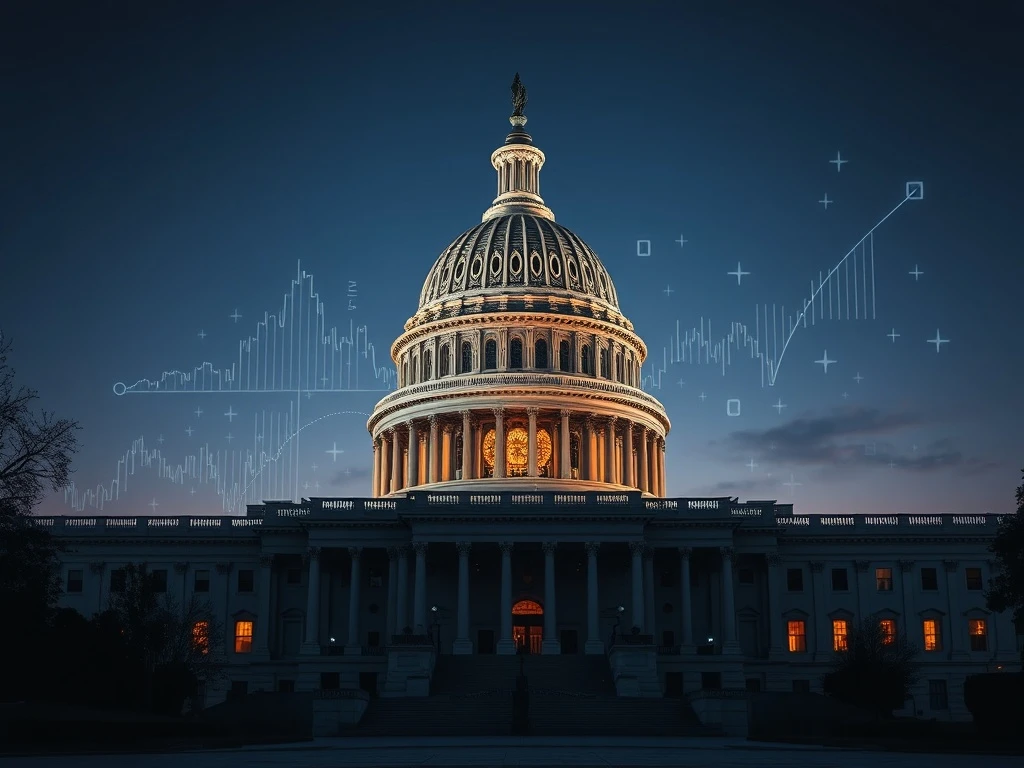
WASHINGTON, D.C. — January 28, 2026: A bipartisan group of six U.S. senators has launched a formal challenge against Deputy Attorney General Todd Blanche, questioning his controversial decision to disband the Department of Justice’s cryptocurrency enforcement team while simultaneously holding substantial cryptocurrency investments. This confrontation emerges against a troubling backdrop of record-breaking illicit crypto activity, which surged by 162% in 2025 according to blockchain analytics firm TRM Labs, reaching an unprecedented $158 billion.
DOJ Crypto Unit Shutdown Faces Bipartisan Senate Opposition
Deputy Attorney General Todd Blanche officially dissolved the DOJ’s National Cryptocurrency Enforcement Team (NCET) in April 2025, just three months after President Donald Trump’s inauguration. The enforcement unit, originally established in 2022 under the Biden administration, had spearheaded major investigations including the landmark case against Binance and its founder Changpeng “CZ” Zhao. Blanche defended his decision by asserting that the Justice Department should not function as a “digital assets regulator,” criticizing what he described as the previous administration’s “reckless strategy of regulation by prosecution.”
However, Senators Mazie K. Hirono (D-HI), Elizabeth Warren (D-MA), Richard Durbin (D-IL), Sheldon Whitehouse (D-RI), Christopher A. Coons (D-DE), and Richard Blumenthal (D-CT) have raised serious concerns about both the timing and circumstances surrounding this decision. Their January 28 letter to Blanche highlights what they characterize as a “glaring conflict of interest” that potentially violates federal ethics statutes.
The Conflict of Interest Allegations
Financial disclosure documents reveal that Blanche declared cryptocurrency holdings valued between $158,000 and $470,000 just days before President Trump’s January 21, 2025 inauguration. These holdings consisted primarily of Bitcoin (BTC) and Ethereum (ETH). Although Blanche agreed to divest these assets “as soon as practicable” by February 10, 2025, he did not complete the sale until May 31—nearly two months after his March 5 appointment and a full month after issuing the April 7 memo that dismantled the crypto enforcement team.
The senators’ letter states unequivocally: “The fact that you held substantial amounts of cryptocurrency at the time you made this decision calls into question your own motivations.” They further argue that Blanche “should have recused himself” and that his actions may constitute a violation of 18 U.S.C. § 208(a), which prohibits federal employees from participating in matters affecting their personal financial interests.
Record Illicit Crypto Activity in 2025
The senators’ concerns gain additional urgency from recently released 2025 cryptocurrency crime statistics. TRM Labs data shows a dramatic 145% increase in illicit crypto activity from 2024 levels, with criminals stealing $2.87 billion through approximately 150 separate hacks. This surge was primarily driven by increased cryptocurrency receipts by sanctioned entities, though most categories of crypto-related crime showed significant growth.
Key 2025 Illicit Activity Statistics:
- Total illicit cryptocurrency volume: $158 billion
- Year-over-year increase: 162%
- Funds stolen through hacks: $2.87 billion
- Number of major hacks: Approximately 150
- Primary drivers: Sanctioned entities, human trafficking, violent crime
In their earlier April 10 letter, the senators warned that dismantling the enforcement unit represented “grave mistakes that will support sanctions evasion, drug trafficking, scams, and child sexual exploitation.” They emphasized that “it makes no sense for the DOJ to announce a hands-off approach to tools that are being used to support such terrible crimes.”
Historical Context of Crypto Enforcement
The NCET’s creation in 2022 marked a significant escalation in federal cryptocurrency enforcement capabilities. The unit consolidated expertise from across the Justice Department, including prosecutors with backgrounds in money laundering, cybersecurity, and financial fraud. During its three-year existence, the team played crucial roles in several high-profile cases:
| Case | Year | Outcome |
|---|---|---|
| Binance Investigation | 2023 | Exchange pleaded guilty to AML violations; $4.3 billion settlement |
| FTX Collapse Probe | 2023-2024 | Multiple executives charged with fraud |
| North Korean Crypto Thefts | 2024 | Disrupted multiple laundering networks |
| Ransomware Payment Tracking | 2024 | Recovered millions in cryptocurrency payments |
Political and Regulatory Implications
The controversy surrounding the NCET’s dissolution reflects broader tensions in U.S. cryptocurrency policy. President Trump’s pro-crypto campaign rhetoric contrasted sharply with the Biden administration’s more enforcement-oriented approach. This shift has created uncertainty within both the cryptocurrency industry and law enforcement communities about the federal government’s long-term regulatory stance.
Legal experts note that the conflict of interest allegations against Blanche represent more than just procedural concerns. Former federal prosecutor Sarah Johnson, now a Georgetown University law professor, explains: “The timing here creates serious perception problems. When a government official makes decisions affecting an asset class they personally hold, even if divestment is planned, it undermines public confidence in the decision-making process.”
The senators’ letter specifically questions whether the enforcement team’s dissolution was motivated by legitimate policy considerations or by Blanche’s personal financial interests. They have requested detailed documentation regarding the decision-making process, including all communications and analyses that preceded the April 7 memo.
Broader Impact on Crypto Regulation
This confrontation occurs alongside ongoing congressional debates about cryptocurrency market structure. Several senators are currently weighing amendments to proposed crypto legislation that would clarify regulatory jurisdiction between the Securities and Exchange Commission (SEC) and the Commodity Futures Trading Commission (CFTC). The DOJ’s enforcement retreat has created what some experts describe as a “regulatory vacuum” that state authorities and other federal agencies are now scrambling to fill.
Blockchain analytics companies have reported increased demand from state attorneys general and financial regulators seeking to bolster their own cryptocurrency investigation capabilities. Meanwhile, international coordination on crypto crime has become more challenging without a dedicated federal enforcement team serving as the primary U.S. liaison.
Conclusion
The Senate challenge to the DOJ crypto unit shutdown represents a significant development in U.S. cryptocurrency policy and enforcement. As illicit crypto activity reaches record levels, the elimination of a specialized enforcement team raises serious questions about the federal government’s capacity to combat cryptocurrency-related crime. The conflict of interest allegations against Deputy Attorney General Blanche add another layer of complexity to an already contentious policy decision. Ultimately, this confrontation highlights the growing tension between political shifts in cryptocurrency regulation and the practical realities of law enforcement in an increasingly digital financial landscape. The DOJ crypto unit shutdown may have far-reaching consequences for years to come.
FAQs
Q1: What was the DOJ’s National Cryptocurrency Enforcement Team?
The NCET was a specialized unit within the Department of Justice created in 2022 to investigate and prosecute complex cryptocurrency crimes. It brought together prosecutors with expertise in cybersecurity, money laundering, and financial fraud to handle cases involving digital assets.
Q2: Why are senators concerned about Todd Blanche’s cryptocurrency holdings?
Senators allege that Blanche held between $158,000 and $470,000 in cryptocurrency when he made the decision to disband the enforcement team. They argue this created a conflict of interest since his decision could potentially affect the value of his personal crypto investments.
Q3: How much did illicit cryptocurrency activity increase in 2025?
According to TRM Labs data, illicit crypto activity surged by 162% in 2025, reaching $158 billion. This increase was driven primarily by cryptocurrency receipts by sanctioned entities, though most categories of crypto crime showed significant growth.
Q4: What major cases did the NCET handle before its dissolution?
The team played key roles in investigating Binance and its founder Changpeng Zhao (resulting in a guilty plea to AML violations), probing the FTX collapse, disrupting North Korean crypto theft operations, and tracking ransomware payments.
Q5: What happens next in this Senate investigation?
The six senators have requested detailed documentation from Deputy Attorney General Blanche regarding the decision-making process. They may hold hearings, issue subpoenas, or propose legislation to reestablish cryptocurrency enforcement capabilities if they find the dissolution was improperly motivated.