Google Play Crypto Apps Defy South Korea’s Regulatory Crackdown: Unregistered Exchanges Remain Accessible
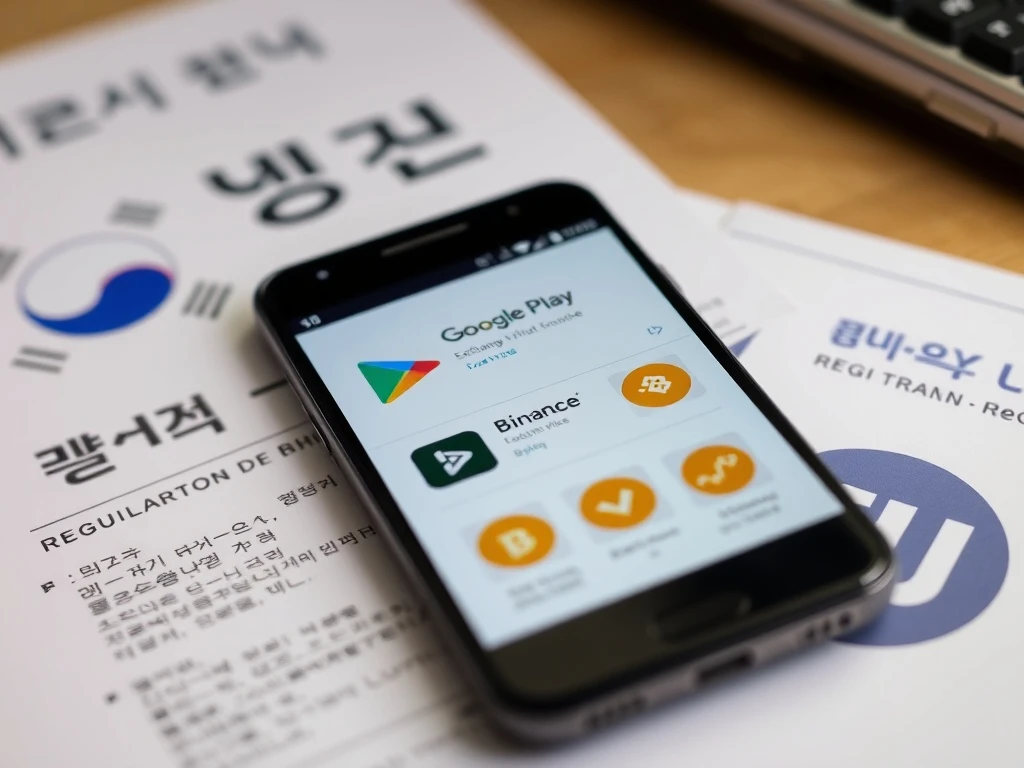
SEOUL, South Korea – February 2025: A critical deadline for cryptocurrency regulation has passed with significant non-compliance, as unregistered crypto exchange applications continue to operate on the Google Play Store. Despite a clear mandate from South Korea’s Financial Intelligence Unit (FIU) for removal starting January 28, major offshore platforms including Binance, Bybit, and Bitget remain fully accessible for download and updates. This situation creates a substantial gap between regulatory intent and digital enforcement, raising urgent questions about app store governance and cross-border financial oversight in the rapidly evolving crypto sector.
Google Play Crypto Apps Face Regulatory Scrutiny
The core issue centers on South Korea’s strict regulatory framework for virtual asset service providers (VASPs). Consequently, all exchanges operating in or targeting the Korean market must register with the FIU. This registration process involves rigorous anti-money laundering (AML) and know-your-customer (KYC) compliance checks. Furthermore, the FIU explicitly notified Google of its obligation to delist non-compliant applications from its Korean Play Store. The January 28 deadline represented a key enforcement milestone in the country’s broader effort to protect investors and ensure market integrity.
However, the planned delisting has not materialized as expected. A routine check of the Google Play Store in South Korea confirms the ongoing availability of these major exchange apps. This persistence highlights a complex challenge in global tech regulation. While authorities can dictate rules within their jurisdiction, enforcing them on multinational app store operators involves intricate legal and technical processes. The delay also suggests potential gaps in communication or enforcement mechanisms between national regulators and global tech platforms.
The Stakes of Non-Compliance
The continued presence of these apps carries real-world consequences. First, it undermines the regulatory authority of the FIU and could encourage other exchanges to delay compliance. Second, it exposes Korean users to potential risks associated with unregulated platforms, which may not offer the same consumer protections as registered entities. Third, it creates an uneven playing field, disadvantaging compliant domestic exchanges like Upbit and Bithumb that follow strict local rules. This regulatory asymmetry can distort market competition and consumer choice.
South Korea FIU Regulations and Enforcement Challenges
South Korea established its comprehensive regulatory regime for cryptocurrencies following the market turbulence of previous years. The Specific Financial Information Act provides the legal basis for FIU oversight. Under this act, the FIU requires exchanges to partner with local banks for real-name verification accounts and maintain robust security systems. The regulator’s move to target app stores represents a strategic effort to control access points for Korean consumers. By focusing on distribution channels, authorities aim to create a more effective compliance barrier than pursuing each foreign entity individually.
Nevertheless, enforcement relies heavily on cooperation from international corporations like Google. The tech giant must navigate a complex web of global policies, local laws, and its own developer terms of service. For instance, Google may require formal legal documentation or court orders before removing applications at a government’s request. Additionally, the company might be conducting internal reviews to verify the FIU’s claims against each specific developer. This procedural diligence, while standard for a multinational corporation, inevitably causes delays that regulators may perceive as non-compliance.
The table below outlines the key exchanges affected and their status:
| Exchange | Global Ranking | FIU Registration Status | Current Google Play Availability in South Korea |
|---|---|---|---|
| Binance | #1 | Unregistered | Available |
| Bybit | Top 10 | Unregistered | Available |
| Bitget | Top 10 | Unregistered | Available |
| Upbit (Domestic) | #1 in South Korea | Fully Registered | Available |
Binance Delisting Deadline Passes Without Action
The case of Binance, the world’s largest cryptocurrency exchange by trading volume, is particularly significant. The platform has faced regulatory challenges in multiple jurisdictions, including the United States and the United Kingdom. Its continued presence on the Korean Play Store after the FIU deadline signals a potential standoff. Industry analysts note that Binance may be pursuing last-minute registration efforts or legal appeals. Alternatively, the exchange might be testing the FIU’s enforcement capacity, a common tactic in the nascent regulatory landscape of digital assets.
This inaction has immediate impacts. Korean users can still seamlessly download, update, and use the Binance application. They can deposit funds and trade a wide array of tokens, potentially including those not approved by Korean authorities. This access contradicts the spirit of the FIU’s regulations designed to create a controlled environment. The situation also places Google in a difficult position. The company must balance its role as a neutral platform with its responsibility to adhere to local laws in the countries where it operates.
Key reasons for the delisting delay may include:
- Legal Review Processes: Google’s legal team likely requires time to assess the validity and scope of the FIU’s request.
- Developer Notification: Standard policy may involve notifying app developers and allowing a response period before removal.
- Technical Implementation: Geoblocking apps for a specific country requires precise technical configuration to avoid over-blocking.
- Precedent Setting: Google may be cautious about establishing a precedent for removing apps at a regulator’s request without a judicial order.
Expert Analysis on Regulatory Gaps
Financial technology compliance experts point to this event as a textbook case of the jurisdictional mismatch in digital finance. National regulators possess authority over their citizens and territory but often lack direct leverage over foreign technology infrastructure providers. Professor Kim Jae-hyun, a fintech law specialist at Seoul National University, notes, “The FIU’s directive to Google is an assertive move, but its effectiveness depends entirely on the cooperation of a U.S.-based corporation. This highlights the need for international regulatory treaties specifically addressing digital asset platforms and their distribution channels.” This analysis underscores a systemic challenge beyond this single incident.
Crypto App Compliance and the Future of Digital Finance
The standoff in South Korea reflects a broader global trend. Governments worldwide are struggling to effectively regulate borderless digital asset platforms. App stores have become critical chokepoints in this battle. When authorities successfully mandate delisting, they can significantly reduce casual access to non-compliant services. However, as this case shows, enforcement is not automatic. The outcome will set an important precedent for how other countries, from India to the United Kingdom, might approach similar regulatory actions against unregistered crypto services.
Looking ahead, several developments are likely. First, the FIU may escalate its actions, potentially imposing fines or pursuing legal action to compel Google’s compliance. Second, Google may establish a clearer global policy for handling such government requests related to financial apps. Third, exchanges themselves face a strategic decision: either withdraw from markets with strict regulations or invest the resources necessary to achieve full compliance. The path they choose will shape the geographic availability of crypto services for years to come.
For consumers, the immediate takeaway is the importance of understanding regulatory status. Using an unregistered exchange may seem convenient, but it often means forfeiting governmental dispute resolution and investor protection mechanisms. As the regulatory landscape matures, the convenience of access must be weighed against the security of using a fully licensed and audited platform. This incident serves as a clear reminder that in the world of digital assets, the rules are still being written and enforced in real-time.
Conclusion
The continued presence of unregistered crypto exchange apps on Google Play after South Korea’s FIU deadline reveals a significant friction point in modern financial regulation. It demonstrates the practical challenges of enforcing national laws on global digital platforms. While the FIU’s intent to protect investors is clear, its reliance on third-party cooperation from international corporations like Google introduces complexity and delay. The situation with Binance, Bybit, and Bitget remains fluid, serving as a critical test case for the future of crypto app compliance. The resolution will undoubtedly influence how regulators and tech giants worldwide manage the intersection of innovation, access, and consumer protection in the digital asset ecosystem.
FAQs
Q1: What was the FIU’s deadline for removing unregistered crypto apps from Google Play?
The South Korean Financial Intelligence Unit set a deadline of January 28, 2025, for Google to remove applications of overseas cryptocurrency exchanges that had not registered with the regulator.
Q2: Which major crypto exchanges are still available on Google Play in South Korea despite the order?
As of early February 2025, apps for major offshore exchanges including Binance, Bybit, and Bitget remain available for download and updates on the Google Play Store in South Korea.
Q3: Why is the FIU requiring these crypto exchanges to register?
Registration with the FIU is mandatory under South Korea’s Specific Financial Information Act. It ensures exchanges comply with strict anti-money laundering (AML) protocols, know-your-customer (KYC) rules, and security standards to protect Korean investors.
Q4: What could happen if Google does not comply with the FIU’s delisting order?
The FIU could potentially escalate enforcement actions, which might include imposing fines on Google’s local entity, pursuing legal injunctions, or taking other regulatory measures to compel compliance with South Korean law.
Q5: Can South Korean users still legally trade on unregistered exchanges like Binance?
While the apps remain accessible, using an unregistered exchange may violate local regulations and exposes users to risks. Transactions may not be protected by South Korean investor compensation schemes, and users could face difficulties in resolving disputes or recovering funds.