Crypto PAC Fairshake Amasses Staggering $193M War Chest as Industry Gears Up for 2026 Election Battle
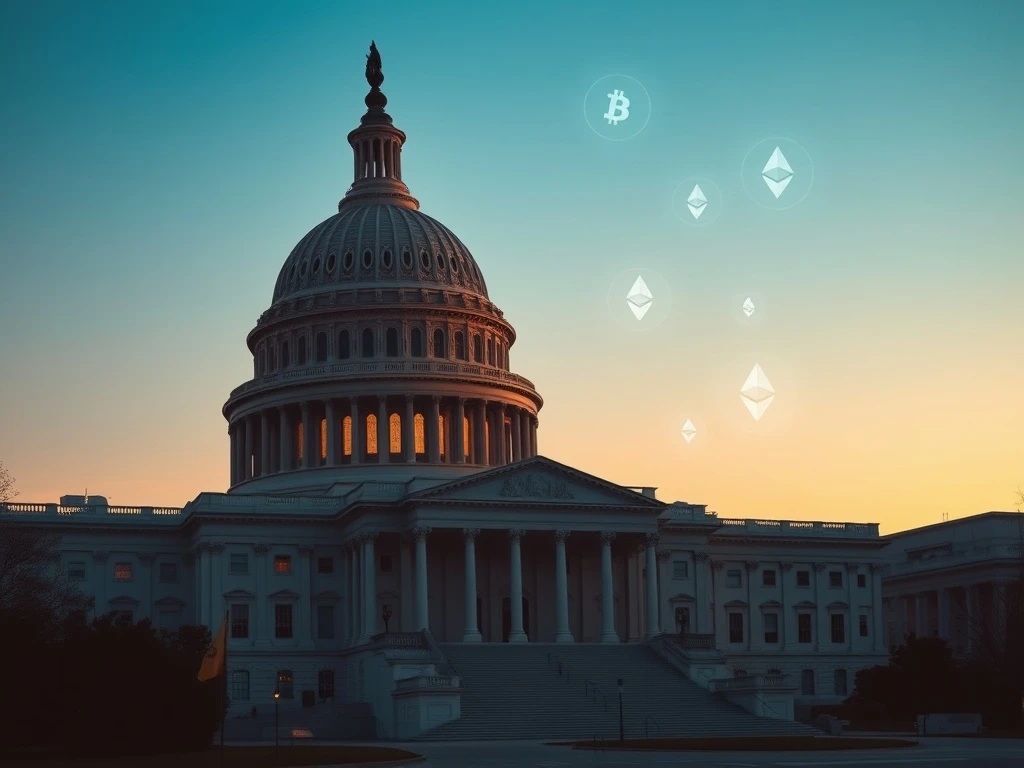
WASHINGTON, D.C. – January 2025. The cryptocurrency industry is mobilizing an unprecedented financial offensive for the upcoming 2026 United States midterm elections. Fairshake, a leading political action committee (PAC) backed by major digital asset firms, now reports holding a colossal $193 million in cash on hand. This staggering sum follows multi-million dollar injections from industry titans like Ripple, Andreessen Horowitz (a16z), and Coinbase, setting the stage for a high-stakes battle over America’s crypto regulatory future.
Crypto PAC Fairshake’s $193 Million Election War Chest
Fairshake’s disclosed financial position represents a seismic shift in political spending power. The PAC’s cash reserves surged by approximately 37% since its last filing in July 2024. According to spokesperson Josh Vlasto, recent contributions include $25 million from Ripple Labs, $24 million from venture capital firm a16z, and a separate $25 million commitment from Coinbase in 2025. Consequently, this funding influx demonstrates the industry’s coordinated strategy to influence electoral outcomes.
Federal Election Commission (FEC) filings will eventually confirm the exact figure. However, Vlasto’s announcement to Crypto News Insights provides a clear snapshot of intent. “With the midterms approaching, we are united behind our mission,” Vlasto stated. He emphasized Fairshake’s goal to oppose “anti-crypto politicians” and support “pro-crypto leaders” to protect consumers and foster American innovation.
The Escalating Political Arms Race in Digital Assets
Fairshake’s massive fund is not an isolated phenomenon. Instead, it signals a broader trend of crypto capital flowing into the political arena. In the 2024 election cycle, Fairshake alone spent over $130 million on media campaigns. The PAC’s strategy involved supporting candidates favorable to digital assets while opposing those perceived as hostile. Looking ahead, Vlasto confirmed the committee is “keeping [its] foot on the gas” for the 2025 and 2026 races.
Several other industry-aligned groups have emerged with significant resources. For instance, the Fellowship PAC claims a $100 million fund to back “pro-innovation, pro-crypto” candidates. Similarly, entities linked to exchanges Gemini and Crypto.com contributed $21 million to a Super PAC supporting former President Donald Trump. Notably, Kraken exchange committed $2 million to similar efforts in September 2024.
Understanding the PAC Landscape and ‘Dark Money’
Political Action Committees operate under strict FEC regulations. They raise money to advocate for or against candidates, ballot measures, and legislation. Fairshake operates alongside affiliates Defend American Jobs and Protect Progress. Josh Vlasto also represents the AI-focused Leading the Future PAC and the Cedar Innovation Foundation. Importantly, the latter is a “dark money” group, meaning it does not publicly disclose its donors, adding a layer of opacity to the funding landscape.
Key 2026 Races and Regulatory Stakes
The 2026 elections will feature several contests crucial for crypto policy. Former Ohio Senator Sherrod Brown, who lost his seat in 2024, may run again. His stance on financial regulation will be closely watched. Additionally, lawyer John Deaton, a frequent advocate for XRP holders, announced another Senate run after his 2024 loss to incumbent Elizabeth Warren. These races could directly impact legislative committees that draft digital asset laws.
The core debate centers on how the United States will regulate cryptocurrencies, stablecoins, and blockchain technology. Pro-crypto advocates argue for clear, innovation-friendly frameworks. Conversely, critics emphasize consumer protection and financial stability risks. Therefore, the outcome of these elections could determine whether the U.S. adopts a supportive or restrictive regulatory posture for the next decade.
| PAC / Group | Reported Funds / Contribution | Key Backers / Notes |
|---|---|---|
| Fairshake | $193M (cash on hand) | Ripple, a16z, Coinbase |
| The Fellowship PAC | $100M | Supports “pro-crypto” candidates |
| Pro-Trump Super PAC | $21M | Funds from Gemini, Crypto.com entities |
| Freedom Fund PAC | $2M+ | Kraken exchange commitment |
Historical Context and Future Projections
The 2024 election cycle provided a blueprint for crypto PAC strategy. Fairshake’s $130 million expenditure established its influence. Furthermore, the group has already been active in 2025, spending over $2 million on special congressional elections in Virginia and Florida. Analysts expect spending to intensify as November 2026 approaches. This financial commitment mirrors the growth of the crypto industry itself, which now represents a multi-trillion dollar asset class seeking political legitimacy.
Expert observers note that such spending aims to shape the membership of key committees like Senate Banking and House Financial Services. Ultimately, these bodies draft the laws governing digital assets. The industry’s goal is to elect lawmakers who understand blockchain technology and favor proportionate regulation. Conversely, the substantial funds also draw scrutiny from campaign finance reformers and industry skeptics.
Conclusion
The Crypto PAC Fairshake’s $193 million treasury marks a pivotal moment in the intersection of finance, technology, and politics. As the 2026 midterm elections draw closer, this war chest will fuel a sophisticated campaign to shape the U.S. regulatory landscape for digital assets. The outcome will significantly influence whether the United States becomes a hub for crypto innovation or adopts a more cautious, restrictive approach. The massive industry donations underscore the high stakes for all participants in the evolving digital economy.
FAQs
Q1: What is Fairshake?
Fairshake is a political action committee (PAC) funded primarily by the cryptocurrency industry. Its stated mission is to support political candidates who favor innovation-friendly digital asset policies and oppose those deemed “anti-crypto.”
Q2: Where did Fairshake’s $193 million come from?
The funds come from large donations by major crypto companies. Key disclosed contributors include Ripple Labs ($25M), venture firm Andreessen Horowitz (a16z) ($24M), and cryptocurrency exchange Coinbase ($25M in 2025).
Q3: Why are crypto companies spending so much on elections?
The industry seeks to influence upcoming legislation and regulation. With major debates over how to regulate digital assets occurring in Congress, companies are investing to support lawmakers who align with their vision for the industry’s future in the United States.
Q4: What is a “dark money” group in this context?
Josh Vlasto, Fairshake’s spokesperson, also represents the Cedar Innovation Foundation. This is a “dark money” group tied to the crypto industry, meaning it is not required to publicly disclose its donors, unlike traditional PACs which must file regular reports with the FEC.
Q5: Which upcoming elections are most important for crypto policy?
Key 2026 races include potential Senate runs by former Senator Sherrod Brown and crypto advocate John Deaton. The composition of the Senate and House will determine the leadership and membership of the banking and financial services committees that write relevant laws.