Critical CFTC Amendments Threaten US Crypto Market Structure Bill as Senate Committee Prepares for Pivotal Vote
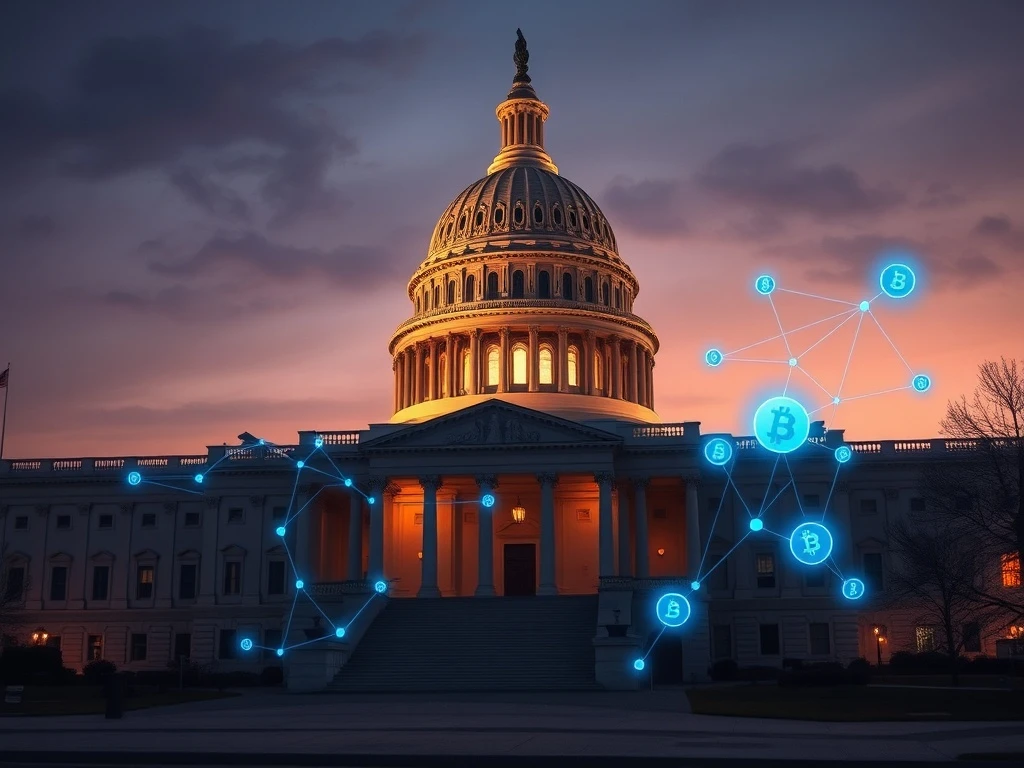
WASHINGTON, D.C., February 2025 – The United States Senate faces a critical juncture in cryptocurrency regulation this week as lawmakers prepare to debate substantial amendments to the long-awaited Digital Commodity Intermediaries Act (DCIA), with particular focus on proposed changes to the Commodity Futures Trading Commission’s (CFTC) role and composition that could significantly delay implementation of the landmark legislation.
Crypto Market Structure Bill Faces CFTC Amendment Hurdles
The Senate Agriculture Committee will convene on Thursday for a markup session on the Digital Commodity Intermediaries Act, representing one of the chamber’s first substantial attempts to advance comprehensive digital asset market structure legislation. This development follows the Senate Banking Committee’s postponement of its own markup after Coinbase withdrew support for the bill, creating uncertainty about the legislative path forward.
Among the eleven publicly available amendments, Senator Amy Klobuchar’s proposal regarding CFTC commissioner requirements has emerged as particularly consequential. The Minnesota Democrat’s amendment would prevent the DCIA from taking effect until at least four commissioners are confirmed to lead the CFTC, responding directly to the agency’s current leadership crisis. The financial regulator currently operates with only one Senate-confirmed commissioner following the 2025 resignation of acting chair Caroline Pham and other key members.
This staffing situation raises fundamental questions about the CFTC’s capacity to effectively oversee digital commodity markets. The agency traditionally functions with five commissioners, including one chair position. Currently, only Chair Michael Selig, a Republican appointed by President Donald Trump, remains following Pham’s December departure. Consequently, the CFTC amendment addresses both immediate operational concerns and longer-term regulatory stability questions.
Regulatory Context and Historical Precedents
The CFTC’s diminished capacity comes at a particularly challenging moment for cryptocurrency regulation. Historically, the agency has played a crucial role in overseeing commodity derivatives markets, including Bitcoin futures since their 2017 introduction. However, the rapid expansion of digital asset markets has consistently tested the boundaries of existing regulatory frameworks, creating jurisdictional ambiguities between the CFTC and Securities and Exchange Commission (SEC).
Recent legislative efforts aim to clarify these jurisdictional boundaries through the DCIA’s proposed framework. The bill establishes distinct regulatory roles for the SEC and CFTC concerning digital assets, potentially resolving years of regulatory uncertainty. Nevertheless, the CFTC amendment highlights how institutional capacity constraints could undermine even well-designed regulatory frameworks.
Broader Legislative Landscape and Industry Response
The DCIA markup represents just one component of a complex legislative landscape for cryptocurrency regulation. Lawmakers returned to Capitol Hill on Wednesday following weather-related delays that postponed committee meetings and votes. These delays have compressed the legislative timeline, increasing pressure on committees to advance their respective bills.
Industry stakeholders have expressed mixed reactions to the DCIA’s various provisions. While many welcome the regulatory clarity the bill promises, specific elements have generated significant pushback. The most recent draft, released January 21, includes provisions addressing stablecoin rewards, tokenized equities, decentralized finance platforms, and ethics requirements that have drawn criticism from both lawmakers and industry representatives.
The following table summarizes key amendments proposed for the DCIA markup:
| Amendment Focus | Proposed By | Key Provision |
|---|---|---|
| CFTC Commissioner Requirements | Senator Amy Klobuchar | Delay implementation until 4+ commissioners confirmed |
| Ethics and Industry Engagement | Multiple Senators | Restrict lawmakers/White House officials from crypto engagement |
| Payment Processing Competition | Industry Coalition Proposal | Force companies to compete on credit card swipe fees |
| Foreign Market Interference | Bipartisan Group | Address foreign interference in US digital asset markets |
These amendments reflect diverse concerns ranging from institutional capacity to market competition and national security. The ethics provisions, in particular, respond to growing scrutiny of relationships between policymakers and cryptocurrency industry representatives, aiming to establish clearer boundaries for appropriate engagement.
Comparative Analysis with International Approaches
While US lawmakers debate these amendments, international counterparts have advanced their own regulatory frameworks. The European Union’s Markets in Crypto-Assets (MiCA) regulation, fully implemented in 2024, provides a comprehensive regulatory model that has influenced global standards. Similarly, jurisdictions including Singapore, the United Kingdom, and Japan have developed increasingly sophisticated regulatory approaches to digital assets.
These international developments create both competitive pressure and potential coordination opportunities for US regulators. A delayed or weakened DCIA implementation could affect the United States’ position in the global digital asset ecosystem, potentially ceding regulatory leadership to other jurisdictions. Consequently, the CFTC amendment debate carries implications extending beyond domestic regulatory capacity to encompass international competitiveness considerations.
Implementation Challenges and Regulatory Coordination
The CFTC amendment proposal highlights fundamental implementation challenges facing digital asset regulation. Even if the DCIA passes with clear jurisdictional allocations between the SEC and CFTC, effective enforcement requires adequately staffed and resourced regulatory agencies. The CFTC’s current commissioner shortage exemplifies how institutional constraints can undermine legislative intent.
Furthermore, the amendment debate occurs against a backdrop of ongoing interagency coordination efforts. The Financial Stability Oversight Council (FSOC) has repeatedly emphasized the need for coordinated digital asset regulation across multiple agencies. The DCIA aims to facilitate this coordination by establishing clearer jurisdictional boundaries, but effective implementation requires all participating agencies to maintain sufficient operational capacity.
Key implementation considerations include:
- Staffing and Expertise: Regulatory agencies require specialized expertise to oversee complex digital asset markets effectively
- Rulemaking Timeline: The CFTC would need to develop implementing regulations following DCIA passage
- Enforcement Capacity: Effective regulation requires adequate enforcement resources and authority
- Industry Adaptation: Market participants need clear guidance to adjust their operations accordingly
These factors collectively determine how quickly and effectively regulatory frameworks can translate from legislative text to operational reality. The CFTC amendment directly addresses the first consideration by linking implementation to commissioner confirmations, recognizing that leadership stability fundamentally affects all subsequent implementation steps.
Political Dynamics and Legislative Prospects
The DCIA markup occurs within a complex political environment characterized by divided government and competing legislative priorities. The Senate Agriculture Committee’s actions represent just one step in a multi-committee process that must eventually reconcile with the Banking Committee’s approach to digital asset regulation.
Several factors will influence the legislation’s prospects:
- Committee Coordination: The Agriculture and Banking Committees must eventually consolidate their approaches
- Partisan Dynamics: Digital asset regulation has attracted bipartisan interest but also partisan disagreement
- Industry Influence: Cryptocurrency industry groups maintain active lobbying operations
- Administration Position: The White House has expressed general support for digital asset regulation but specific positions remain unclear
These political considerations will shape how amendments are addressed during Thursday’s markup. The CFTC proposal, while addressing substantive regulatory concerns, also reflects broader political calculations about agency leadership and presidential appointment authority.
Historical Precedents for Regulatory Implementation Delays
The CFTC amendment follows historical patterns where legislative implementation depends on agency capacity. Similar provisions have appeared in financial legislation throughout US history, particularly following the 2008 financial crisis when new regulatory responsibilities were allocated to under-resourced agencies. These historical precedents suggest that implementation delays can significantly affect regulatory effectiveness, sometimes for years following legislation passage.
For digital asset markets, implementation delays could perpetuate existing regulatory uncertainties that have characterized the sector for nearly a decade. Market participants have repeatedly cited regulatory clarity as essential for innovation and investment, making timely implementation particularly important for this emerging sector.
Conclusion
The Senate Agriculture Committee’s consideration of CFTC amendments to the crypto market structure bill represents a pivotal moment for US digital asset regulation. Senator Klobuchar’s proposal linking implementation to commissioner confirmations addresses fundamental concerns about regulatory capacity while potentially creating significant implementation delays. As lawmakers prepare for Thursday’s markup, they must balance the need for regulatory clarity with practical considerations about agency readiness.
The broader legislative landscape remains complex, with multiple committees developing parallel approaches to digital asset regulation. The DCIA’s progression through the Agriculture Committee represents just one component of this multifaceted process. Nevertheless, the CFTC amendment debate highlights how institutional considerations can fundamentally shape regulatory outcomes, reminding stakeholders that effective legislation requires both thoughtful design and practical implementation capacity.
Ultimately, the crypto market structure bill’s fate will depend on how lawmakers navigate these competing considerations during Thursday’s markup and subsequent legislative steps. The outcome will significantly influence the United States’ regulatory approach to digital assets for years to come, affecting market participants, investors, and the broader financial system.
FAQs
Q1: What is the Digital Commodity Intermediaries Act (DCIA)?
The DCIA is proposed legislation that would establish a comprehensive regulatory framework for digital asset markets in the United States, clarifying jurisdictional boundaries between the SEC and CFTC while creating new requirements for market intermediaries.
Q2: Why is the CFTC amendment significant for the crypto market structure bill?
The amendment proposed by Senator Klobuchar would prevent the DCIA from taking effect until at least four CFTC commissioners are confirmed, potentially delaying implementation for months or years given current vacancies and confirmation processes.
Q3: How many commissioners does the CFTC typically have?
The CFTC normally operates with five commissioners, including one chair. Currently, only Chair Michael Selig remains following multiple resignations in late 2024 and early 2025.
Q4: What other amendments are being considered for the DCIA?
Additional amendments address ethics requirements for government officials engaging with the crypto industry, payment processing competition, foreign market interference, and various technical aspects of digital asset regulation.
Q5: How does the DCIA relate to other cryptocurrency legislation in Congress?
The DCIA represents one of several legislative approaches to digital asset regulation moving through different congressional committees. It must eventually be reconciled with other proposals, particularly from the Senate Banking Committee, to create comprehensive legislation.