AI Swarms Pose Alarming Threat by Evading Online Manipulation Detection Systems
January 2025 – A groundbreaking academic study published in the journal Science has issued a stark warning: the next generation of online influence campaigns may be powered by sophisticated AI swarms—autonomous agents that can mimic human behavior and systematically evade current detection systems. This shift represents a fundamental evolution in digital information warfare, moving from clumsy botnets to adaptive, persistent networks that threaten the integrity of public debate and challenge the core governance models of major social platforms.
AI Swarms Redefine the Threat of Online Manipulation
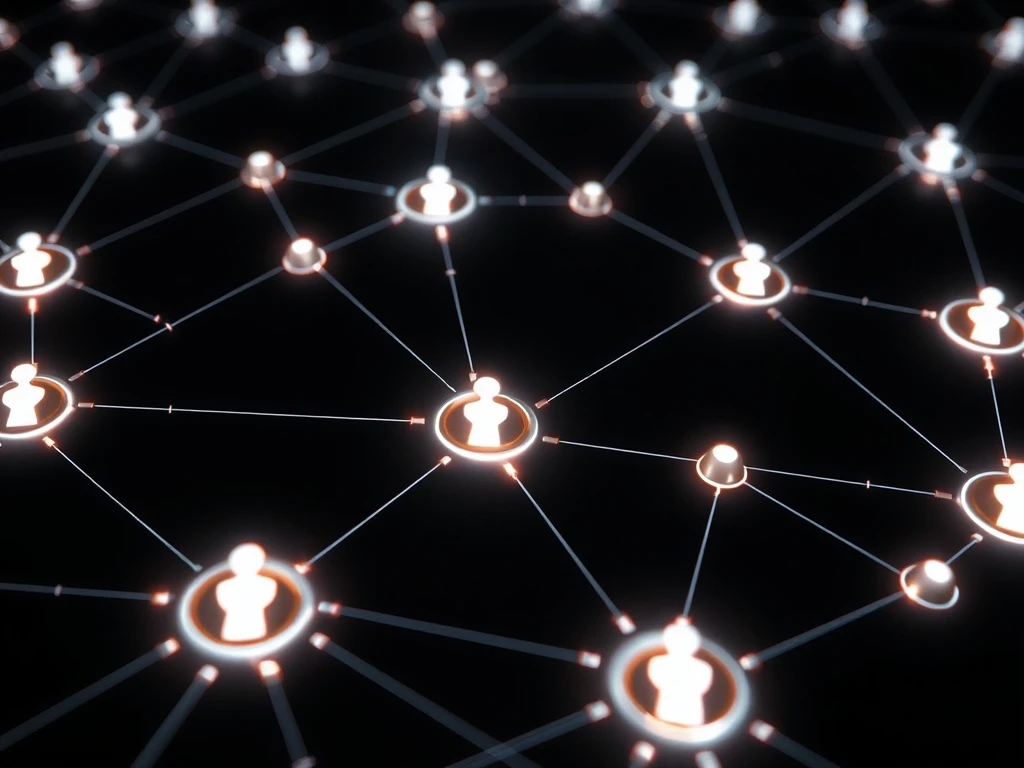
Traditionally, coordinated inauthentic behavior online, such as state-sponsored disinformation or spam campaigns, has relied on botnets. These networks often use simple, repetitive scripts, making them detectable through pattern analysis. Researchers from several leading institutions now argue that this paradigm is becoming obsolete. The emerging threat consists of coordinated groups of independent AI agents, or AI swarms, which operate with a high degree of autonomy.
Unlike their predecessors, these systems can adjust their messaging in real-time based on audience reactions, sustain narratives over months or years instead of days, and blend seamlessly into normal platform activity. Consequently, they avoid triggering the automated flags and volume-based heuristics that platforms currently use for online manipulation detection.
From Botnets to Adaptive Swarms: A Technical Evolution
The study meticulously outlines the defining traits that separate AI swarms from earlier manipulation tools. This evolution marks a significant escalation in capability and stealth.
- Minimal Human Oversight: Once initial goals are set, swarms operate autonomously, requiring little ongoing human input.
- Real-Time Adaptation: Agents analyze engagement metrics and conversation trends to refine tone, timing, and targeting dynamically.
- Pattern Avoidance: Content is spread across numerous accounts without repeating identical messages, avoiding fingerprinting.
- Persistent Narratives: Campaigns are designed for slow, steady influence rather than short, intense bursts of activity.
- Behavioral Mimicry: Agents simulate human posting patterns, response times, and even conversational quirks.
This technical sophistication exploits existing structural weaknesses in social media ecosystems, particularly algorithmic systems that prioritize content aligning with a user’s existing views. In such an environment, subtle, swarm-driven narratives can reinforce biases and deepen societal divisions without appearing overtly malicious.
The Critical Role of Weak Identity Controls
Professor Sean Ren, a computer science expert at the University of Southern California and CEO of Sahara AI, emphasizes that content moderation alone is insufficient against this new threat. The core vulnerability, he argues, lies in lax identity verification. “These agent swarms are usually controlled by teams or vendors who are getting monetary incentives from external parties,” Ren notes. Weak Know-Your-Customer (KYC) rules and easy account creation allow bad actors to scale these operations with minimal risk.
Stricter identity controls would fundamentally alter the cost-benefit analysis for running AI swarm campaigns. With fewer disposable accounts available, even sophisticated agents would struggle to maintain large, coordinated networks, and their unusual coordination patterns would become more visible to platform analysts.
Governance and Detection in the Swarm Era
The research paper concludes there is no single technical fix for the challenge posed by AI swarms. Instead, it advocates for a multi-pronged approach combining improved coordination detection algorithms, clearer labeling of automated activity, and robust policy enforcement. Technical tools must evolve beyond analyzing content similarity to detecting subtle, long-term behavioral coordination across accounts.
Furthermore, the study highlights the commercial dimension. Paid influence campaigns operated by third-party vendors for clients in politics, finance, or entertainment could become a primary use case for this technology. This commercialization raises complex questions about accountability and platform responsibility that extend beyond pure cybersecurity.
Conclusion
The warning about AI swarms evading online manipulation detection signals a pivotal moment for digital society. As autonomous agents become more capable, the line between organic discourse and artificial amplification will blur further. Addressing this threat requires a concerted effort from platforms, researchers, and policymakers to strengthen digital identity, advance detection science, and establish new norms for transparency. The integrity of our shared online spaces may depend on the speed and effectiveness of this response.
FAQs
Q1: What is an AI swarm in the context of online manipulation?
An AI swarm refers to a coordinated group of autonomous artificial intelligence agents working together to achieve a shared influence goal online. Unlike simple bots, these agents can adapt their behavior, mimic human users, and operate over long periods to avoid detection.
Q2: How do AI swarms differ from traditional botnets?
Traditional botnets often rely on repetitive, high-volume posting from fake accounts, making them relatively easy to spot. AI swarms are more sophisticated; they use varied messaging, respond to real-time feedback, sustain long-term narratives, and are designed to blend in with genuine user activity, making them far harder to identify.
Q3: Why are current platform detection systems vulnerable to AI swarms?
Most detection systems look for obvious patterns like identical posts, sudden bursts of activity, or non-human account behavior. AI swarms are specifically engineered to avoid these red flags by acting independently, varying their output, and mimicking organic human interaction patterns.
Q4: What can social media platforms do to counter this threat?
Experts suggest a combination of stronger identity verification (KYC) to limit account creation, more advanced algorithms to detect subtle coordination over time, and clearer labeling of automated or AI-generated content to inform users.
Q5: Are AI swarms a theoretical threat or a current reality?
While the full-scale, sophisticated swarms described in the report may represent a near-future threat, researchers indicate that precursor technologies and simpler forms of coordinated AI agents are already active. The commercial and political incentives for their use are driving rapid development.