Sola SXP Halts Development in Stunning Collapse: Failed Acquisitions and Binance Fund Control Issues Cited
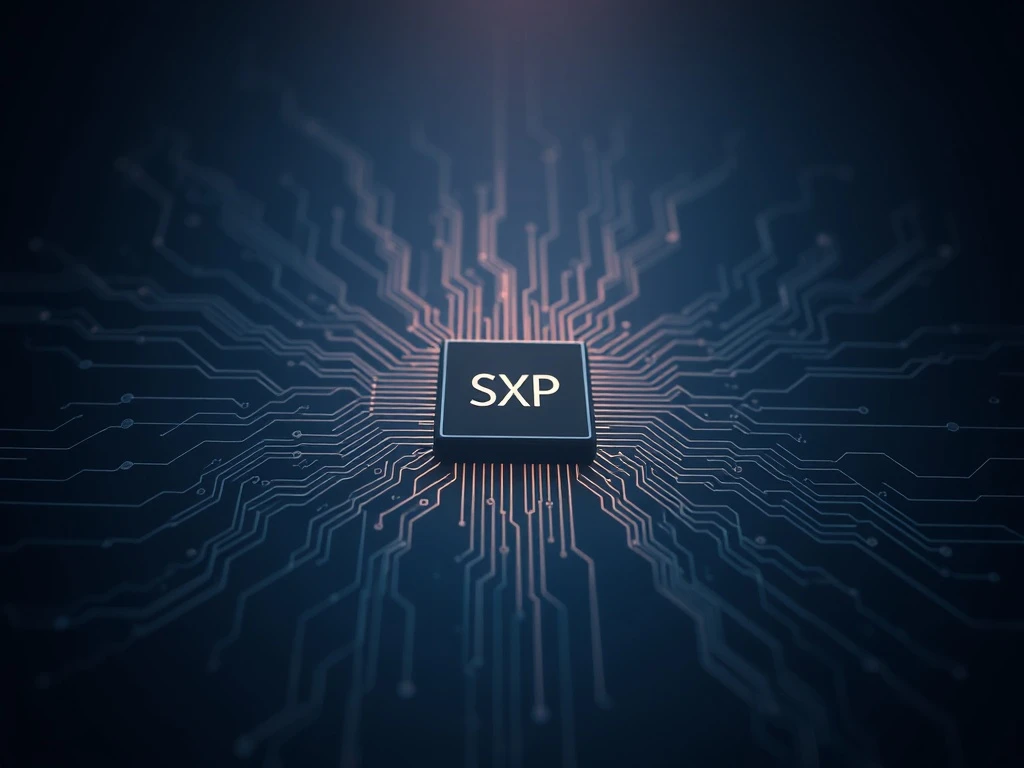
In a move that has sent shockwaves through the cryptocurrency sector, the Sola blockchain project has announced the immediate and complete cessation of all future protocol development. The project, known by its ticker SXP, cited insurmountable operational constraints and a series of failed acquisition attempts as the core reasons for its dramatic shutdown, leaving its community and token holders facing an uncertain path forward.
Sola SXP Development Grinds to a Halt
The official announcement, published on the project’s blog, delivered unequivocal news. Consequently, the Sola team will disband all development efforts permanently. This decision follows a period of significant internal turmoil, including the resignation of the project’s former CEO. Initially, several external teams expressed interest in acquiring the Sola protocol to revive it. However, during detailed due diligence processes, prospective buyers uncovered critical, deal-breaking issues.
A primary obstacle involved the project’s financial management. Specifically, investigators identified a lack of direct control over treasury funds held in accounts managed by the cryptocurrency exchange Binance. This arrangement created substantial risk and complexity for any potential acquirer, effectively stalling negotiations. Furthermore, the due diligence likely revealed other operational deficiencies that made the project an untenable investment.
The Anatomy of a Failed Crypto Project Rescue
The collapse of acquisition talks highlights a recurring challenge in the blockchain industry: the difficulty of rescuing distressed projects. When a founding team departs or a project runs into trouble, a successful handover requires transparent governance, accessible treasury funds, and clear technical documentation. The Sola case demonstrates how a failure in just one of these areas can lead to total dissolution.
For comparison, the table below outlines key factors that differentiate successful project acquisitions from failed ones like Sola’s:
| Successful Acquisition Factors | Sola’s Reported Issues |
|---|---|
| Clear, multi-signature control of treasury wallets | Lack of control over funds held by a third-party exchange |
| Comprehensive and accessible code documentation | Potential gaps in technical handover materials |
| Strong, transferable community trust | Erosion of trust following leadership exit and operational halt |
| Defensible intellectual property or technology | Unclear unique value proposition for acquirers |
Ultimately, the disbanding development team will now pursue individual opportunities. Meanwhile, the project’s former CEO has announced plans to launch a separate, independent initiative. This new project aims to provide an alternative direction for current SXP token holders, though details remain scarce and its success is far from guaranteed.
Expert Analysis on Treasury Management and Project Sustainability
Industry analysts frequently stress that robust treasury management is the lifeblood of any decentralized project. The reported issue with Binance-managed funds underscores a critical lesson for the entire sector. Projects must maintain self-custody of a significant portion of their treasury through transparent, multi-signature wallets. Relying solely on exchange-held funds introduces a single point of failure and can severely complicate governance, especially during transitions.
This event follows a broader trend in the cryptocurrency market where projects without sustainable funding models or clear roadmaps face consolidation or failure. The 2022-2024 market cycle weeded out many ventures built on speculation rather than utility. Sola’s shutdown suggests that even projects that survived that period can still succumb to fundamental operational flaws. The timeline of events appears to have moved quickly from leadership change, to acquisition talks, to final dissolution, indicating the underlying issues were severe.
Implications for the SXP Token and Holder Community
The immediate consequence for SXP token holders is profound uncertainty. With no active development, the underlying protocol will not receive updates, security patches, or new features. This stagnation typically leads to:
- Declining utility and network activity
- Increased vulnerability to security risks over time
- Potential delistings from cryptocurrency exchanges due to inactivity
- Extreme price volatility as the market prices in the lack of future prospects
The former CEO’s promise of a new, independent project offers a glimmer of hope. However, the community must approach this with caution. The new venture would require building trust from scratch, securing funding, and delivering tangible value to justify any token migration or new utility. Historically, such “phoenix” projects have a mixed record of success, heavily dependent on the team’s ability to execute and learn from past mistakes.
Conclusion
The halt of all Sola SXP development serves as a stark case study in cryptocurrency project governance and sustainability. The failure to secure an acquisition, primarily due to a lack of control over treasury funds and other operational issues, led directly to the project’s termination. This outcome highlights the non-negotiable importance of financial transparency and robust operational structures in the decentralized world. For the SXP holder community, the path forward now hinges on the promise of an independent new project, reminding all market participants that in blockchain, sound operations are just as vital as technological innovation.
FAQs
Q1: What exactly happened to the Sola (SXP) project?
The Sola project has officially halted all future development and updates. Its development team is disbanding after failed attempts to sell the project to new teams, who uncovered critical issues like a lack of control over project funds during their review.
Q2: Why did the potential acquisitions of Sola fail?
The acquisition deals collapsed during due diligence. A key problem was the project’s inability to directly control financial funds held in accounts managed by the Binance exchange, creating too much risk for buyers. Other unspecified operational constraints were also likely factors.
Q3: What will happen to the SXP token now?
With development ceased, the SXP token becomes a legacy asset on a stagnant network. Its value will rely on speculative trading and any future utility provided by the separate project the former CEO plans to launch, which is not guaranteed.
Q4: What is the former CEO planning to do?
The former Sola CEO has announced intentions to start a new, independent blockchain project. This initiative is proposed as a new direction for current SXP holders, though specific details, timelines, or tokenomics have not been disclosed.
Q5: What lesson should other crypto projects learn from this?
The primary lesson is the absolute necessity of transparent and self-custodied treasury management. Projects must avoid single points of failure, like relying on third-party exchanges to hold crucial funds, to ensure longevity and enable smooth transitions during crises.