SEC Lawsuit Against Gemini Dismissed: A Landmark Settlement Reshapes Crypto Regulation
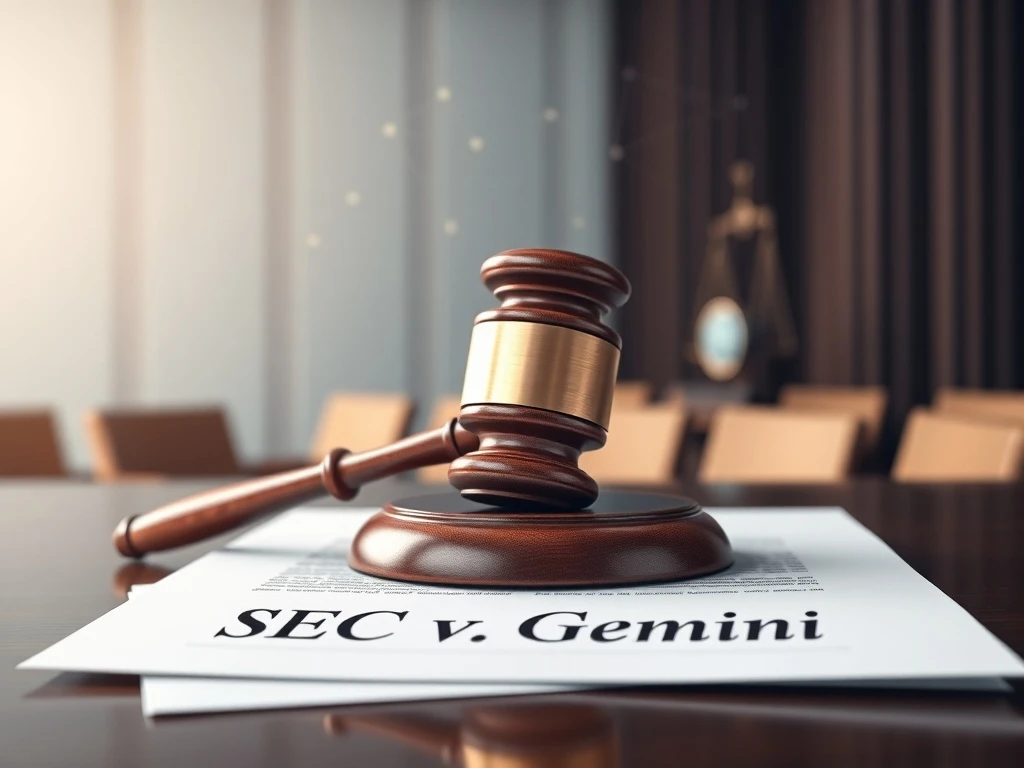
In a significant development for the cryptocurrency industry, the U.S. Securities and Exchange Commission (SEC) has officially dropped its civil lawsuit against the exchange Gemini. This pivotal decision, announced in New York on February 20, 2025, follows a confidential settlement between the regulatory agency and the crypto firm. The SEC lawsuit against Gemini centered on allegations that the Gemini Earn lending program constituted the sale of unregistered securities.
SEC Lawsuit Against Gemini: The Core Allegations and Resolution
The SEC initially filed its complaint against Gemini and its partner Genesis Global Capital in January 2023. Consequently, regulators accused both entities of offering and selling securities to U.S. investors without proper registration. Specifically, the Gemini Earn program allowed users to lend their crypto assets to Genesis in exchange for interest payments. The SEC argued this arrangement qualified as an investment contract, therefore falling under securities laws. However, after nearly two years of litigation, the parties reached a settlement. As a result, the SEC agreed to dismiss its claims against Gemini, marking a crucial turning point.
Background of the Gemini Earn Crypto Lending Program
Gemini, founded by Cameron and Tyler Winklevoss, launched the Earn program in February 2021. The program promised users annual percentage yields (APYs) of up to 8% on cryptocurrencies like Bitcoin and Ethereum. Essentially, Gemini acted as an intermediary, funneling user assets to Genesis, which then lent them to institutional borrowers. This model became immensely popular during the crypto bull market. However, it faced immediate scrutiny from state and federal regulators questioning its compliance structure.
- Program Mechanics: Users deposited crypto, Genesis borrowed it, and interest flowed back.
- Regulatory Scrutiny: Multiple state securities regulators issued cease-and-desist orders in 2021.
- Market Collapse: The November 2022 failure of FTX triggered a liquidity crisis at Genesis, halting withdrawals from Earn.
This chain of events directly led to the SEC’s enforcement action. The agency’s lawsuit sought injunctions, disgorgement of profits, and civil penalties.
Legal Precedents and the Howey Test Analysis
Legal experts closely watched this case for its application of the Howey Test, the Supreme Court standard defining an investment contract. The SEC consistently argued that Earn users invested money in a common enterprise with profits derived solely from Genesis’s efforts. Conversely, Gemini maintained that Earn was a simple lending agreement, not a security. The settlement avoids a definitive court ruling on this critical issue. Nevertheless, it provides temporary relief for similar crypto lending services operating in a regulatory gray area.
Comparative Impact: Gemini vs. Other SEC Crypto Enforcement Actions
The dismissal of the SEC lawsuit against Gemini contrasts with other ongoing regulatory battles. For instance, the SEC’s cases against Coinbase and Binance continue to advance, alleging similar unregistered securities offerings. The table below highlights key differences in these major enforcement actions.
| Case | Core Allegation | Current Status (2025) | Potential Industry Impact |
|---|---|---|---|
| SEC v. Gemini | Unregistered securities via Earn program | Dismissed after settlement | May encourage settlements over litigation |
| SEC v. Coinbase | Unregistered exchange, broker, & clearing agency | Ongoing litigation | Could define exchange regulatory duties |
| SEC v. Binance | Unregistered exchanges & commingling funds | Ongoing litigation; partial settlement | Addresses global exchange compliance |
This comparative analysis shows the SEC’s tailored approach. Each case addresses distinct business models within the digital asset ecosystem.
Immediate Effects on the Cryptocurrency Market and Investors
News of the settlement prompted a noticeable reaction in crypto markets. Market data shows a slight positive movement in tokens associated with the involved companies following the announcement. More importantly, the resolution provides clarity for the 340,000+ users of the Gemini Earn program. These users have been awaiting the return of their frozen assets since November 2022. The Genesis bankruptcy proceedings, separate from the SEC lawsuit, will ultimately determine creditor repayments. However, removing the SEC’s legal overhang potentially simplifies and accelerates that process.
Expert Commentary on Regulatory Strategy and Future Implications
Financial law professors and former SEC officials have weighed in on the settlement’s strategic meaning. Professor Sarah Johnson, a securities regulation expert at Stanford Law School, notes, “The SEC’s decision to settle suggests a pragmatic enforcement strategy. While the agency maintains its stance that many crypto products are securities, it may prioritize cases with clearer investor harm or novel legal questions.” This perspective indicates the SEC might be refining its litigation priorities as the 2025 regulatory landscape evolves.
Conclusion
The dismissal of the SEC lawsuit against Gemini concludes a major chapter in crypto regulation. This landmark settlement demonstrates the complex interaction between innovative financial products and established securities laws. While it resolves immediate legal uncertainty for Gemini, the broader question of how crypto lending fits into the U.S. regulatory framework remains. The industry will undoubtedly analyze this outcome as it navigates future compliance and engagement with regulators. The SEC lawsuit against Gemini, now settled, serves as a critical case study for the entire digital asset sector.
FAQs
Q1: What was the SEC lawsuit against Gemini about?
The SEC sued Gemini and Genesis, alleging their Gemini Earn crypto lending program involved the sale of unregistered securities to the public, violating federal securities laws.
Q2: Why did the SEC drop the lawsuit?
The SEC dropped the lawsuit after reaching a confidential settlement agreement with Gemini. The terms of the settlement have not been publicly disclosed.
Q3: Does this mean the Gemini Earn program was legal?
The settlement does not constitute a legal ruling on the program’s status. It ends the litigation but does not establish a precedent declaring the program either legal or illegal under securities law.
Q4: How does this affect users who lost money in Gemini Earn?
The SEC lawsuit was separate from the Genesis bankruptcy. User recoveries depend primarily on the Genesis bankruptcy proceedings, though the settlement may remove one legal complication from that process.
Q5: Will this settlement affect other SEC cases against crypto companies like Coinbase?
While not legally binding on other cases, the settlement may influence litigation strategies. It signals the SEC’s willingness to resolve certain cases outside of court, potentially encouraging settlements elsewhere.