Farcaster’s Stunning $180M Investor Return Signals New Era for Decentralized Social Media After Neynar Takeover
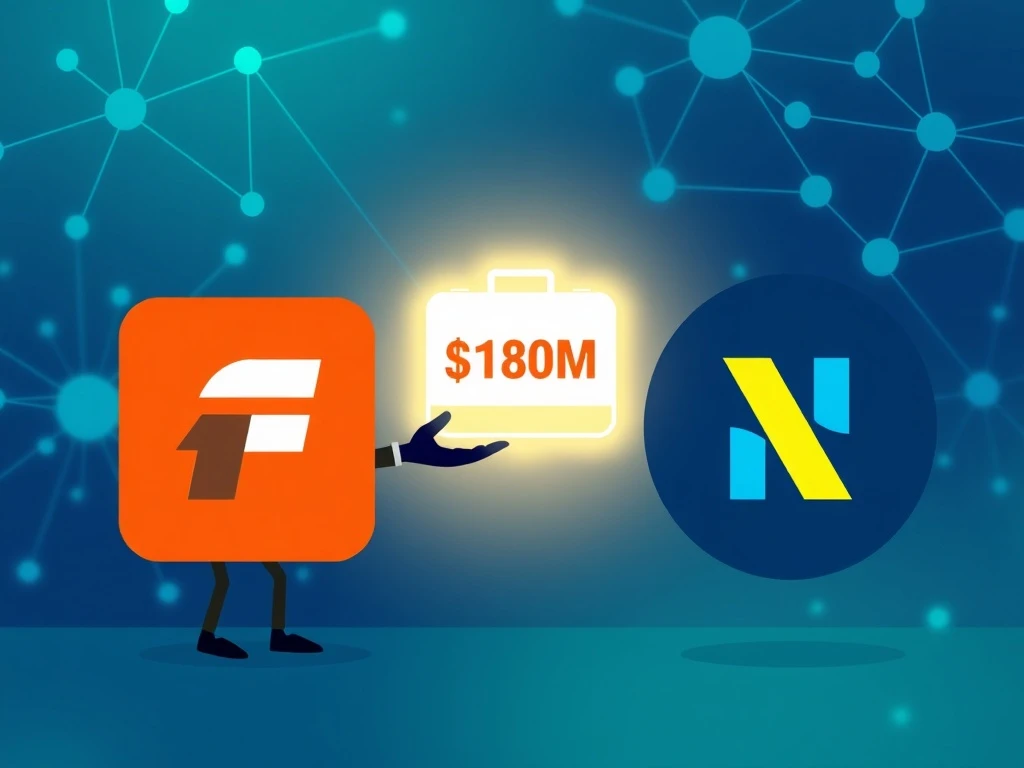
In a remarkable development shaking the decentralized social media landscape, Farcaster protocol has announced plans to return $180 million in investor capital following its acquisition by infrastructure provider Neynar. This unprecedented move, confirmed on January 15, 2025, represents one of the largest capital returns in SocialFi history and signals a fundamental shift in how blockchain-based social networks approach governance and financial stewardship.
Farcaster’s $180 Million Investor Return Explained
Farcaster co-founder Dan Romero moved decisively to address community concerns about the project’s future. He confirmed the protocol remains fully operational despite the leadership transition. Romero emphasized that Neynar’s acquisition represents an evolution rather than an endpoint for the decentralized social network. The decision to return $180 million to investors follows five years of development work by Merkle Manufactory, Farcaster’s original development company.
This capital return includes funds from two significant funding rounds. In March 2022, Paradigm led a round that reportedly pushed Farcaster’s valuation past $1 billion. Subsequently, in July 2022, Merkle Manufactory raised $30 million from venture capital firm a16z crypto. Romero characterized the return as an act of responsible stewardship, demonstrating commitment to investor relationships even during organizational changes.
Neynar’s Strategic Acquisition and Future Direction
Neynar has maintained close ties to Farcaster’s ecosystem since its earliest days. The infrastructure provider operated as one of the first Farcaster clients. It has consistently provided critical infrastructure supporting developers building on the protocol. This acquisition represents a natural progression of this longstanding relationship rather than an external takeover.
Under the new arrangement, Neynar assumes responsibility for maintaining Farcaster’s protocol contracts, code repositories, and consumer applications. Romero and several team members will transition away from daily operations to pursue new projects. Neynar plans to steer Farcaster toward a more developer-focused direction, leveraging its extensive infrastructure experience to enhance the protocol’s capabilities.
The Broader SocialFi Leadership Transition Trend
Farcaster’s leadership change coincides with similar movements across the decentralized social media sector. This week, the Aave team handed stewardship of Lens Protocol to Mask Network. This parallel development suggests a maturing ecosystem where specialized infrastructure providers increasingly manage protocol operations. Aave will refocus on decentralized finance while maintaining technical advisory involvement with Lens.
These transitions reflect the evolving nature of SocialFi governance. Initially, many protocols emerged from development companies or DeFi projects. Now, specialized infrastructure providers with deeper protocol experience are taking leadership roles. This trend potentially enhances long-term sustainability and technical development.
Farcaster’s Current Operational Status and Metrics
Despite the organizational changes, Farcaster continues demonstrating strong operational metrics. The protocol maintains 250,000 active monthly users as of December 2024. It also boasts more than 100,000 funded wallets, indicating substantial user engagement and financial participation. These metrics confirm the protocol’s ongoing relevance within the decentralized social media landscape.
Farcaster enables developers to build interoperable social applications where users control their identities, social graphs, and connections onchain. This fundamental architecture prevents platform lock-in and empowers user ownership. The protocol’s continued operation under Neynar ensures these core principles remain intact while potentially accelerating technical development.
Industry Reactions and Expert Perspectives
Farcaster investor Balaji Srinivasan publicly confirmed the capital return process. He praised the team’s work on decentralized social infrastructure, highlighting the ethical approach to investor relations. This positive investor response suggests confidence in both the capital return process and Neynar’s future leadership.
Ethereum co-founder Vitalik Buterin recently voiced strong support for decentralized social media platforms. He urged builders and users to spend more time in decentralized social ecosystems. Buterin emphasized the need to move beyond centralized information environments toward new forms of online interaction. His comments provide important context for understanding Farcaster’s continued significance.
Comparative Analysis: SocialFi Protocol Governance Models
| Protocol | Previous Steward | New Steward | Capital Status | User Metrics |
|---|---|---|---|---|
| Farcaster | Merkle Manufactory | Neynar | $180M returned | 250K monthly users |
| Lens Protocol | Aave | Mask Network | Ongoing development | Not disclosed |
The table above illustrates the parallel governance transitions occurring across major SocialFi protocols. These changes share several common characteristics:
- Movement from initial developers to infrastructure specialists
- Continued protocol operation during transition periods
- Focus on long-term sustainability over rapid growth
- Emphasis on developer ecosystems and technical foundations
The $180 Million Return: Implications for Crypto Investing
Farcaster’s decision to return investor capital carries significant implications for cryptocurrency venture funding. This action demonstrates several important principles for blockchain project development:
Capital stewardship receives renewed emphasis through this return. Projects can maintain investor trust even during fundamental organizational changes. Transparent communication proves essential when managing community expectations during transitions. Additionally, ethical financial management sets important precedents for future SocialFi projects.
The return also highlights the evolving relationship between venture capital and decentralized protocols. As protocols mature, their relationships with initial investors may transform. This case demonstrates how successful stewardship can include returning capital when organizational missions shift substantially.
Technical Infrastructure and Developer Focus
Neynar’s extensive experience with Farcaster infrastructure positions it uniquely for protocol stewardship. The company has provided critical services supporting Farcaster developers since the protocol’s early days. This deep technical familiarity suggests several potential development directions:
Enhanced developer tools and documentation could accelerate ecosystem growth. Improved infrastructure scalability might support increased user adoption. Additionally, stronger integration with other decentralized protocols could expand Farcaster’s interoperability. These technical enhancements align with Neynar’s stated developer-focused direction.
User Experience and Onchain Social Graphs
Farcaster’s fundamental innovation involves onchain social graphs that users truly own. This architecture enables several unique capabilities compared to traditional social platforms:
- Portable identities across multiple applications
- User-controlled data and connections
- Interoperability between different social experiences
- Reduced platform dependency and lock-in effects
These features remain central to Farcaster’s value proposition under Neynar’s leadership. The infrastructure provider’s technical expertise could enhance these capabilities while maintaining user sovereignty principles.
Conclusion
Farcaster’s $180 million investor return following the Neynar acquisition represents a landmark moment for decentralized social media. This action demonstrates exceptional capital stewardship while ensuring protocol continuity. The transition reflects broader SocialFi trends toward specialized infrastructure management. Farcaster maintains strong user metrics and continues operating its innovative onchain social graph architecture. Neynar’s developer-focused direction promises enhanced technical capabilities while preserving user sovereignty principles. This case establishes important precedents for ethical investor relations and sustainable protocol governance in the evolving SocialFi landscape.
FAQs
Q1: Is Farcaster shutting down after the Neynar acquisition?
No, Farcaster remains fully operational. The protocol continues serving its 250,000 monthly active users. Neynar has assumed responsibility for maintaining and developing the protocol.
Q2: Why is Farcaster returning $180 million to investors?
The return represents responsible capital stewardship after five years of development. Following the acquisition, Merkle Manufactory decided to return all raised funds to investors as it transitions leadership to Neynar.
Q3: What changes will users experience under Neynar’s leadership?
Users should experience minimal disruption. Neynar plans to enhance developer tools and infrastructure while maintaining Farcaster’s core functionality and user sovereignty principles.
Q4: How does this relate to other SocialFi protocol changes?
This transition parallels Lens Protocol’s move from Aave to Mask Network. Both cases show specialized infrastructure providers taking over protocol stewardship from initial developers.
Q5: What happens to user data and social graphs during this transition?
User data and social graphs remain secure and user-controlled. Farcaster’s onchain architecture ensures user ownership persists regardless of organizational changes.