Bitcoin Consolidation Expected: Traders Eye $89,500 as Derivatives Data Reveals Volatility Focus
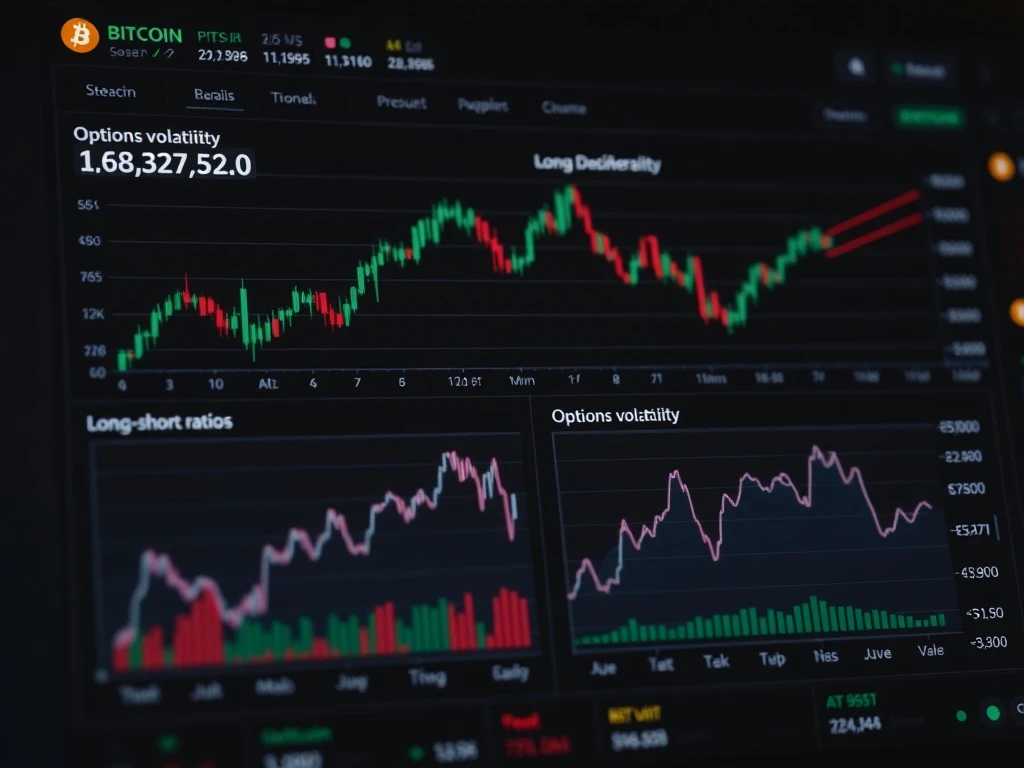
As Bitcoin navigates critical price levels in early 2025, derivatives market data reveals traders are positioning for consolidation rather than anticipating another sharp decline. According to comprehensive analysis from Crypto News Insights and Laevitas data, the cryptocurrency market shows remarkable stability despite recent volatility, with sophisticated investors focusing on volatility strategies rather than directional bets. This development comes amid broader market recalibration following Bitcoin’s failure to maintain the psychologically significant $90,000 support level.
Bitcoin Derivatives Market Signals Consolidation Pattern
The Bitcoin derivatives landscape currently presents compelling evidence of market stabilization. Professional traders and institutional participants demonstrate measured responses to recent price movements. Specifically, options market activity reveals sophisticated positioning that anticipates sideways trading rather than dramatic directional moves. Market makers and large-scale investors appear confident about Bitcoin’s ability to establish support near the $89,500 level. Consequently, this creates a foundation for potential accumulation phases that historically precede significant market movements.
Recent data from leading cryptocurrency exchanges supports this consolidation thesis. Long-to-short ratios, which measure trader sentiment through futures market positioning, remain balanced rather than excessively bearish. On Binance, the ratio for top traders currently stands at 2.18, indicating moderate bullish positioning. Similarly, leading accounts on OKX have maintained or increased their long positions despite Bitcoin’s retreat from the $90,000 level. These metrics collectively suggest that experienced market participants view current price levels as attractive entry points rather than signals for further decline.
Options Strategies Reveal Volatility Expectations
Advanced options strategies provide crucial insights into institutional expectations for Bitcoin’s near-term trajectory. The prevalence of specific strategies indicates how sophisticated market participants are positioning themselves. Currently, two strategies dominate professional trading activity:
- Long Straddle Positions: This strategy involves simultaneously buying a call option and a put option at the same strike price and expiration date. Traders employ this approach when they anticipate significant price movement but are uncertain about the direction. The current prevalence of long straddles suggests expectations for increased volatility without clear directional bias.
- Long Iron Condor Strategies: This advanced options strategy involves selling out-of-the-money call and put options while simultaneously buying further out-of-the-money calls and puts. The strategy profits from low volatility and sideways price movement, indicating expectations for Bitcoin to trade within a defined range.
These sophisticated positioning patterns reveal that institutional traders and market makers expect Bitcoin to experience compressed volatility within a consolidation range. Historically, such periods of low volatility and sideways trading often precede significant directional moves, making current market conditions particularly noteworthy for analysts and investors.
Historical Context and Market Psychology
Current market conditions mirror historical patterns observed during previous Bitcoin consolidation phases. Following significant price movements, cryptocurrency markets typically enter periods of price discovery and stabilization. The $89,500 level represents a crucial technical and psychological threshold that has emerged through recent trading activity. Market participants now monitor this level as potential support that could establish the foundation for Bitcoin’s next major move.
Expert analysis from derivatives specialists at Laevitas emphasizes the importance of monitoring funding rates and open interest alongside options data. These additional metrics provide context for understanding whether current positioning reflects genuine market conviction or temporary hedging activity. The balanced nature of current metrics suggests genuine expectations for consolidation rather than defensive positioning against anticipated declines.
Exchange-Specific Data and Trader Behavior Analysis
Different cryptocurrency exchanges reveal nuanced patterns in trader behavior and positioning. While overall trends point toward consolidation expectations, exchange-specific data provides granular insights into how various market segments are responding to current conditions. The following table summarizes key metrics across major trading platforms:
| Exchange | Long-to-Short Ratio | Options Volume Trend | Dominant Strategy |
|---|---|---|---|
| Binance | 2.18 (rising) | Increasing | Long Straddle |
| OKX | Increased long positions | Stable | Iron Condor |
| Deribit | Balanced | High institutional volume | Multi-leg volatility plays |
This exchange-level analysis reveals consistent patterns across platforms despite varying absolute metrics. The convergence toward volatility-focused strategies rather than directional bets provides strong evidence for the consolidation thesis. Furthermore, the stability of these patterns across multiple trading sessions suggests established positioning rather than temporary reactions to short-term price movements.
Macroeconomic Factors and Regulatory Environment
The current derivatives positioning occurs within a broader macroeconomic and regulatory context that influences cryptocurrency markets. In early 2025, several factors contribute to market dynamics:
- Institutional Adoption: Continued integration of cryptocurrency products within traditional finance creates more sophisticated hedging and trading strategies.
- Regulatory Clarity: Evolving regulatory frameworks in major jurisdictions provide more predictable operating environments for institutional participants.
- Macroeconomic Conditions: Interest rate environments, inflation data, and traditional market correlations continue to influence cryptocurrency investment flows.
These contextual factors help explain why sophisticated market participants might favor volatility strategies over directional bets during current market conditions. The complexity of interacting variables creates uncertainty about precise directional outcomes while increasing the probability of significant price movements in either direction—perfect conditions for volatility-focused options strategies.
Technical Analysis and Price Level Significance
Beyond derivatives data, technical analysis provides additional context for understanding the $89,500 level’s significance. This price point represents:
- A previous resistance level that has transformed into potential support
- The 0.618 Fibonacci retracement level from recent price movements
- A psychological threshold that influences retail and institutional decision-making
- A convergence point for multiple moving averages on higher timeframes
The technical significance of this level helps explain why market participants might anticipate consolidation rather than continued decline. Historical patterns show that such technically significant levels often attract accumulation from both short-term traders and long-term investors, creating natural support zones that can sustain prices during periods of uncertainty.
Risk Management Considerations for Traders
Current market conditions present specific risk management considerations for cryptocurrency traders and investors. The prevalence of volatility-focused options strategies suggests that professional market participants are preparing for potential price swings while avoiding strong directional commitments. Retail traders should consider several factors when navigating these conditions:
- Position Sizing: Reduced position sizes can accommodate potential volatility without excessive risk exposure.
- Time Horizons: Different trading timeframes may experience varying volatility patterns during consolidation phases.
- Correlation Awareness: Understanding correlations between Bitcoin and other cryptocurrencies becomes crucial during sideways markets.
- Liquidity Considerations: Monitoring liquidity across exchanges helps identify potential price dislocations during low-volatility periods.
These risk management principles align with the sophisticated positioning observed in derivatives markets, where professional traders prioritize capital preservation during uncertain market phases.
Conclusion
Bitcoin derivatives data clearly indicates expectations for consolidation rather than sharp declines in the near term. The prevalence of volatility-focused options strategies, balanced long-to-short ratios, and technical significance of the $89,500 level collectively suggest a period of sideways trading and accumulation. While short-term price movements remain unpredictable, the structural positioning in derivatives markets reveals sophisticated investor expectations for Bitcoin consolidation. This positioning provides valuable insights for market participants navigating current cryptocurrency market conditions and planning for potential future movements.
FAQs
Q1: What does Bitcoin consolidation mean for traders?
Consolidation refers to a period of sideways price movement within a defined range, typically following significant price advances or declines. For traders, consolidation periods often present opportunities for range-bound strategies, volatility trading, and position accumulation at relatively stable prices.
Q2: How do options strategies indicate market expectations?
Options strategies reveal how sophisticated market participants are positioning themselves. Volatility-focused strategies like long straddles and iron condors suggest expectations for price movement without clear directional bias, while directional strategies indicate stronger convictions about price movements in specific directions.
Q3: Why is the $89,500 level significant for Bitcoin?
The $89,500 level represents a convergence of technical factors including previous resistance-turned-support, Fibonacci retracement levels, and psychological thresholds. Derivatives data suggests this level may serve as a foundation for Bitcoin’s next significant price movement.
Q4: What are long-to-short ratios and why do they matter?
Long-to-short ratios measure the balance between bullish (long) and bearish (short) positions in futures markets. These ratios provide insights into trader sentiment and positioning, with balanced ratios suggesting neutral expectations rather than extreme bullish or bearish sentiment.
Q5: How reliable are derivatives signals for predicting Bitcoin price movements?
Derivatives data provides valuable insights into market structure and participant positioning but doesn’t guarantee specific price outcomes. These signals work best when combined with technical analysis, fundamental factors, and broader market context to form comprehensive trading and investment decisions.