Optimism OP Buyback Proposal: Community Votes on Bold 50% Superchain Revenue Allocation
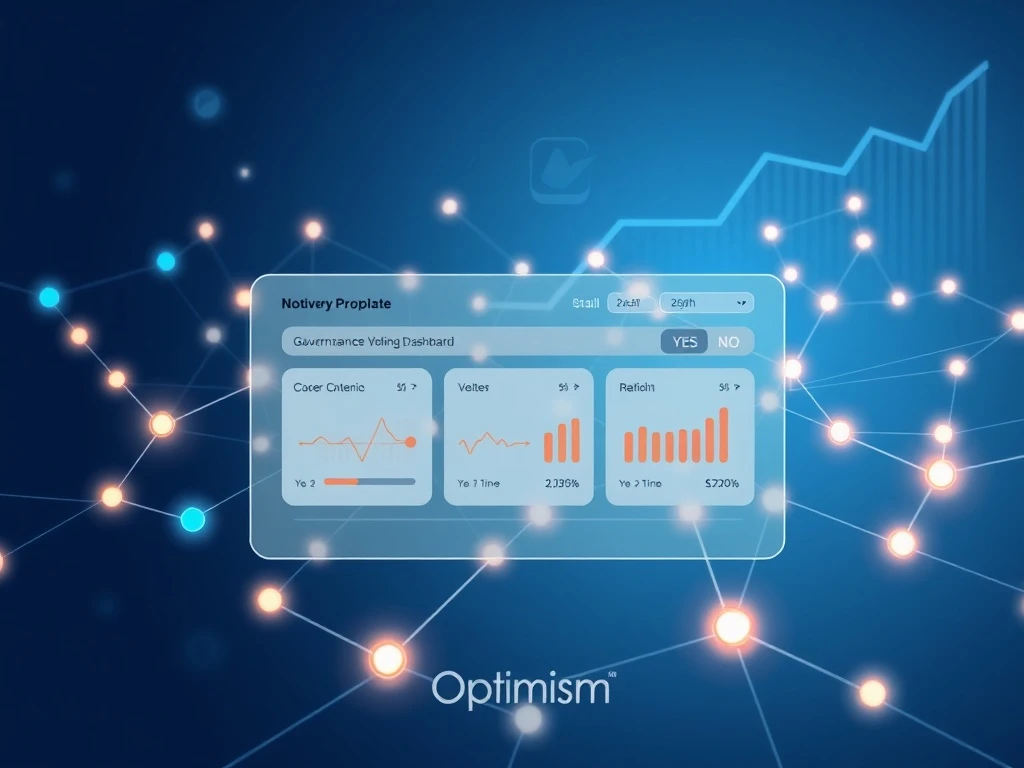
In a landmark governance decision, the Optimism community has initiated a pivotal vote that could fundamentally reshape the tokenomics of its native OP token. The proposal, which concludes on January 28, centers on allocating a substantial 50% of all Ethereum revenue generated by its Superchain sequencer toward systematic OP token buybacks. This strategic move, reported by CoinDesk, represents a significant test of decentralized governance and long-term treasury management for one of Ethereum’s leading Layer 2 scaling solutions. The outcome will set a precedent for how blockchain networks manage protocol-generated value.
Optimism OP Buyback Proposal: Mechanics and Motivation
The core mechanism of the proposal is straightforward yet impactful. Essentially, half of the ETH fees collected by the Superchain sequencer—the system that orders and processes transactions across the Optimism ecosystem—would be automatically directed to a fund for purchasing OP tokens from the open market. This process would occur consistently over a 12-month trial period. Consequently, the repurchased tokens would enter the Optimism Collective’s treasury, creating a strategic reserve. The proposal deliberately leaves the final use of these tokens open for future community decisions, which could include burning them to reduce supply, using them for ecosystem grants and funding, or distributing them to network security participants. Therefore, this approach combines immediate value accrual with flexible long-term utility.
Understanding the Superchain and Its Revenue Model
To fully grasp this proposal’s significance, one must understand the Superchain framework. Optimism is not merely a single blockchain; it is a growing network of interoperable Layer 2 chains built on the OP Stack. This collective network, known as the Superchain, shares security, a communication layer, and a unified development platform. The sequencer, a critical technical component, batches user transactions from these chains and posts them to Ethereum’s base layer (Layer 1). For this service, it earns fees in ETH. As the Superchain expands with more chains like Base, Zora, and others adopting the OP Stack, this revenue stream is projected to grow substantially. The current vote essentially decides how to allocate this burgeoning, protocol-owned income.
Expert Analysis: Tokenomics and Governance Precedents
Blockchain economists view this proposal as a sophisticated experiment in value capture and distribution. “This is a clear move toward a more mature treasury management strategy,” explains a veteran crypto-economic researcher who prefers to remain anonymous due to firm policy. “By using protocol revenue to buy back its own token, Optimism is creating a direct feedback loop where ecosystem usage and growth potentially increase the value of the OP treasury and benefit token holders.” This model draws parallels to corporate share buybacks but operates within a transparent, on-chain, and community-governed framework. Furthermore, it sets a compelling precedent for other decentralized autonomous organizations (DAOs) grappling with how to manage sustained revenue streams beyond simple treasury accumulation.
Comparative Context: How Other Protocols Manage Revenue
Optimism’s proposal does not exist in a vacuum. Other major blockchain ecosystems have adopted different models for handling protocol revenue, providing a useful comparative context.
| Protocol | Primary Revenue Source | Key Allocation Model |
|---|---|---|
| Ethereum (Post-Merge) | Transaction fees & MEV | Burned (via EIP-1559), reducing ETH supply. |
| Arbitrum | Sequencer fees | Accrues to DAO treasury for future grants and funding. |
| Avalanche | Transaction fees | Burned, reducing the supply of AVAX. |
| Optimism (Proposed) | Superchain sequencer fees | 50% for OP buybacks, 50% retained for other uses. |
This comparison highlights Optimism’s hybrid approach. Unlike pure burn models (Ethereum, Avalanche) or pure treasury accumulation (Arbitrum’s initial model), the OP buyback plan creates a flexible asset. The bought-back OP tokens hold utility for future initiatives while simultaneously signaling a commitment to token value alignment.
Potential Impacts and Community Debate
The governance forum reveals a robust debate surrounding the proposal, showcasing the community’s depth. Proponents argue several key points:
- Value Accrual: It creates a direct mechanism for protocol success to benefit OP token holders.
- Treasury Strengthening: It builds a strategic reserve of the ecosystem’s native asset for future needs.
- Market Signal: It demonstrates long-term confidence and a sustainable economic model.
Conversely, some community members express caution. Their considerations include:
- Opportunity Cost: Whether the ETH could be better deployed in immediate ecosystem grants or investments.
- Market Impact: The effects of sustained, algorithmic buying on open market liquidity and price discovery.
- Precedent Setting: The difficulty of reversing such a policy once established.
This democratic deliberation, visible on platforms like the Optimism governance forum, is a hallmark of mature DAO operations. The vote’s result will reflect a collective assessment of these complex trade-offs.
The Road Ahead: Implementation and Future Governance
If the proposal passes, the focus will swiftly shift to implementation details and monitoring. The 12-month trial period is a critical design feature, allowing the community to assess the buyback’s effects without making a permanent commitment. Key performance indicators will likely include:
- Treasury composition and health.
- OP token market dynamics.
- Superchain revenue growth.
- Ecosystem development metrics.
Subsequently, a new series of governance votes will determine the fate of the accumulated OP tokens. This creates a multi-stage governance process, ensuring the community retains ultimate control over its key assets. The entire experiment will be closely watched by the broader blockchain industry as a case study in advanced, real-world cryptoeconomics.
Conclusion
The Optimism community’s vote on the Optimism OP buyback proposal marks a decisive moment in the evolution of Layer 2 governance. By considering the allocation of 50% of Superchain revenue to market repurchases, the collective is navigating complex questions of value distribution, treasury strategy, and long-term sustainability. This decision transcends simple tokenomics; it tests the ability of a decentralized community to execute sophisticated financial management for a multi-billion-dollar protocol. The outcome on January 28 will not only shape Optimism’s trajectory but also influence economic models across the decentralized landscape, highlighting the maturation of blockchain governance from conceptual debate to concrete fiscal policy.
FAQs
Q1: What exactly is being voted on in the Optimism proposal?
The Optimism governance community is voting on whether to allocate 50% of the ETH revenue generated by the Superchain’s sequencer to a fund that will systematically buy OP tokens from the open market over the next year.
Q2: What is the Superchain?
The Superchain is a network of interoperable Layer 2 blockchains (like Base and Zora) built using the OP Stack. They share technology and security, and the sequencer for this network generates the revenue subject to this vote.
Q3: What will happen to the OP tokens after they are bought back?
The proposal states that the repurchased tokens will be held in the Optimism Collective treasury. Their ultimate use—such as burning, ecosystem funding, or rewards—will be decided by future community governance votes.
Q4: How does this differ from Ethereum’s fee-burning mechanism?
Ethereum’s EIP-1559 permanently burns a portion of transaction fees, reducing the total ETH supply. Optimism’s proposal involves buying OP tokens and holding them in a treasury, not immediately burning them. The tokens remain as a usable asset for the DAO.
Q5: When does the voting period end?
The governance vote is scheduled to conclude on January 28. The results will be executed on-chain if the proposal passes.