BingX South Korea Deposit Restrictions: A Critical Regulatory Shift for Crypto Exchanges
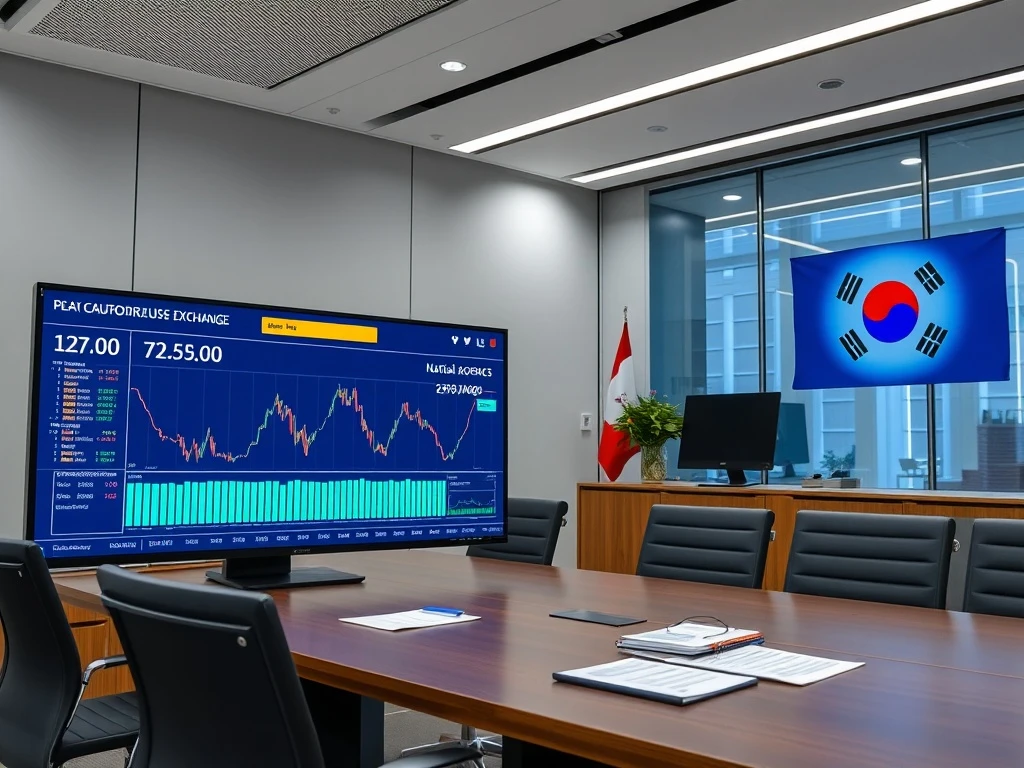
SEOUL, South Korea – March 2025: The cryptocurrency exchange BingX has implemented deposit restrictions for specific South Korean users, marking a significant development in the country’s evolving digital asset regulatory landscape. According to multiple verified reports from online financial communities, affected users received notifications citing local regulatory requirements as the primary reason for these limitations. Consequently, this action follows coordinated measures by domestic exchanges Upbit and Bithumb, which recently removed BingX from their lists of verified counterparties. This regulatory enforcement represents a clear pattern of increasing compliance demands within South Korea’s cryptocurrency sector.
BingX South Korea Implements Deposit Restrictions
BingX has begun restricting deposit functionality for certain South Korean user accounts. The exchange communicates these measures directly to affected individuals through official channels. Specifically, notifications reference compliance with local regulatory requirements as the justification. Moreover, users encountering these restrictions receive instructions to contact customer service for detailed explanations. This development emerges from South Korea’s stringent regulatory environment for digital assets. Furthermore, the Financial Services Commission (FSC) continues to enforce strict anti-money laundering (AML) and know-your-customer (KYC) protocols. Therefore, exchanges operating in or serving South Korean users must demonstrate robust compliance frameworks.
Industry analysts observe that these restrictions likely target accounts with incomplete verification documentation. Alternatively, they may affect transactions originating from unverified financial institutions. The timing coincides with increased regulatory scrutiny following the implementation of the Travel Rule. This rule mandates that virtual asset service providers (VASPs) share sender and recipient information for transactions exceeding specific thresholds. Consequently, exchanges failing to comply with these requirements face operational limitations. South Korean authorities prioritize investor protection and financial system integrity. As a result, they actively monitor both domestic and international cryptocurrency platforms.
Regulatory Context and Preceding Actions
This regulatory action follows explicit guidance from South Korean financial authorities. Previously, major domestic exchanges Upbit and Bithumb announced the removal of BingX from their lists of verified counterparties. These decisions resulted directly from regulatory directives aimed at standardizing compliance across the industry. The Financial Intelligence Unit (FIU) provides ongoing oversight of cryptocurrency transactions. Additionally, the Special Financial Transactions Information Act governs digital asset operations within South Korea. Exchanges must maintain rigorous transaction monitoring systems. They must also report suspicious activities promptly to avoid penalties.
The following timeline illustrates key regulatory developments:
| Date | Event | Regulatory Body |
|---|---|---|
| Q4 2024 | Enhanced Travel Rule enforcement begins | Financial Services Commission |
| January 2025 | Upbit announces delisting of non-compliant exchanges | Upbit Compliance Team |
| February 2025 | Bithumb follows with similar verification removals | Bithumb Regulatory Affairs |
| March 2025 | BingX restricts deposits for select South Korean users | BingX Operations |
This sequence demonstrates coordinated regulatory pressure. Furthermore, it highlights the importance of cross-border compliance cooperation. International exchanges serving South Korean users must navigate complex regulatory requirements. They must establish local compliance partnerships. Otherwise, they risk losing access to this significant market.
Expert Analysis of Compliance Requirements
Financial regulation specialists emphasize the technical requirements for exchanges. According to compliance experts, South Korea’s regulatory framework demands specific operational capabilities. Exchanges must implement real-name verification systems linked to domestic bank accounts. They must also maintain transaction records for minimum retention periods. Additionally, they need to conduct regular risk assessments of their user base. These requirements create substantial operational burdens for international platforms. Consequently, some exchanges may limit services rather than risk non-compliance penalties.
Market data reveals interesting patterns in user behavior following such restrictions. Typically, affected users seek alternative platforms with clearer regulatory status. However, many prioritize platforms maintaining strong compliance records. This preference reflects growing investor awareness of regulatory risks. South Korean cryptocurrency investors demonstrate increasing sophistication regarding compliance matters. They often verify exchange credentials before committing funds. This cautious approach stems from previous market incidents involving insufficient oversight.
Impact on South Korean Cryptocurrency Users
Deposit restrictions create immediate challenges for affected BingX users. They must either complete additional verification procedures or transition to alternative platforms. This process involves several practical considerations:
- Verification Documentation: Users may need to provide additional identification documents
- Transaction History: Existing transaction records remain accessible but new deposits halt
- Asset Management: Withdrawals typically continue functioning during deposit restrictions
- Platform Alternatives: Users can explore other internationally compliant exchanges
- Timing Considerations: Resolution timelines vary based on individual circumstances
These restrictions particularly impact active traders relying on continuous deposit capabilities. Nevertheless, they represent standard regulatory measures rather than extraordinary actions. South Korean authorities consistently emphasize investor protection through such controls. The Financial Supervisory Service regularly publishes guidelines for cryptocurrency users. These guidelines help investors identify compliant platforms and avoid potential pitfalls.
Market observers note that similar restrictions have affected other international exchanges previously. Typically, these situations resolve through enhanced compliance measures. However, some exchanges ultimately reduce their South Korean operations. This dynamic reflects the challenging balance between market access and regulatory compliance. International platforms must weigh operational costs against market opportunities carefully. South Korea represents a significant cryptocurrency market with sophisticated users. Therefore, many exchanges invest substantial resources in maintaining compliance.
Broader Implications for Cryptocurrency Exchanges
This development signals continuing regulatory evolution in major cryptocurrency markets. South Korea’s approach influences regulatory discussions across Asia. Other jurisdictions observe these compliance enforcement mechanisms. They often adapt similar measures to their domestic contexts. Consequently, international exchanges must develop flexible compliance strategies. They need systems adaptable to varying regulatory requirements across jurisdictions. This complexity increases operational costs but enhances long-term sustainability.
The cryptocurrency industry faces increasing standardization pressures. Regulatory convergence may simplify compliance in future years. However, current fragmentation requires careful navigation. Exchanges maintaining robust compliance frameworks gain competitive advantages. They attract users seeking stability and regulatory certainty. Conversely, platforms with compliance deficiencies face growing operational challenges. This dynamic promotes overall market maturation and reduced systemic risks.
Technology solutions increasingly support regulatory compliance. Advanced transaction monitoring systems help identify suspicious activities. Automated reporting tools streamline regulatory submissions. Blockchain analytics platforms enhance transparency for regulators. These technological developments facilitate compliance while maintaining operational efficiency. Forward-looking exchanges invest significantly in these capabilities. They recognize compliance as fundamental to sustainable operations rather than merely a cost center.
Conclusion
BingX South Korea deposit restrictions reflect ongoing regulatory normalization within cryptocurrency markets. These measures align with South Korea’s comprehensive digital asset governance framework. They demonstrate authorities’ commitment to financial system integrity and investor protection. Affected users should engage with customer service for resolution pathways. The broader cryptocurrency industry continues adapting to evolving regulatory expectations. Compliance remains essential for sustainable market participation. Furthermore, regulatory clarity benefits all market participants through enhanced stability and reduced systemic risks. International exchanges must prioritize compliance to maintain market access. South Korea’s regulatory approach will likely influence global standards development. Consequently, these BingX South Korea restrictions represent an important case study in cryptocurrency regulation implementation.
FAQs
Q1: Why is BingX restricting deposits for South Korean users?
BingX implements these restrictions to comply with South Korean regulatory requirements, specifically regarding anti-money laundering (AML) and know-your-customer (KYC) regulations. The exchange follows directives from local financial authorities.
Q2: Can affected users still withdraw their funds from BingX?
Typically, deposit restrictions do not affect withdrawal capabilities. Users should maintain access to their existing assets and can withdraw them according to standard platform procedures.
Q3: How does this relate to Upbit and Bithumb removing BingX from verified lists?
These actions stem from the same regulatory guidance. South Korean authorities coordinate compliance measures across domestic and international exchanges serving local users.
Q4: What should affected BingX users do immediately?
Users should contact BingX customer service for specific guidance. They may need to complete additional verification procedures or consider alternative compliant platforms for future transactions.
Q5: Will other international exchanges face similar restrictions in South Korea?
Exchanges operating in South Korea must all comply with local regulations. Platforms demonstrating robust compliance frameworks typically maintain uninterrupted services, while those with deficiencies may face similar restrictions.