South Korean Prosecutors’ Stunning Bitcoin Blunder: Tens of Billions in Seized Crypto Lost
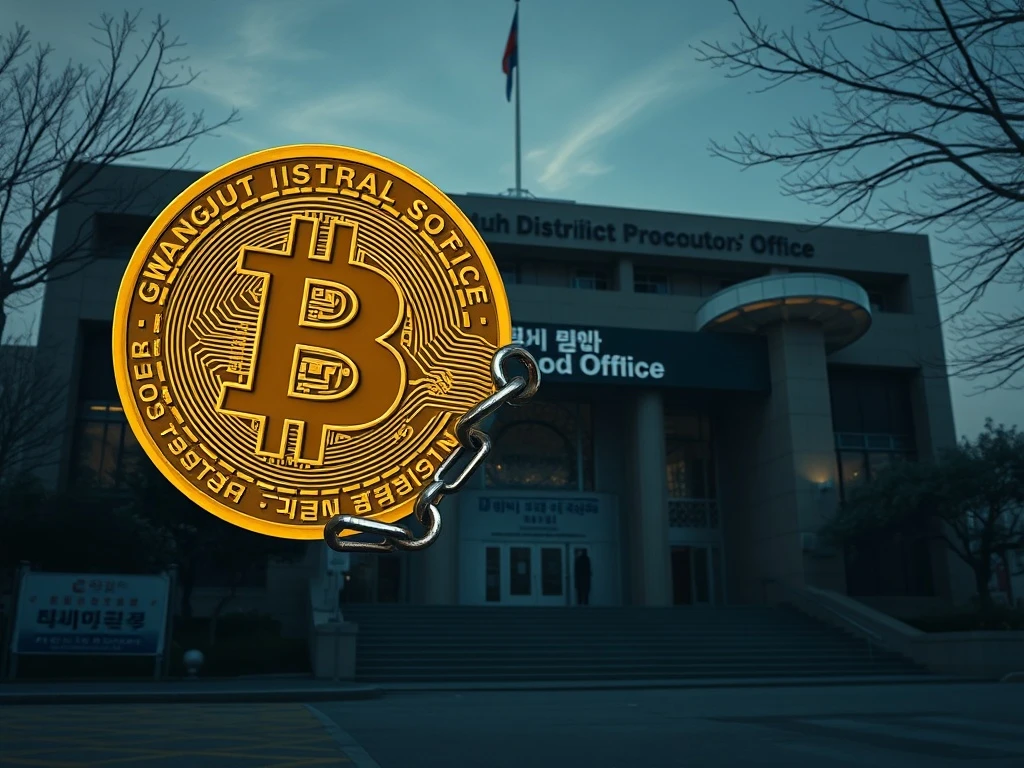
In a stunning development that exposes critical vulnerabilities in state-held digital asset custody, South Korean prosecutors have lost a massive quantity of seized Bitcoin, with the value estimated in the tens of billions of won. The Gwangju District Prosecutors’ Office confirmed the catastrophic loss on January 22, 2025, following an exclusive report by OhmyNews, triggering an immediate internal investigation and sending shockwaves through the nation’s legal and cryptocurrency sectors. This incident represents one of the most significant institutional failures involving seized cryptocurrency assets globally, raising profound questions about procedural safeguards, technical expertise, and accountability within law enforcement agencies tasked with handling high-value digital evidence.
South Korean Prosecutors’ Bitcoin Custody Crisis
The Gwangju District Prosecutors’ Office, a major regional branch of South Korea’s Supreme Prosecutors’ Office, was holding the Bitcoin in connection with a concluded criminal case. Authorities typically seize cryptocurrencies like Bitcoin during investigations into fraud, drug trafficking, or financial crimes. Consequently, they must secure these assets until court-ordered disposal or return. However, the office has now admitted it cannot account for the digital currency. While officials have not disclosed the exact number of Bitcoin units lost, the valuation in “tens of billions of won” places the loss at a minimum of roughly 10 billion KRW (approximately $7.5 million USD) and potentially far higher, depending on the Bitcoin price at the time of seizure and the current market value.
This event is not an isolated technical glitch. Instead, it highlights a systemic challenge for governments worldwide. Law enforcement agencies globally are seizing more cryptocurrencies than ever before. For instance, the U.S. Department of Justice reported seizing over $1 billion in cryptocurrency in 2023. South Korea itself has been a hotspot for crypto-related crime, leading to frequent seizures. The loss suggests a possible failure in one or several key custody areas:
- Private Key Management: Losing access to the cryptographic private keys that control the Bitcoin wallet.
- Internal Protocol Failure: A breakdown in the multi-signature or multi-party approval processes designed to prevent unilateral access or loss.
- Record-Keeping & Personnel: Inadequate documentation or personnel changes leading to a loss of essential access information.
The Broader Context of Digital Asset Seizures
South Korea has positioned itself as a leader in cryptocurrency regulation with its Travel Rule compliance and licensing regimes for exchanges. The nation’s prosecutors have aggressively pursued crypto-related crimes. Therefore, this loss is particularly embarrassing and damaging to its reputation for technological governance. It contrasts sharply with successful asset management by other agencies. For example, the U.S. Marshals Service has a dedicated system for auctioning seized Bitcoin. Similarly, the UK’s Metropolitan Police have developed specific protocols for handling crypto assets.
The timeline of this incident remains unclear, which is a point of significant public concern. Key questions include when the Bitcoin was seized, when the loss was discovered, and why the public is only learning about it now. This opacity fuels speculation and erodes trust. A comparative analysis of known large-scale seizures versus this loss is revealing:
| Case/Entity | Asset Type | Approximate Value at Seizure | Outcome |
|---|---|---|---|
| U.S. Govt. (Silk Road) | Bitcoin | ~$1 Billion+ | Successfully auctioned |
| Dutch Govt. (Hansa Market) | Bitcoin | ~€20 Million | Seized and liquidated |
| Gwangju Prosecutors (2025) | Bitcoin | Tens of Billions of Won | Lost, Under Investigation |
Expert Analysis on Institutional Crypto Security
Financial cybersecurity experts point to this event as a canonical case study in institutional unpreparedness. “Custody of cryptocurrency is fundamentally different from holding physical cash or even gold in a vault,” explains Dr. Mina Choi, a professor of digital finance at Seoul National University. “It requires a blend of rigorous cyber-hygiene, airtight operational procedures, and personnel trained in blockchain technology. The loss likely stems from a procedural breakdown rather than a external hack.” Furthermore, blockchain analysts note that if the Bitcoin was moved, the transactions would be permanently recorded on the public ledger. However, if the private keys were simply lost or destroyed, the Bitcoin becomes permanently inaccessible, effectively removed from circulation.
The impact of this blunder is multifaceted. Primarily, it represents a direct financial loss to the state, potentially amounting to public funds. It also compromises the integrity of the judicial process, as seized assets are evidence and potential restitution for victims. Moreover, the scandal could undermine South Korea’s ambitious goals to become a global digital asset hub. It may prompt stricter, more cumbersome regulations for private firms if the state cannot demonstrate basic competency. Finally, it provides ammunition for critics of cryptocurrency, who argue its inherent complexity makes it unsuitable for traditional institutional handling.
Potential Repercussions and the Path Forward
The internal investigation at the Gwangju District Prosecutors’ Office will face intense scrutiny. It must determine the root cause: human error, systemic negligence, or something more nefarious. The findings could lead to disciplinary action, criminal charges for dereliction of duty, and a complete overhaul of national guidelines for handling seized digital assets. The Supreme Prosecutors’ Office will likely mandate new, standardized custody solutions, potentially involving licensed third-party custodians with proven security audits, or the development of a sovereign, government-held custody platform.
This incident serves as a stark warning to governments everywhere. As digital assets become more prevalent, the mechanisms for their seizure and storage must evolve with equal sophistication. Relying on ad-hoc methods or repurposing traditional evidence protocols is a recipe for disaster. The South Korean prosecutors’ Bitcoin loss will undoubtedly become a benchmark case, studied for years to come in the fields of law, finance, and technology as a cautionary tale of the gap between adopting new technologies and mastering their operational risks.
Conclusion
The loss of tens of billions of won in seized Bitcoin by South Korean prosecutors is a significant event with implications far beyond a single office’s balance sheet. It exposes critical flaws in how state institutions manage the novel challenges of cryptocurrency custody. This failure impacts public finances, judicial integrity, and national reputation. Moving forward, the incident must catalyze the development of robust, transparent, and technically sound protocols for digital asset seizure globally. The resolution of the internal investigation and the subsequent policy changes will be closely watched as a test of institutional accountability and adaptability in the digital age.
FAQs
Q1: How did the South Korean prosecutors lose the Bitcoin?
The exact technical cause is under investigation. Possibilities include losing the private keys needed to access the cryptocurrency wallet, a failure in multi-signature security protocols, or catastrophic record-keeping errors that led to inaccessible storage.
Q2: What is the value of the lost Bitcoin in US dollars?
While the precise figure is undisclosed, “tens of billions of won” translates to a minimum of approximately $7.5 million USD and potentially tens of millions, depending on the amount of Bitcoin and its market value at the time.
Q3: Can the lost Bitcoin be recovered?
If the private keys are permanently lost or destroyed, recovery is technically impossible. The Bitcoin would be rendered permanently inaccessible. If the Bitcoin was transferred to another wallet through error or theft, tracking it is possible on the blockchain, but recovery is legally complex.
Q4: Has this happened before with other governments?
While there have been instances of individuals losing access to cryptocurrency, a publicized loss of this scale by a major government prosecution office is unprecedented. It highlights a unique institutional custody challenge.
Q5: What does this mean for future cryptocurrency seizures in South Korea?
This event will likely force a major overhaul of national procedures. Expect mandatory involvement of licensed professional custodians, enhanced training for law enforcement, and the possible creation of a centralized, secure government custody system for seized digital assets.