Supreme Court Tariffs Ruling Delayed: Critical Uncertainty Grips Global Trade Policy
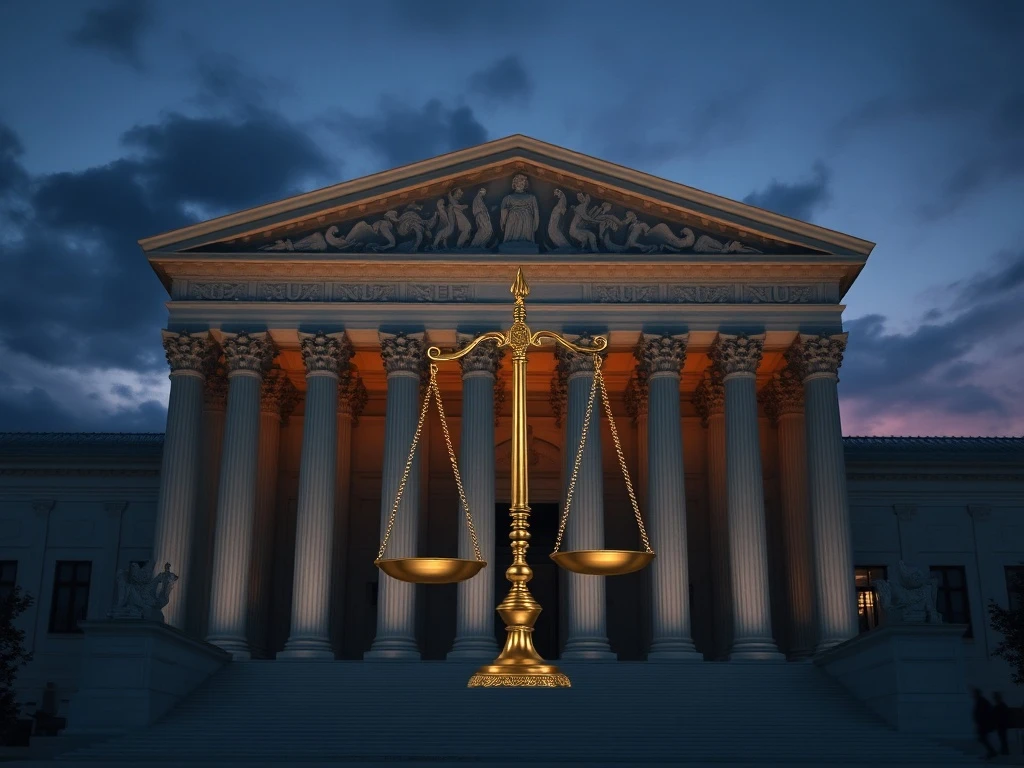
WASHINGTON D.C., January 2025 – The United States Supreme Court created significant uncertainty in global markets today by withholding its anticipated ruling on the legality of former President Donald Trump’s universal global tariffs. The Court’s scheduled opinion session on Wednesday, January 14, concluded without the expected decision, leaving international trade policy in a state of suspended animation and triggering immediate reactions across economic sectors.
Supreme Court Tariffs Decision Postponed Amid Complex Review
The Supreme Court’s silence on this landmark case represents more than a simple procedural delay. Legal experts immediately noted that the Court typically announces decisions on scheduled opinion days when rulings are ready. Consequently, the absence of a ruling suggests several possibilities. The justices might require additional time for deliberation on this complex constitutional matter. Alternatively, they could be crafting multiple opinions or concurrences that address different aspects of the case. This development follows nearly two years of litigation challenging the authority behind the tariff implementation.
Former President Trump’s administration implemented the universal global tariffs in 2021 under Section 232 of the Trade Expansion Act of 1962. This provision allows the president to adjust imports that threaten national security. However, multiple legal challenges emerged immediately. Opponents argued the tariffs exceeded statutory authority and violated constitutional separation of powers. The Court’s decision to hear the consolidated cases last term signaled the importance of the constitutional questions presented.
Historical Context of Presidential Trade Authority
Presidential authority over international trade has evolved significantly throughout American history. The Constitution grants Congress power “to regulate Commerce with foreign Nations.” However, Congress has delegated substantial authority to the executive branch through various trade acts. The Trade Act of 1974, for instance, expanded presidential power to address unfair trade practices. Similarly, the International Emergency Economic Powers Act provides authority during declared national emergencies.
Previous Supreme Court decisions have shaped this landscape. In United States v. Curtiss-Wright Export Corp. (1936), the Court recognized broader executive authority in foreign affairs. More recently, in Department of Commerce v. New York (2019), the Court addressed presidential authority in trade-related matters. The current case tests the boundaries of these precedents against modern global economic realities.
Immediate Economic Impact of Judicial Uncertainty
The delayed ruling creates immediate practical consequences for businesses and governments worldwide. Companies that planned investments based on anticipated tariff clarity must now reconsider their strategies. Supply chain managers face continued uncertainty about long-term cost structures. International trade agreements negotiated with tariff assumptions may require re-evaluation. Financial markets reacted within hours of the announcement.
- Stock Market Volatility: Industrial and manufacturing sectors experienced immediate sell-offs
- Currency Fluctuations: The U.S. dollar showed unusual volatility against major trading partners’ currencies
- Commodity Price Movements: Aluminum, steel, and agricultural futures displayed increased trading volume
- Corporate Guidance Revisions: Several multinational corporations announced they would update earnings guidance pending resolution
International trade organizations expressed concern about the continuing uncertainty. The World Trade Organization had previously criticized the tariffs as violations of international trade rules. However, the organization’s dispute settlement mechanism remains partially paralyzed, limiting formal responses. Meanwhile, trading partners continue their own retaliatory measures, creating a complex web of trade restrictions.
Legal Analysis of the Pending Tariffs Case
The constitutional questions before the Supreme Court center on separation of powers and statutory interpretation. Plaintiffs argue that the universal global tariffs exceed congressional delegation of authority. They contend that Section 232 requires specific national security findings for each product category. The government maintains that the statute provides broad discretion to address evolving threats. This fundamental disagreement requires careful judicial resolution.
Legal scholars note several particularly challenging aspects of the case. First, the Court must determine the appropriate level of deference to executive national security determinations. Second, it must interpret statutory language that Congress wrote during the Cold War era. Third, the justices must consider the practical implications of their decision for future administrations. These complexities likely contribute to the extended deliberation period.
| Legal Issue | Plaintiff Position | Government Position |
|---|---|---|
| Statutory Authority | Section 232 requires specific product findings | Statute provides broad discretionary authority |
| National Security Definition | Limited to military and direct defense needs | Includes economic security and industrial base |
| Congressional Delegation | Excessive delegation violates separation of powers | Proper delegation within historical precedent |
| Procedural Requirements | Insufficient investigation and documentation | Met all statutory procedural requirements |
Expert Perspectives on Judicial Timing
Constitutional law professors from leading universities provided analysis of the delay. Professor Elena Rodriguez of Georgetown Law Center noted, “The Court’s decision to withhold the ruling suggests deep divisions or particularly complex legal questions. Major separation-of-powers cases often require extensive negotiation among justices.” Meanwhile, Professor Michael Chen of Stanford Law School observed, “The timing matters significantly. If the Court issues its decision later this term, it could coincide with peak planning periods for international businesses.”
Former federal judges offered additional insights based on their experience. Judge Sandra Wilkins, who served on the Court of International Trade, explained, “Trade cases involve intricate statutory frameworks and economic data. The justices likely seek consensus on how their ruling will affect not just this case but future trade policy.” These expert perspectives highlight the decision’s broader implications beyond the immediate parties.
Global Reactions to Extended Uncertainty
International responses to the delayed ruling varied by trading relationship and economic interest. The European Union’s trade commissioner expressed disappointment but acknowledged judicial processes. China’s commerce ministry issued a statement urging “timely resolution to provide clarity for global economic recovery.” Japan and South Korea, both significantly affected by the tariffs, coordinated their responses through diplomatic channels.
Developing nations expressed particular concern about prolonged uncertainty. Many had negotiated temporary exemptions that require renewal decisions. Agricultural exporters in Latin America and Africa face planting decisions that depend on market access. Manufacturing centers in Southeast Asia must determine production levels without knowing final tariff rates. This global impact underscores the interconnected nature of modern trade relationships.
International legal experts noted potential implications for dispute resolution mechanisms. Some suggested that prolonged uncertainty might encourage more countries to pursue bilateral agreements outside established frameworks. Others warned that delayed resolution could undermine confidence in rule-based trading systems. These concerns reflect broader tensions in international economic governance.
Historical Precedents for Major Economic Decisions
The Supreme Court has previously delayed significant economic rulings during periods of national importance. In 1935, the Court postponed decisions on New Deal legislation amid economic crisis. During the 1970s energy crises, the Court carefully timed rulings on presidential emergency powers. More recently, the Affordable Care Act decisions required extended deliberation periods. These historical examples provide context for understanding the current delay.
Each delayed decision carried specific consequences. The New Deal delays allowed legislative adjustments before final rulings. The energy cases coincided with congressional efforts to clarify statutory authority. The healthcare decisions emerged during implementation of complex systems. The current tariffs case similarly intersects with ongoing international negotiations and domestic economic planning.
Business Community Response Strategies
Major industry associations immediately developed contingency plans following the non-ruling announcement. The National Association of Manufacturers advised members to maintain flexible supply chains. The U.S. Chamber of Commerce established a task force to monitor developments and provide updates. Export-oriented industries increased lobbying efforts for congressional action regardless of the ultimate judicial outcome.
Small businesses face particular challenges due to limited resources for contingency planning. Many rely on imported components or export markets affected by the tariffs. Trade associations representing smaller enterprises requested extended comment periods for any eventual implementation plans. They also sought clarification about potential retroactive applications depending on the Court’s final decision.
Potential Scenarios Following Supreme Court Action
Several possible outcomes exist once the Court eventually rules. The justices could uphold the tariffs entirely, validating broad presidential authority. Alternatively, they might strike down the tariffs as exceeding statutory authority. A middle approach could remand the case for further proceedings with specific guidance. Each scenario carries distinct implications for trade policy and economic planning.
- Complete Upholding: Validates expansive executive trade authority, potentially encouraging similar actions
- Complete Rejection: Requires congressional action for significant tariff changes, shifting power dynamics
- Partial Remand: Creates ongoing litigation with specific standards for future implementation
- Procedural Requirements: Mandates additional processes without invalidating substantive authority
Each outcome would trigger different responses from Congress, the executive branch, and trading partners. Legislative responses might include statutory revisions to clarify authority. Executive actions could involve modified tariff implementations. International negotiations would adjust based on the clarified legal landscape. These cascading effects explain the careful attention to the pending decision.
Conclusion
The Supreme Court’s decision to withhold its ruling on Trump’s global tariffs creates significant uncertainty in international trade policy. This development affects businesses, governments, and consumers worldwide. The delayed decision reflects the complex constitutional questions presented regarding presidential authority and congressional delegation. Historical precedents suggest such delays often precede landmark rulings with far-reaching consequences. As the Court continues its deliberations, stakeholders across the global economy await clarification that will shape trade relationships for years to come. The ultimate Supreme Court tariffs ruling will establish important precedents for presidential authority in an interconnected global economy.
FAQs
Q1: Why did the Supreme Court delay its ruling on the tariffs case?
The Court typically announces decisions when rulings are fully prepared. The delay suggests the justices require additional time for deliberation on complex constitutional questions, possibly involving multiple opinions or particularly difficult legal issues.
Q2: What immediate effects does this delay have on international trade?
The uncertainty affects business investment decisions, supply chain planning, and trade negotiations. Markets have shown volatility, and companies must reconsider strategies based on anticipated tariff clarity that now remains unresolved.
Q3: What legal authority allows presidents to implement global tariffs?
Presidents primarily use Section 232 of the Trade Expansion Act of 1962, which permits tariff adjustments for national security reasons. Other authorities include the International Emergency Economic Powers Act and specific trade remedy laws.
Q4: How have other countries responded to the delayed Supreme Court decision?
Trading partners have expressed concern about prolonged uncertainty. Responses range from diplomatic statements urging resolution to continued implementation of retaliatory measures while awaiting final determination of the tariffs’ legality.
Q5: What happens if the Supreme Court eventually rules against the tariffs?
A ruling against the tariffs would likely require their removal or modification. Congress might need to clarify statutory authority, and affected businesses could seek tariff refunds. International negotiations would adjust based on the new legal landscape.
Q6: When might the Supreme Court issue its final ruling on this case?
The Court could announce the decision at any scheduled opinion day during the current term, which typically concludes in late June. The timing depends on when the justices complete their deliberations and opinion drafting.