Thailand’s SEC Unveils Revolutionary Framework for Crypto ETFs and Futures Trading
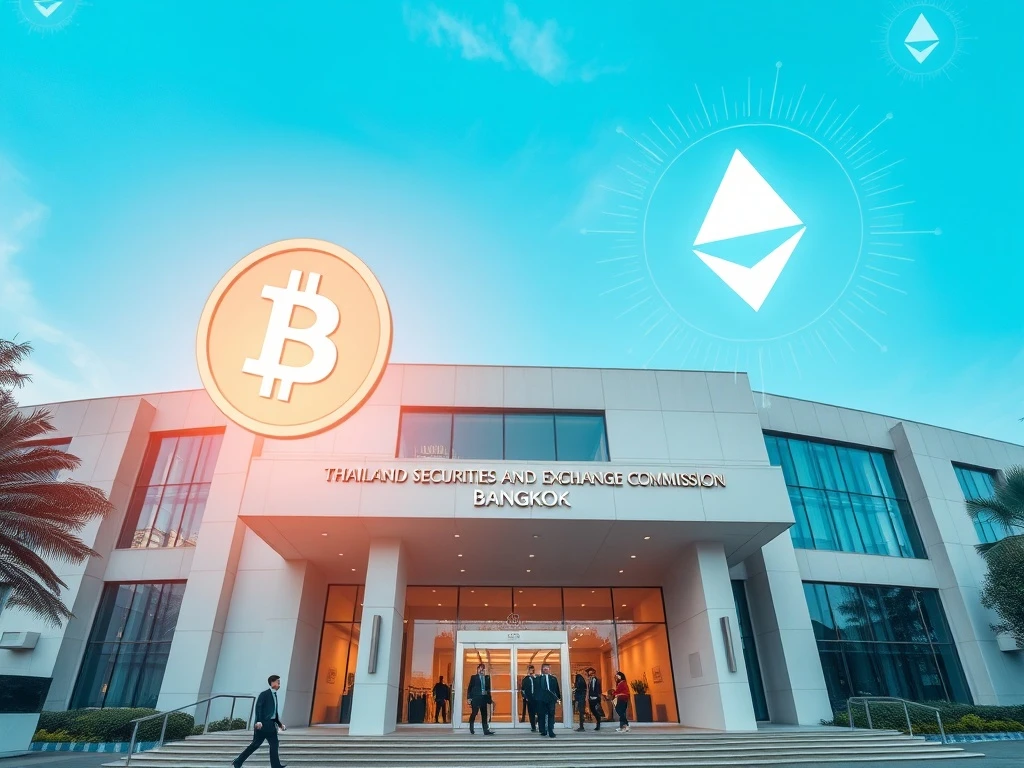
BANGKOK, Thailand – January 2025 marks a pivotal moment for Southeast Asia’s digital economy as Thailand’s Securities and Exchange Commission (SEC) prepares to launch comprehensive regulations for cryptocurrency exchange-traded funds (ETFs) and futures trading. This regulatory advancement positions Thailand at the forefront of institutional cryptocurrency adoption in the region, potentially transforming how both retail and institutional investors access digital assets through regulated financial products. The commission’s forthcoming guidelines represent a significant evolution from Thailand’s previous cautious approach to cryptocurrency regulation, signaling a mature phase in the country’s digital asset framework development.
Thailand’s SEC Crypto ETF Framework: A Regional First
The Thai SEC’s planned cryptocurrency ETF regulations will establish clear guidelines for fund creation, management, and trading by early 2025. These guidelines specifically address custody solutions, valuation methodologies, and disclosure requirements for digital asset-backed investment products. Consequently, Thailand becomes one of the first Southeast Asian nations to formalize such comprehensive ETF regulations, following similar developments in Hong Kong and Singapore. The commission’s approach balances investor protection with market innovation, requiring ETF providers to implement robust security measures and transparent reporting standards.
Market analysts anticipate significant institutional interest once these regulations take effect. Traditional financial institutions in Thailand have already begun preparing infrastructure for cryptocurrency custody and trading services. Moreover, the Bank of Thailand has coordinated with the SEC to ensure alignment between digital asset regulations and broader monetary policy objectives. This regulatory clarity could potentially attract billions in investment capital, particularly from regional wealth management firms seeking regulated exposure to digital assets.
Institutional Crypto Futures Trading on TFEX
The Thailand Futures Exchange (TFEX) will introduce regulated cryptocurrency futures contracts under the new SEC framework, providing institutional investors with sophisticated risk management tools. These futures products will enable hedging strategies and leveraged positions on major cryptocurrencies like Bitcoin and Ethereum. The TFEX infrastructure already supports traditional commodity and financial futures, making the integration of cryptocurrency contracts a logical expansion of existing capabilities.
Regulators have designed the futures trading system with multiple protective mechanisms. These include position limits for retail investors, mandatory risk disclosures, and real-time monitoring of market manipulation. Additionally, the SEC will require futures brokers to maintain higher capital reserves when handling cryptocurrency products compared to traditional assets. This conservative approach reflects lessons learned from cryptocurrency market volatility observed in previous years, particularly during the 2022 market downturn.
Expert Analysis: Thailand’s Strategic Positioning
Financial technology experts note Thailand’s regulatory developments align with broader regional trends while addressing specific local market characteristics. Dr. Somchai Srisuttiyakorn, a blockchain regulation researcher at Chulalongkorn University, explains: “Thailand’s approach combines elements from both U.S. and Hong Kong regulatory models while maintaining distinct features suited to our developing market context. The SEC’s decision to recognize cryptocurrencies as an official asset class under the Derivatives Act provides crucial legal certainty that was previously lacking.”
The regulatory timeline shows deliberate progression. Thailand initially legalized cryptocurrency trading in 2018, established digital asset business licensing in 2021, and now advances to sophisticated investment products in 2025. This phased approach allowed regulators to monitor market developments and implement appropriate safeguards at each stage. Comparative analysis reveals Thailand’s regulations are more comprehensive than Vietnam’s but slightly more conservative than Singapore’s framework, striking a balance between innovation and stability.
Tokenized Investment Products and Market Infrastructure
Beyond ETFs and futures, Thailand’s SEC will establish guidelines for tokenized traditional assets, including real estate, commodities, and corporate bonds. These tokenized products will leverage blockchain technology to fractionalize ownership and enhance liquidity for traditionally illiquid assets. The regulatory framework distinguishes between security tokens (representing traditional financial instruments) and utility tokens (providing access to specific services), with different compliance requirements for each category.
The commission’s market-making system aims to ensure adequate liquidity for new cryptocurrency investment products. Approved market makers will receive specific obligations and incentives to maintain orderly markets, particularly during periods of high volatility. This system mirrors established practices in traditional securities markets but incorporates additional safeguards for 24/7 cryptocurrency trading.
| Year | Regulatory Development | Key Impact |
|---|---|---|
| 2018 | Legalization of cryptocurrency trading | Established basic legal status for digital assets |
| 2021 | Digital Asset Business Decree implementation | Licensing framework for exchanges and brokers |
| 2023 | Enhanced investor protection rules | Stricter advertising standards and risk disclosures |
| 2025 | ETF and futures regulations (forthcoming) | Institutional investment pathways and sophisticated products |
Implementation challenges remain despite the comprehensive framework. Regulators must address cross-border regulatory arbitrage, technological risks in custody solutions, and potential market concentration among a few large providers. The SEC has established a dedicated digital asset monitoring division to track these issues and propose adjustments as the market evolves. International cooperation with regulators in Singapore, Japan, and the United States will help address cross-jurisdictional concerns.
Economic Implications and Regional Competition
Thailand’s regulatory advancements occur within a competitive Southeast Asian landscape where multiple jurisdictions seek to establish themselves as digital asset hubs. Singapore’s comprehensive Payment Services Act, Hong Kong’s retail trading approvals, and Japan’s longstanding cryptocurrency framework create both competitive pressure and collaborative opportunities. Thailand’s distinctive approach emphasizes gradual institutional adoption rather than rapid retail market expansion, differentiating its strategy from regional counterparts.
The economic implications extend beyond financial markets. Thailand’s tourism authority explores blockchain-based loyalty programs, while agricultural exporters investigate commodity tokenization. These applications leverage the same regulatory foundation being established for financial products. The Digital Economy Promotion Agency estimates blockchain technology could contribute 2-3% to Thailand’s GDP by 2030, with financial applications representing the largest segment of this growth.
Key implementation considerations include:
- Custody requirements: Mandatory cold storage for majority of assets with insurance provisions
- Audit standards: Quarterly proof-of-reserves audits by licensed firms
- Tax treatment: Capital gains taxes apply but with holding period considerations
- Cross-border flows: Reporting requirements for international transactions above threshold amounts
Conclusion
Thailand’s SEC crypto ETF and futures regulations represent a watershed moment for institutional digital asset adoption in Southeast Asia. The comprehensive framework balances innovation with investor protection, providing clear guidelines for product development while maintaining necessary safeguards. As these regulations take effect in early 2025, market participants anticipate increased institutional participation, enhanced market liquidity, and greater integration between traditional and digital finance. Thailand’s measured approach to cryptocurrency regulation demonstrates how emerging economies can foster financial innovation while maintaining market stability, potentially serving as a model for other jurisdictions navigating similar technological transitions.
FAQs
Q1: When will Thailand’s crypto ETF regulations officially take effect?
The Thai SEC plans to release final guidelines for cryptocurrency ETFs by early 2025, with market participants expecting trading to commence within the first half of the year following operational preparations by licensed providers.
Q2: What cryptocurrencies will be eligible for ETF inclusion initially?
Regulators will likely approve major cryptocurrencies with established track records first, including Bitcoin and Ethereum, before considering additional assets based on market capitalization, liquidity, and technical stability metrics.
Q3: How will Thailand’s approach differ from U.S. Bitcoin ETFs?
Thailand’s framework incorporates specific provisions for Southeast Asian market characteristics, including different custody requirements, retail investor protections, and integration with existing financial infrastructure like the TFEX.
Q4: Can foreign investors participate in Thailand’s crypto futures market?
Yes, foreign institutional investors will have access through licensed brokers, though they must comply with know-your-customer requirements and may face additional reporting obligations depending on their jurisdiction.
Q5: What safeguards protect retail investors in this new framework?
The regulations include position limits for retail traders, mandatory risk assessment questionnaires, enhanced disclosure requirements, and segregated customer funds to prevent commingling with exchange assets.