Binance BEP20 Suspension: Critical Maintenance Halts Deposits and Withdrawals on Jan. 23
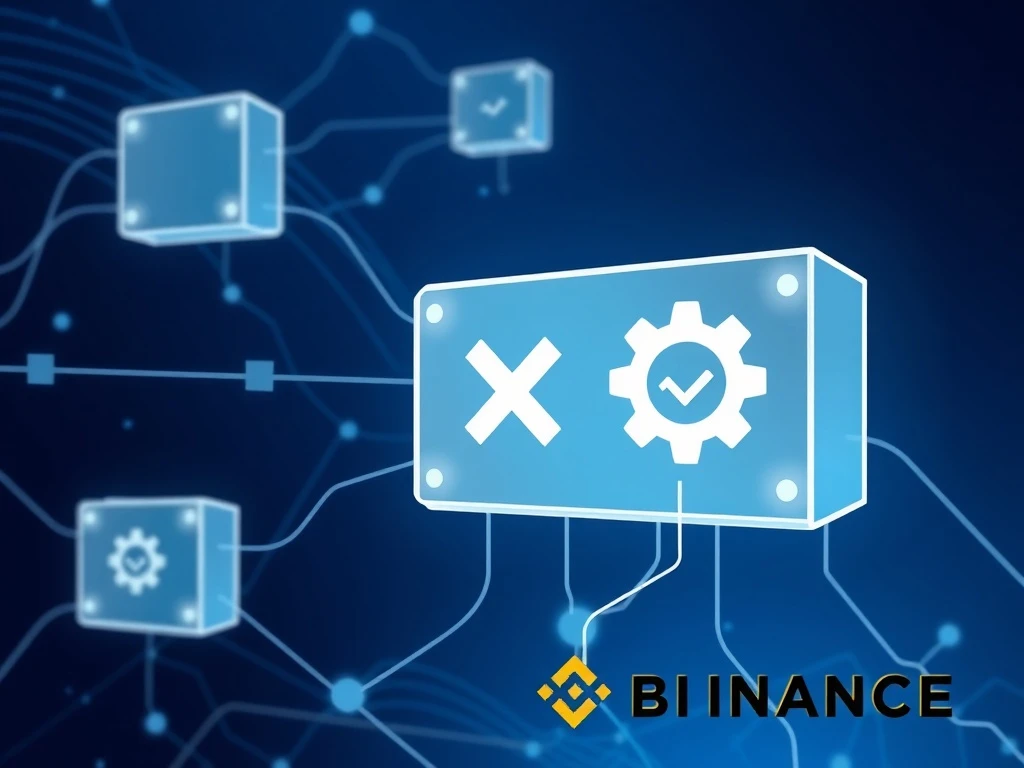
Global cryptocurrency exchange Binance has announced a temporary but significant operational pause, revealing plans to suspend all deposits and withdrawals on the BNB Smart Chain (BEP20) network. This essential maintenance window begins precisely at 06:55 UTC on January 23, impacting a core component of the Binance ecosystem. Consequently, users and projects relying on the BEP20 standard must prepare for this planned interruption in service. This proactive measure highlights the ongoing infrastructure demands within the rapidly evolving blockchain sector.
Understanding the Binance BEP20 Suspension Details
Binance communicated this maintenance schedule through its official channels, providing users with advance notice. The suspension affects all transaction types involving the BEP20 token standard on the BNB Smart Chain. This includes deposits to Binance wallets and withdrawals from the exchange to external BEP20-compatible wallets. However, trading of BEP20-based assets on the Binance spot and futures markets will continue unaffected during this period. The exchange has not specified an exact duration for the maintenance, but such operations typically last several hours.
Historically, Binance executes these maintenance windows to implement critical upgrades, enhance security protocols, or optimize network performance. For instance, similar past events have involved updates to node software, improvements to transaction processing speed, or integration of new security features. The BNB Smart Chain, as a high-throughput blockchain compatible with the Ethereum Virtual Machine, requires periodic updates to maintain its efficiency and security posture amidst growing adoption.
The Technical Rationale Behind BNB Smart Chain Maintenance
Blockchain networks, like all complex software systems, require scheduled maintenance for long-term health and security. The BNB Smart Chain, which processes millions of transactions daily, undergoes periodic upgrades to patch vulnerabilities, improve consensus mechanisms, and deploy new functionalities. This particular maintenance event on January 23 likely aligns with a planned network upgrade or hard fork. Such upgrades often introduce enhanced features, reduce gas fees, or improve interoperability with other chains.
Furthermore, regular maintenance helps prevent unscheduled downtime and protects user funds. By proactively addressing potential system strain or implementing new security layers, exchanges like Binance mitigate risks. This practice is standard across the technology and finance industries, where system integrity is paramount. Notably, other major exchanges and blockchain networks announce similar planned suspensions, demonstrating an industry-wide commitment to operational resilience.
Expert Analysis on Exchange Infrastructure Management
Industry analysts view these planned maintenance events as a sign of mature platform management. “Scheduled downtime for upgrades is a standard, responsible practice in tech infrastructure,” notes a blockchain infrastructure report from CoinMetrics. It indicates proactive governance rather than reactive firefighting. For users, the key differentiator is the communication and predictability of such events. Binance’s advance notice allows developers, traders, and decentralized application (dApp) operators to plan around the outage, minimizing disruption to their operations and financial strategies.
The timing of the maintenance is also crucial. By selecting a specific UTC hour, Binance aims to impact the smallest possible number of active users, considering global time zones. This user-centric scheduling is part of a broader trend in crypto service delivery, prioritizing transparency and user experience even during necessary service interruptions. Data from previous maintenance events shows that well-communicated upgrades rarely cause significant market volatility for the native BNB token or associated assets.
Immediate Impact and User Action Guide
The temporary suspension of BEP20 services requires direct action from Binance users. Individuals planning deposits or withdrawals around January 23 must adjust their timing. To ensure smooth transactions, users should complete any urgent BEP20 transfers well before the 06:55 UTC cutoff. Conversely, after the maintenance concludes, users should verify network stability by checking Binance’s official status page before initiating large transactions.
- Complete Transactions Early: Finalize all BEP20 deposits and withdrawals several hours before the scheduled start time.
- Monitor Official Channels: Follow Binance’s announcement page and Twitter account for the “resumption of service” notice.
- Verify Receipts: After service restoration, confirm transaction status on the BNB Smart Chain explorer (BscScan) if needed.
- Alternative Networks: For time-sensitive moves, consider using other supported networks like Ethereum ERC20 or Polygon, though fees and speeds differ.
This maintenance does not affect assets on other blockchain networks supported by Binance, such as Ethereum (ERC20), Solana, or Polygon. Trading activities across all markets also continue as normal. The isolation of the impact to BEP20 demonstrates the modular design of modern exchange architecture.
Broader Context of Blockchain Network Upgrades in 2025
The year 2025 continues a trend of major blockchain networks prioritizing scalability and security upgrades. The BNB Smart Chain’s maintenance occurs within an ecosystem where Ethereum continues its rollup-centric roadmap, Solana focuses on congestion solutions, and new Layer-2 networks proliferate. These upgrades are essential for supporting the next wave of decentralized finance (DeFi) and real-world asset (RWA) tokenization projects, which demand higher throughput and lower costs.
Moreover, regulatory scrutiny on exchange operational resilience has increased globally. Proactive, documented maintenance schedules contribute to an exchange’s compliance posture, demonstrating control over critical infrastructure. This Binance BEP20 event follows established best practices for financial market infrastructure, even in the decentralized digital asset space. The predictable nature of such pauses helps build institutional confidence in cryptocurrency platforms as reliable financial venues.
Conclusion
The scheduled Binance BEP20 suspension on January 23 represents a routine yet critical infrastructure update for the BNB Smart Chain. This planned maintenance underscores the technical diligence required to operate a global cryptocurrency exchange at scale. Users should heed the provided timeline to avoid transaction delays, while recognizing that such operational pauses are a normal aspect of blockchain ecosystem development. Ultimately, these necessary upgrades aim to enhance the network’s security, efficiency, and reliability for all participants, reinforcing the underlying infrastructure that supports the dynamic digital asset economy.
FAQs
Q1: What exactly is being suspended by Binance on January 23?
A1: Binance is temporarily suspending all deposit and withdrawal functions for tokens using the BEP20 standard on the BNB Smart Chain. This affects moving assets to and from the exchange via that specific network.
Q2: Will I be able to trade BNB or other BEP20 tokens during this time?
A2: Yes. The suspension only affects deposits and withdrawals on the BEP20 network. Trading of all assets, including BNB and other BEP20-based tokens, on Binance’s spot and futures markets will operate normally.
Q3: How long will the BEP20 suspension last?
A3: Binance has not announced a specific end time. Similar past maintenance windows have typically lasted between 1 to 4 hours. Users should monitor Binance’s official announcements for the service restoration notice.
Q4: Are my funds safe during the maintenance?
A4: Yes. Funds remain secure in wallets. Maintenance involves backend network and node updates, not direct access to user wallets or private keys. This is a standard procedure for security and upgrade purposes.
Q5: Can I use another network to deposit or withdraw during the BEP20 outage?
A5: Yes. Binance supports multiple blockchain networks. If you need to move assets, you can use an alternative network like Ethereum (ERC20), Polygon, or Arbitrum, provided the specific token is available on that network and you consider the differing transaction fees and speeds.