Venezuelan Demand for USDT Skyrockets 40% After Devastating US Military Intervention
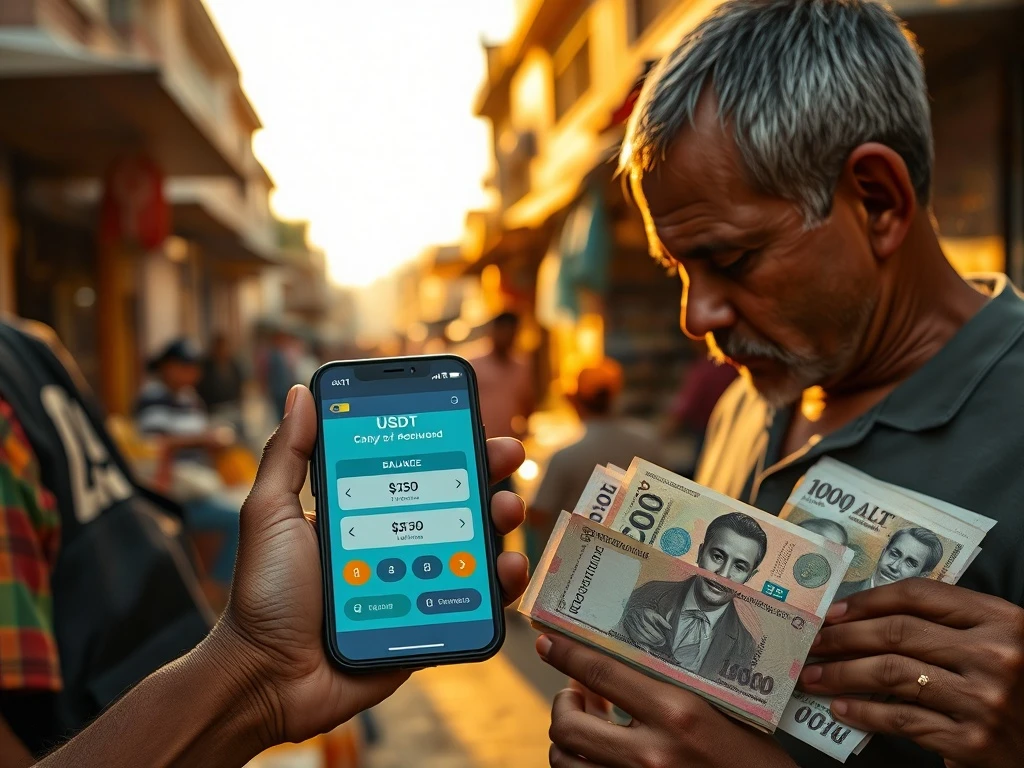
CARACAS, Venezuela – November 2025: Venezuelan demand for the stablecoin USDT has surged dramatically following recent U.S. military intervention, with residents converting their rapidly depreciating bolivars into digital dollars at unprecedented rates. This remarkable shift represents a critical case study in how geopolitical instability accelerates cryptocurrency adoption during national emergencies. According to CNBC reports, the price of USDT reached approximately $1.40 in some Venezuelan peer-to-peer markets, representing a significant premium over its intended $1.00 peg.
Venezuelan Demand for USDT Reaches Crisis Levels
The immediate trigger for this surge occurred earlier this month when U.S. airstrikes targeted specific installations within Venezuela. Consequently, financial markets reacted with extreme volatility. Meanwhile, Venezuelan citizens faced renewed economic uncertainty. Therefore, many turned to cryptocurrency solutions. Specifically, trading volumes for USDT on local exchanges increased by over 300% within 48 hours. Furthermore, peer-to-peer platforms reported unprecedented activity.
Li Haonan, co-founder and CEO of blockchain infrastructure company Codex, provided crucial context. He explained that USDT prices in Venezuela rose by approximately 40% in a single day. Importantly, he emphasized this movement did not stem from speculative retail trading. Instead, residents sought a safe haven asset during an emergency. “This represents genuine demand for financial preservation,” Haonan stated. “People need assets that retain value when traditional systems falter.”
Historical Context of Venezuela’s Financial Crisis
Venezuela’s economic struggles predate recent military actions significantly. The country has experienced hyperinflation for nearly a decade. In fact, the bolivar has lost over 99.9% of its value since 2018. As a result, citizens have increasingly turned to alternative stores of value. Initially, many used physical U.S. dollars. However, dollar scarcity created accessibility issues. Subsequently, cryptocurrency adoption grew steadily.
Several factors made Venezuela particularly receptive to cryptocurrency solutions:
- Established Crypto Infrastructure: Venezuela already had functioning peer-to-peer markets
- Mobile Internet Penetration: Widespread smartphone access enabled digital transactions
- Remittance Networks: Diaspora communities used crypto to send funds home
- Government Experimentation: Previous state crypto projects created public awareness
The Mechanics of Stablecoin Premiums
Understanding why USDT traded at $1.40 requires examining market mechanics. Essentially, supply and demand dynamics created this premium. When demand spikes suddenly, available supply cannot adjust quickly enough. Therefore, buyers pay more to secure limited tokens. This phenomenon frequently occurs in markets with capital controls or currency restrictions.
The table below illustrates recent USDT price movements in Venezuelan markets:
| Date | USDT Price (Bolivar Equivalent) | Premium Over Peg | Primary Driver |
|---|---|---|---|
| October 28 | $1.02 | 2% | Normal trading |
| November 5 | $1.40 | 40% | Post-intervention surge |
| November 12 | $1.25 | 25% | Sustained demand |
Global Implications for Cryptocurrency Adoption
The Venezuelan situation provides valuable insights for global observers. Specifically, it demonstrates how cryptocurrencies function during geopolitical crises. Traditionally, gold and U.S. Treasury bonds served as primary safe havens. However, digital assets now offer additional options. Their borderless nature provides particular advantages. Additionally, accessibility through smartphones creates unprecedented reach.
Other nations with unstable currencies monitor these developments closely. Countries like Argentina, Turkey, and Lebanon face similar economic challenges. Consequently, their citizens might follow Venezuela’s example. Already, cryptocurrency adoption grows in these regions. Future crises could accelerate this trend exponentially.
Expert Analysis of Market Dynamics
Financial analysts emphasize several key points about this event. First, the premium indicates genuine utility rather than speculation. Second, the speed of adoption surprised many observers. Third, regulatory responses will shape future developments. Central banks worldwide now confront difficult questions. Should they embrace or restrict these technologies?
Dr. Elena Rodriguez, an economist specializing in emerging markets, explains the broader significance. “Venezuela represents a natural experiment,” she notes. “We observe how populations behave when traditional systems collapse. Their embrace of cryptocurrency isn’t ideological. It’s purely practical. People choose whatever works best for survival.”
Technical Challenges and Infrastructure Strain
Rapid adoption creates technical difficulties inevitably. Venezuelan cryptocurrency exchanges reported server overloads during peak demand. Additionally, blockchain networks experienced congestion. Transaction fees increased temporarily. However, infrastructure generally held firm. This resilience demonstrates technological maturity.
Local entrepreneurs developed innovative solutions previously. For instance, many businesses created simplified interfaces. These designs help non-technical users navigate complex systems. Furthermore, community education efforts proved valuable. Neighborhood workshops taught cryptocurrency basics effectively.
Conclusion
The Venezuelan demand for USDT following U.S. military intervention reveals critical truths about modern finance. When traditional systems falter, populations seek alternatives instinctively. Cryptocurrencies, particularly stablecoins, now serve as legitimate safe havens. This Venezuelan case study demonstrates their real-world utility during crises. Consequently, global financial systems must adapt to this new reality. The 40% USDT premium represents more than a market anomaly. It signals a fundamental shift in how people preserve wealth during instability. Future geopolitical events will likely produce similar patterns elsewhere. Therefore, understanding this Venezuelan demand for USDT provides essential insights for economists, policymakers, and investors worldwide.
FAQs
Q1: Why did USDT trade at $1.40 in Venezuela when it’s pegged to $1.00?
A1: The premium resulted from extreme demand exceeding available supply. When Venezuelans rushed to convert bolivars to USDT simultaneously, buyers paid higher prices to secure limited tokens, creating temporary market dislocation.
Q2: Is this USDT price surge primarily driven by speculation?
A2: According to Codex CEO Li Haonan, speculation played a minimal role. The surge primarily reflected residents seeking asset preservation during geopolitical instability, representing genuine safe-haven demand rather than speculative trading.
Q3: How does cryptocurrency access compare to traditional dollar access in Venezuela?
A3: Cryptocurrency offers significant advantages. Physical dollar bills face scarcity and storage risks. Digital dollars accessed via smartphones provide easier storage, transfer, and divisibility, though they require internet connectivity and technical knowledge.
Q4: Could this pattern repeat in other countries facing similar crises?
A4: Absolutely. Nations with currency instability, capital controls, or geopolitical tensions might experience similar cryptocurrency adoption surges. Argentina, Turkey, Lebanon, and several African nations show early signs of comparable trends.
Q5: What are the main risks Venezuelans face when using USDT during crises?
A5: Key risks include technical issues (internet outages, exchange failures), regulatory uncertainty, price volatility during extreme events, and security concerns (hacks, scams). However, many consider these risks preferable to certain bolivar depreciation.