Ingenico’s Revolutionary Partnership with WalletConnect Unlocks Global Stablecoin Payments at Checkout
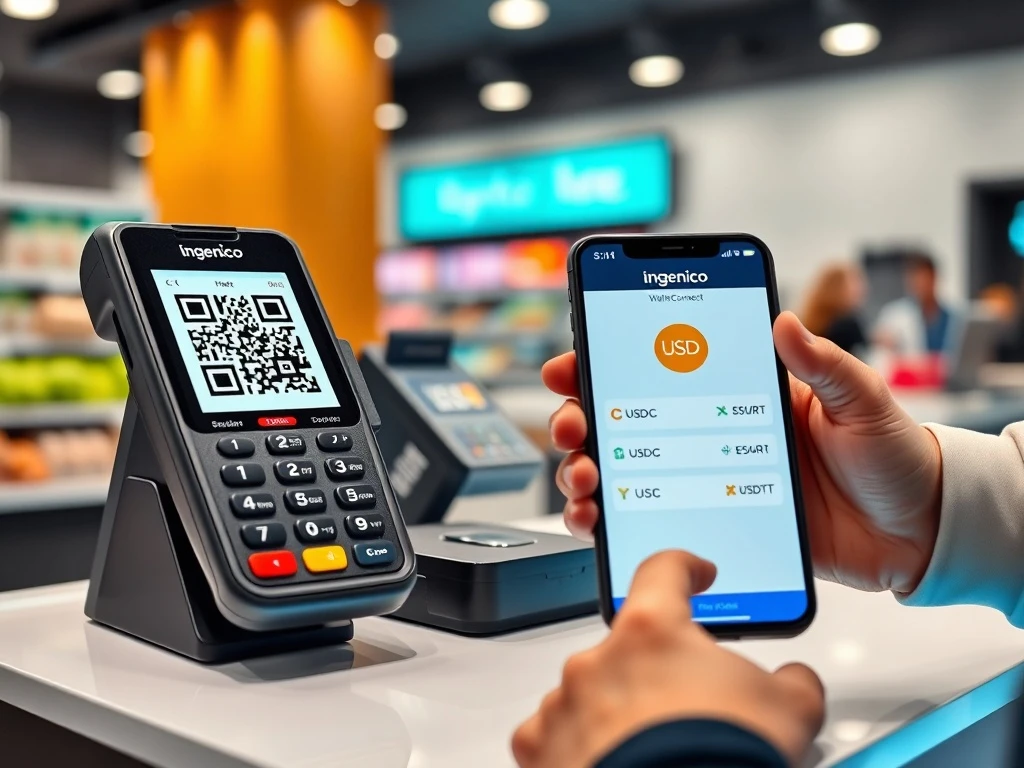
In a landmark move for digital currency adoption, global payments giant Ingenico has partnered with WalletConnect to integrate stablecoin payments directly into its point-of-sale systems worldwide. This strategic integration, announced on December 5, 2024, represents one of the most significant pushes to date for bringing cryptocurrency transactions into mainstream retail environments. By leveraging WalletConnect Pay’s infrastructure, the collaboration enables millions of merchants across 120 countries to accept stablecoin payments without requiring new hardware or complex custody solutions.
Ingenico’s Stablecoin Integration Transforms Retail Payments
Ingenico, a leading provider of payment terminals with approximately 40 million devices deployed globally, has integrated WalletConnect Pay to support direct stablecoin transactions at checkout. This development marks a substantial departure from previous crypto payment solutions that typically relied on card network intermediaries. The integration allows customers to pay using major stablecoins including USDC, EURC, and USDT directly from their mobile wallets, with supported wallets initially including MetaMask and Trust Wallet.
Unlike traditional crypto-linked cards that depend on Visa or Mastercard infrastructure, this new system enables native stablecoin transactions. Payments flow directly from the user’s wallet to the merchant’s payment provider, positioning stablecoins as an independent settlement rail rather than a supplementary payment method. This approach potentially reduces intermediary layers and associated costs while increasing transaction efficiency.
The Technical Architecture Behind the Integration
The integration operates through Ingenico’s existing payment terminals, requiring no additional hardware upgrades at merchant locations. Transactions initiate at the terminal interface and settle through WalletConnect Pay’s specialized infrastructure. According to Ingenico representatives, the system works within current merchant payment stacks, allowing for seamless implementation without disrupting existing operations.
Merchants maintain flexibility in how they receive funds, choosing between stablecoin settlements or automatic conversion to fiat currencies based on their business requirements. This flexibility addresses one of the primary concerns merchants have expressed about cryptocurrency payments—volatility and conversion complexity. The system also includes standardized refund processes that merchants can execute through their existing dashboard interfaces.
Global Reach and Merchant Adoption Pathways
With terminals deployed across 120 countries, Ingenico’s integration possesses immediate global reach. The company reports that millions of its terminals already possess the technical capability to support the stablecoin payment feature. However, actual merchant adoption will depend on individual businesses and their payment providers choosing to enable the option.
“Essentially any Ingenico merchant who wants to accept crypto can,” an Ingenico spokesperson explained, emphasizing that availability depends on merchant preferences and payment provider configurations. This opt-in approach allows merchants to evaluate market demand and operational readiness before implementing stablecoin payments.
The integration arrives as stablecoin adoption continues accelerating globally. According to recent industry reports, the total market capitalization of major stablecoins has grown substantially throughout 2024, with increasing institutional and retail interest in their use for payments and settlements.
Fee Structures and Economic Advantages
WalletConnect CEO Jess Houlgrave highlighted the economic benefits of the integration, particularly for cross-border transactions. “Compared to traditional card rails, fees are much lower across the board,” Houlgrave stated, noting that pricing reflects underlying costs and varies based on whether merchants choose to convert to fiat immediately.
The fee model results from collaborative agreements between WalletConnect Pay, Ingenico, and participating payment service providers. This structure aims to reward ecosystem participants while providing merchants with potentially significant cost savings. Combined with faster settlement times—often minutes rather than days—the model could substantially reduce working capital requirements for businesses.
Multi-Chain Support and Future Roadmap
At launch, WalletConnect Pay supports stablecoin payments across several major blockchain networks, including Ethereum mainnet, Base, Arbitrum, and Polygon. The company plans to add support for Optimism and Solana in subsequent updates. This multi-chain approach ensures broader accessibility and reduces network congestion risks that could affect transaction speeds and costs.
While the initial focus remains on stablecoin payments, WalletConnect acknowledges growing demand for non-stable cryptocurrency transactions. “Stablecoins are the starting point for everyday payments, but adding assets like Bitcoin or ETH is on our roadmap,” Houlgrave confirmed. This phased approach allows the companies to establish reliable infrastructure with relatively stable assets before expanding to more volatile cryptocurrencies.
Addressing Market Demand and Industry Trends
Ingenico CEO Floris de Kort cited growing merchant and consumer interest in stablecoin payments as a primary driver for the partnership. “Our partnership with WalletConnect Pay addresses this by giving our customers a way to accept digital currencies as easily as traditional cards,” de Kort explained. This sentiment echoes broader industry movements toward cryptocurrency integration in traditional finance.
Industry analysts view the integration as part of a larger trend toward cryptocurrency adoption in payments. Haseeb Qureshi, managing partner at crypto-focused venture capital firm Dragonfly, predicted that stablecoin payments will be “one of the big themes of 2026,” suggesting that crypto will become increasingly integrated into payment systems throughout 2025.
The announcement follows other significant developments in crypto payments infrastructure, including Visa-linked stablecoin platform Rain’s recent $250 million funding round after experiencing 30-fold card growth in 2025. These parallel developments indicate growing institutional confidence in cryptocurrency payment solutions.
Technical Safeguards and User Experience Considerations
WalletConnect Pay incorporates multiple safeguards to minimize user errors and ensure transaction security. The system verifies payment networks to prevent incorrect transfers, addressing a common concern in cryptocurrency transactions. Additionally, the integration maintains familiar checkout experiences for consumers while adding cryptocurrency options.
For merchants, the system integrates with existing refund and reconciliation processes, reducing operational complexity. Standardized dashboard controls allow merchants to process refunds with minimal additional training or system modifications. This approach prioritizes practical implementation over technological novelty.
Comparative Analysis: Traditional vs. Stablecoin Payments
| Feature | Traditional Card Payments | Ingenico-WalletConnect Stablecoin Payments |
|---|---|---|
| Settlement Time | 1-3 business days | Minutes |
| Cross-Border Fees | 2-4% + currency conversion | Lower variable rates |
| Infrastructure | Card network dependent | Direct blockchain settlement |
| Hardware Requirements | Standard terminals | Existing terminals compatible |
| Currency Options | Fiat currencies | Multiple stablecoins + optional fiat |
Potential Impact on Global Payments Landscape
The Ingenico-WalletConnect partnership could significantly influence how businesses and consumers approach payments, particularly for cross-border transactions. By providing a viable alternative to traditional card networks, the integration introduces competition that may drive innovation and cost reduction across the payments industry.
For developing markets with limited access to traditional banking infrastructure, stablecoin payments could offer improved financial inclusion. The system’s global reach through Ingenico’s extensive terminal network creates opportunities for merchants in regions with volatile local currencies or restrictive financial systems.
Industry observers will monitor adoption rates closely, as merchant uptake will determine the integration’s practical impact. Early indicators suggest particular interest from merchants engaged in international trade, digital goods sales, and businesses serving cryptocurrency-native customers.
Regulatory Considerations and Compliance Framework
The integration operates within existing regulatory frameworks for payment processing, with compliance measures built into the WalletConnect Pay infrastructure. Both companies emphasize adherence to relevant financial regulations, including anti-money laundering (AML) and know-your-customer (KYC) requirements where applicable.
Merchants utilizing the stablecoin payment option must comply with local regulations governing cryptocurrency transactions. Ingenico and WalletConnect provide guidance and tools to help merchants navigate these requirements, though ultimate compliance responsibility rests with individual businesses and their payment providers.
Conclusion
Ingenico’s integration of WalletConnect Pay represents a substantial advancement in cryptocurrency payment infrastructure, bringing stablecoin transactions to mainstream retail checkout worldwide. By enabling direct stablecoin payments without additional hardware requirements, the partnership addresses key barriers to cryptocurrency adoption in physical commerce. The integration’s global reach, multi-chain support, and flexible settlement options position it as a potentially transformative development in payments technology. As merchant adoption progresses throughout 2025, this collaboration could significantly influence how businesses and consumers transact globally, potentially reducing costs, accelerating settlements, and expanding financial access.
FAQs
Q1: What stablecoins does the Ingenico-WalletConnect integration support?
The integration initially supports USDC (USD Coin), EURC (Euro Coin), and USDT (Tether). Additional stablecoins may be added based on market demand and technical compatibility.
Q2: Do merchants need new hardware to accept stablecoin payments?
No. The integration works with existing Ingenico payment terminals that merchants already use. No hardware upgrades or additional devices are required at checkout counters.
Q3: How do refunds work with stablecoin payments?
Merchants process refunds through their standard dashboard interfaces using familiar workflows. The system supports both manual refund initiation and automated processes, similar to traditional payment refunds.
Q4: What are the fee advantages compared to traditional card payments?
Fees are generally lower, particularly for cross-border transactions. Exact pricing varies based on transaction specifics and whether merchants convert to fiat immediately, but the structure eliminates certain intermediary costs associated with card networks.
Q5: Which blockchain networks are supported for stablecoin payments?
The integration initially supports Ethereum mainnet, Base, Arbitrum, and Polygon. Support for Optimism and Solana is planned for subsequent updates, with potential expansion to additional networks based on developer and market demand.