Trump’s Critical Stance: Monitoring Iran Protests and Weighing Strong Response Options
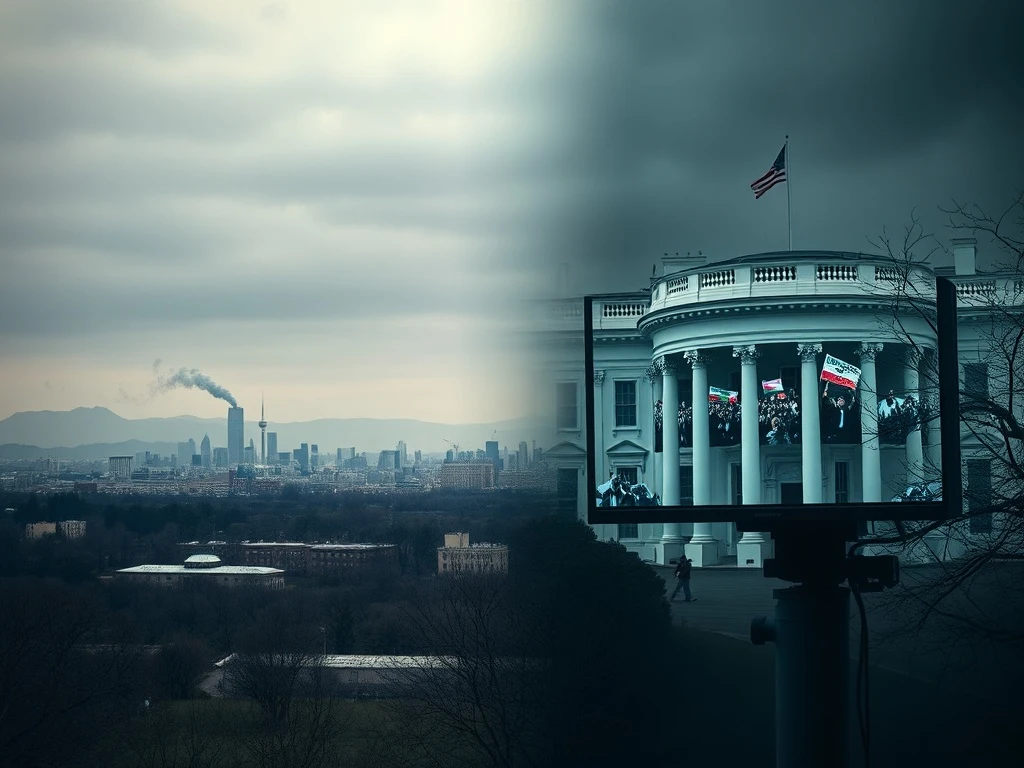
WASHINGTON, D.C., January 2025 – President Donald Trump declared his administration is closely monitoring escalating anti-government protests in Iran while evaluating potential response options, a development that signals renewed geopolitical tensions in the Middle East. This announcement follows weeks of civil unrest across Iranian cities and comes amid already strained diplomatic relations between Washington and Tehran. The Trump administration’s consideration of a strong response to Iran protests represents a significant foreign policy development with potential regional consequences.
Trump’s Monitoring of Iran Protests
President Trump confirmed through official channels that his administration maintains active surveillance of the protest situation in Iran. The White House receives regular intelligence briefings about developments across multiple Iranian provinces. Furthermore, the administration coordinates with regional allies to gather comprehensive information about protest activities. This monitoring extends beyond simple observation to include analysis of protest demographics, organizational structures, and potential triggers for escalation.
The Iranian government faces its most significant domestic challenge in recent years. Protesters initially gathered to demonstrate against economic conditions but have expanded their demands to include political reforms. Security forces have responded with varying levels of restraint and force across different regions. Consequently, international observers express concern about potential human rights violations during these demonstrations.
Historical Context of US-Iran Relations
US-Iran relations have experienced significant volatility across multiple administrations. The 1979 Iranian Revolution fundamentally altered bilateral dynamics when it established the Islamic Republic. Subsequent decades witnessed alternating periods of tension and limited diplomatic engagement. Notably, the 2015 Joint Comprehensive Plan of Action (JCPOA) represented a major diplomatic achievement during the Obama administration. However, President Trump withdrew from this agreement in 2018, reinstating comprehensive sanctions against Iran.
The current protest wave occurs against this complex historical backdrop. Previous administrations have responded differently to Iranian domestic unrest:
- 2009 Green Movement: The Obama administration offered cautious rhetorical support while avoiding direct intervention
- 2017-2018 Protests: The Trump administration implemented maximum pressure sanctions in response
- 2019 Fuel Price Protests: The administration condemned violence but took limited concrete action
Evaluating Strong Response Options
The Trump administration reportedly considers multiple response options to Iran protests, ranging from diplomatic measures to economic actions. Senior officials debate the appropriate level of intervention that would support protesters without triggering broader regional conflict. Additionally, the administration weighs responses that align with broader Middle East policy objectives while considering potential unintended consequences.
Possible response frameworks under consideration include:
| Response Category | Specific Measures | Potential Impact |
|---|---|---|
| Diplomatic Actions | UN resolutions, multilateral statements, embassy-level communications | International pressure without direct confrontation |
| Economic Measures | Targeted sanctions, financial restrictions, trade limitations | Pressure government without harming civilian population |
| Digital Support | Internet access tools, communication platforms, information channels | Facilitate protester coordination and information flow |
| Rhetorical Support | Official statements, media engagements, international forums | Moral encouragement and legitimacy for protest movement |
Regional Security Implications
Any US response to Iran protests carries significant regional security implications. Neighboring countries monitor developments closely due to potential spillover effects. Gulf Cooperation Council members maintain particular concern about Iranian internal stability affecting their security. Meanwhile, Israel watches for potential changes in Iranian regional proxy activities. The broader Middle East faces possible realignment depending on how the protest situation resolves.
Regional experts identify several critical considerations:
- Proxy Force Behavior: Iranian-backed groups in Syria, Iraq, and Lebanon might adjust activities
- Oil Market Stability: Persian Gulf shipping routes could experience disruptions
- Refugee Flows: Neighboring nations might face increased migration pressures
- Arms Control Implications: Nuclear negotiations could be affected by domestic instability
International Community Reactions
The international community displays divided responses to Iran protests and potential US actions. European Union members generally advocate for measured diplomatic approaches rather than confrontational measures. Conversely, some Middle Eastern allies encourage stronger US responses against the Iranian government. Meanwhile, Russia and China typically oppose external interference in sovereign nations’ internal affairs, creating diplomatic complexities at the United Nations Security Council.
Human rights organizations document protest developments while calling for protection of civilian demonstrators. These groups emphasize the importance of distinguishing between government actions and population needs when designing international responses. Additionally, humanitarian agencies monitor potential impacts on civilian access to essential services during periods of unrest.
Economic Dimensions and Sanctions Policy
Iran’s economic situation significantly influences protest dynamics and potential international responses. The country faces multiple economic challenges including high inflation, currency depreciation, and unemployment. US sanctions have substantially impacted Iran’s oil exports and financial sector access. However, debate continues about whether additional economic pressure would strengthen protesters or increase government control through scarcity.
Energy market analysts track several key indicators:
- Oil Production Levels: Iranian output affects global supply calculations
- Shipping Insurance: Maritime coverage for Iranian cargo faces restrictions
- Financial Transactions: International banking access remains limited
- Alternative Suppliers: Other producers might compensate for reduced Iranian exports
Information Environment and Media Coverage
The Iranian government has implemented internet restrictions during protest periods, limiting information flow. International media organizations face challenges verifying developments within the country. Social media platforms experience coordinated campaigns from multiple actors seeking to shape narratives. This information environment complicates accurate assessment of protest scale, government responses, and appropriate international reactions.
Digital rights advocates highlight several concerning trends:
- Internet Shutdowns: Periodic disconnections hinder communication and documentation
- Platform Manipulation: Multiple actors spread conflicting narratives online
- Journalist Access: Foreign media face significant reporting restrictions
- Verification Challenges: User-generated content requires careful authentication
Legal and Normative Frameworks
International law provides complex guidance regarding external responses to internal protests. The United Nations Charter emphasizes sovereignty and non-intervention principles. However, human rights conventions establish obligations regarding fundamental freedoms. This creates tension between respecting state sovereignty and protecting civilian populations. Legal experts debate where appropriate boundaries exist for international responses to domestic unrest.
Historical precedents offer limited guidance due to case-specific factors. Each situation involves unique political contexts, regional dynamics, and international relations considerations. Consequently, policymakers must balance multiple legal, ethical, and strategic factors when designing responses.
Conclusion
President Trump’s announcement regarding monitoring Iran protests and considering response options represents a significant development in Middle East geopolitics. The administration faces complex decisions balancing support for protest movements against risks of regional escalation. Furthermore, any response must consider historical context, current realities, and potential future consequences. The situation continues evolving with implications for US-Iran relations, regional stability, and international norms regarding sovereignty and intervention. Ultimately, developments in Iran will likely influence broader Middle East dynamics regardless of specific US response choices.
FAQs
Q1: What prompted the current protests in Iran?
The protests began primarily as economic demonstrations against inflation and living conditions but have expanded to include broader political demands. Specific triggers included subsidy reductions and price increases for essential goods.
Q2: How has the Iranian government responded to the protests?
Responses have varied by region, with some areas experiencing internet restrictions, increased security presence, and arrests of protest organizers. The government has acknowledged some economic grievances while condemning what it describes as foreign-instigated unrest.
Q3: What types of response options might the US consider?
Options range from diplomatic statements and multilateral coordination to targeted sanctions, digital support for protesters, and enhanced intelligence sharing with regional partners. Military options appear less likely given current circumstances.
Q4: How have other countries reacted to the protests?
European nations generally urge restraint and dialogue, while some Middle Eastern allies support stronger actions against the Iranian government. Russia and China typically oppose external interference in sovereign states’ internal affairs.
Q5: What are the potential regional consequences of US actions?
Possible consequences include changes in Iranian proxy activities, oil market fluctuations, shifts in regional alliances, and impacts on ongoing nuclear negotiations. The specific effects would depend on what actions the US ultimately takes.