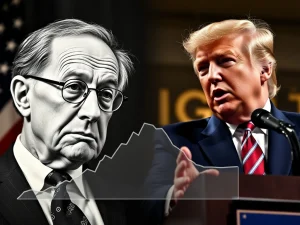
Eric Trump Crypto Legislation Claims Expose Banking Industry’s Shocking Opposition to Digital Asset Regulation
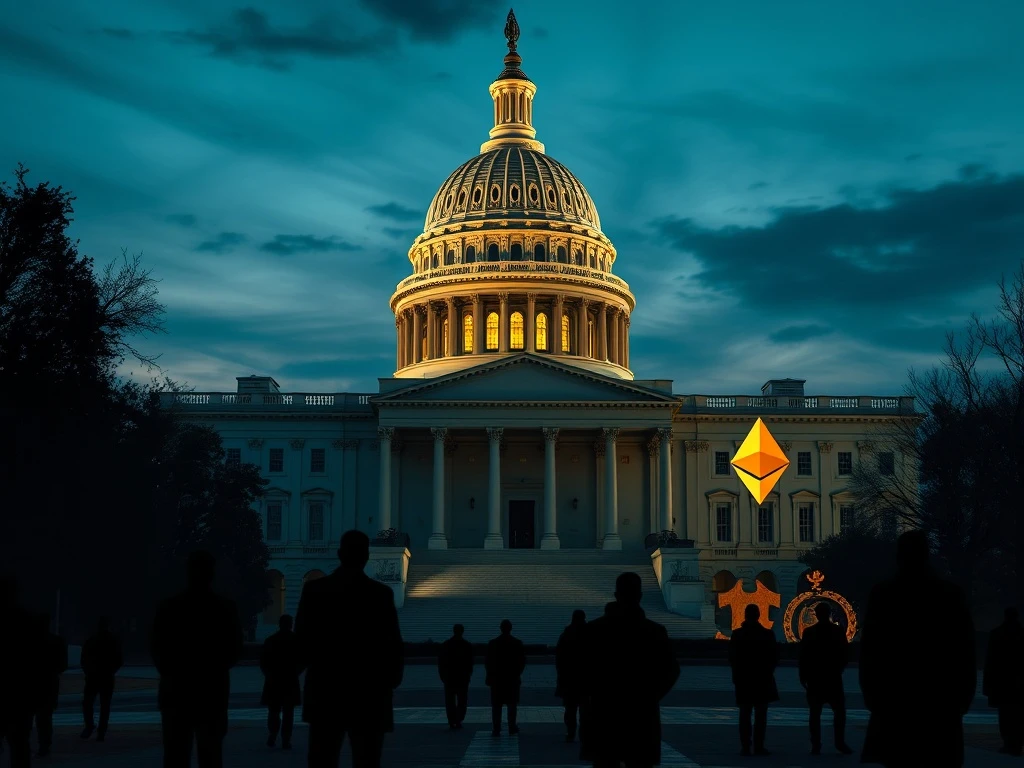
WASHINGTON D.C., March 2025 – Eric Trump’s recent allegation that major financial institutions are actively obstructing cryptocurrency legislation has ignited a fierce debate about banking industry influence on digital asset regulation. The second son of former President Donald Trump made these claims during a Fox Business interview, asserting that traditional banks are deploying extensive resources to block comprehensive crypto regulatory frameworks. This development comes at a critical juncture for digital asset legislation, as multiple bills await Congressional consideration amid growing bipartisan interest in establishing clear rules for the cryptocurrency sector.
Eric Trump Crypto Legislation Claims Spark Regulatory Debate
Eric Trump’s interview with Fox Business revealed specific concerns about banking industry opposition to pending cryptocurrency legislation. According to his statements, financial institutions view comprehensive digital asset regulation as a threat to their traditional business models. Consequently, these banks allegedly employ lobbying efforts to delay or dilute proposed regulations. The cryptocurrency community has closely monitored this situation, especially since several key bills have stalled in Congressional committees despite initial momentum.
Financial industry analysts note that traditional banks have historically approached cryptocurrency with caution. Many institutions initially dismissed digital assets as speculative instruments with limited practical application. However, the rapid growth of blockchain technology and increasing institutional adoption have forced reconsideration. Now, banks face competition from decentralized finance platforms and cryptocurrency-native financial services. This competitive pressure potentially explains their reported resistance to legislation that might legitimize and strengthen alternative financial systems.
Banking Industry’s Historical Stance on Cryptocurrency Regulation
The relationship between traditional banking and cryptocurrency has evolved significantly since Bitcoin’s emergence in 2009. Initially, most financial institutions dismissed digital assets as irrelevant to mainstream finance. Subsequently, growing market capitalization and user adoption forced reconsideration. Major banks now acknowledge cryptocurrency’s potential while expressing concerns about volatility, security, and regulatory uncertainty. This ambivalence creates complex dynamics in legislative discussions.
Banking associations have consistently advocated for regulatory frameworks that prioritize consumer protection and financial stability. Their official statements emphasize the need for clear anti-money laundering protocols and investor safeguards. However, critics argue that these concerns sometimes serve as pretexts for maintaining competitive advantages. The current legislative landscape includes multiple proposals with varying approaches to these issues, creating opportunities for strategic opposition from interested parties.
Expert Analysis of Banking Industry Motivations
Financial regulation experts identify several potential motivations behind banking industry resistance to cryptocurrency legislation. First, established financial institutions benefit from regulatory uncertainty that disadvantages smaller competitors lacking compliance resources. Second, comprehensive regulation might accelerate cryptocurrency adoption, potentially reducing demand for traditional banking services. Third, clear rules could enable new entrants to challenge incumbent institutions more effectively. These factors create powerful incentives for opposition to favorable cryptocurrency legislation.
Industry observers note that banking lobbyists have successfully influenced financial legislation for decades. Their substantial resources and established relationships provide significant advantages in legislative battles. Cryptocurrency advocacy groups, while growing in influence, generally possess fewer resources and less experience with Washington politics. This imbalance potentially explains why cryptocurrency legislation has progressed slowly despite increasing bipartisan support for regulatory clarity.
Current Cryptocurrency Legislative Landscape in 2025
The 118th Congress has introduced multiple cryptocurrency-related bills addressing various regulatory aspects. Key proposals include the Digital Asset Market Structure Act, the Blockchain Regulatory Certainty Act, and the Cryptocurrency Tax Clarity Act. Each proposal approaches regulation differently, creating complex legislative dynamics. Supporters argue that comprehensive legislation would provide necessary clarity for innovation and consumer protection. Opponents cite concerns about regulatory capture and insufficient consumer safeguards.
Recent committee hearings have revealed partisan and industry divisions regarding optimal regulatory approaches. Some legislators advocate for principles-based regulation emphasizing innovation. Others prefer detailed rules prioritizing consumer protection. Banking industry representatives generally testify in favor of stringent regulations that might disadvantage cryptocurrency-native firms. This testimony potentially influences legislative outcomes, particularly among lawmakers with limited cryptocurrency expertise.
| Bill Name | Primary Sponsor | Key Provisions | Current Status |
|---|---|---|---|
| Digital Asset Market Structure Act | Sen. Cynthia Lummis (R-WY) | Defines regulatory jurisdiction, creates registration pathways | Committee Review |
| Blockchain Regulatory Certainty Act | Rep. Tom Emmer (R-MN) | Exempts blockchain developers from certain regulations | Subcommittee Hearing |
| Cryptocurrency Tax Clarity Act | Rep. Patrick McHenry (R-NC) | Clarifies tax treatment of digital asset transactions | Markup Scheduled |
| Digital Consumer Protection Act | Sen. Sherrod Brown (D-OH) | Establishes consumer safeguards for crypto platforms | Introduced |
Legislative progress has been particularly slow for comprehensive cryptocurrency bills. Observers attribute this delay to several factors including competing legislative priorities, technical complexity, and industry opposition. The banking sector’s substantial lobbying expenditures potentially influence this dynamic, though direct causation remains difficult to establish conclusively. What remains clear is that regulatory uncertainty continues affecting cryptocurrency markets and innovation.
Political Dynamics Surrounding Cryptocurrency Regulation
Cryptocurrency regulation has emerged as an increasingly bipartisan issue despite initial partisan divisions. Republican legislators generally emphasize innovation and economic competitiveness. Democratic lawmakers typically prioritize consumer protection and financial inclusion. This ideological divergence creates opportunities for strategic opposition from industries potentially affected by legislation. Banking institutions reportedly exploit these divisions by aligning their arguments with different partisan concerns.
The Trump family’s involvement adds another dimension to this political landscape. Former President Donald Trump has expressed evolving views on cryptocurrency, initially criticizing digital assets but recently acknowledging their growing importance. Eric Trump’s comments reflect this evolving perspective while highlighting specific concerns about industry opposition. Political analysts note that cryptocurrency regulation may feature prominently in upcoming elections, particularly as digital asset ownership becomes more widespread among voters.
Impact on Cryptocurrency Markets and Innovation
Regulatory uncertainty significantly affects cryptocurrency markets and technological development. Entrepreneurs hesitate to launch innovative projects without clear regulatory guidelines. Investors face challenges evaluating regulatory risks associated with different digital assets. Market volatility often increases during periods of regulatory uncertainty, as demonstrated by price fluctuations following major regulatory announcements. Clear legislation could potentially stabilize markets while encouraging responsible innovation.
The banking industry’s reported opposition to cryptocurrency legislation might inadvertently strengthen decentralized alternatives. Many cryptocurrency proponents argue that traditional financial institutions cannot effectively block technological progress. Instead, opposition might accelerate development of decentralized financial systems operating outside traditional regulatory frameworks. This dynamic creates complex considerations for policymakers attempting to balance innovation, consumer protection, and financial stability.
Comparative Analysis: Banking Responses Globally
International approaches to cryptocurrency regulation reveal diverse banking industry responses. Some countries have embraced comprehensive regulatory frameworks with banking sector support. Others have experienced significant industry opposition similar to Eric Trump’s description. These international examples provide valuable context for understanding the United States situation.
- European Union: Implemented comprehensive Markets in Crypto-Assets (MiCA) regulation with banking industry participation
- United Kingdom: Developing phased regulatory approach with significant banking consultation
- Singapore: Established clear licensing framework with banking integration opportunities
- China: Implemented cryptocurrency bans despite banking system technological advancements
- Switzerland: Created innovation-friendly regulations with traditional banking adaptation
These international approaches demonstrate that banking industry responses vary based on regulatory design and national context. Countries incorporating banking perspectives while establishing clear rules generally experience smoother implementation. Nations with adversarial relationships between regulators and financial institutions often face greater implementation challenges. The United States appears positioned between these extremes, with ongoing negotiations determining eventual outcomes.
Conclusion
Eric Trump’s claims about banks obstructing cryptocurrency legislation highlight significant tensions in digital asset regulation. Traditional financial institutions reportedly oppose comprehensive legislation that might accelerate cryptocurrency adoption and competition. This opposition occurs amid complex legislative dynamics involving multiple bills and partisan considerations. The resulting regulatory uncertainty affects markets, innovation, and consumer protection. Ultimately, cryptocurrency legislation’s fate will depend on balancing diverse interests while establishing clear rules for this rapidly evolving sector. Eric Trump crypto legislation comments have intensified debate about banking industry influence, ensuring continued attention to this critical regulatory issue.
FAQs
Q1: What specific legislation is Eric Trump referring to in his comments?
Eric Trump did not specify particular bills but referenced general cryptocurrency legislation efforts in Congress. Multiple proposals are currently under consideration including the Digital Asset Market Structure Act and Blockchain Regulatory Certainty Act.
Q2: How are banks reportedly obstructing cryptocurrency legislation?
According to Eric Trump’s claims, banks employ lobbying efforts, testimony at hearings, and behind-the-scenes advocacy to delay or dilute cryptocurrency regulatory proposals that might threaten their business models.
Q3: What evidence supports claims of banking industry opposition to crypto regulation?
Banking industry representatives have consistently testified in favor of stringent regulations that might disadvantage cryptocurrency firms. Lobbying disclosure reports show substantial financial industry expenditures on financial regulation issues.
Q4: How might cryptocurrency legislation affect traditional banking institutions?
Comprehensive cryptocurrency regulation could legitimize competitive alternatives to traditional banking services, potentially reducing demand for certain financial products while creating new compliance requirements for banks engaging with digital assets.
Q5: What is the current status of cryptocurrency legislation in Congress?
Multiple cryptocurrency bills are in various stages of the legislative process, with none having reached final passage. Committee reviews, hearings, and markups continue as legislators negotiate provisions and address stakeholder concerns.