Nansen AI Trading Solution Launches, Revolutionizing On-Chain Execution for Solana and Base
In a significant move for the cryptocurrency sector, data analytics leader Nansen has officially launched a powerful AI-driven on-chain trading solution. This innovative platform, integrated directly into Nansen’s web and mobile applications, promises to bridge the gap between market analysis and trade execution. Initially available on the Solana and Base blockchains, the solution aims to provide traders with a unified interface for sophisticated analytics and immediate trading actions. The launch, reported by The Block, marks a pivotal step toward more intelligent and accessible decentralized finance (DeFi) tools.
Nansen AI Trading Solution: A New Era for On-Chain Analytics
The core innovation of Nansen’s new offering lies in its seamless integration. Previously, traders used analytics platforms like Nansen to gather intelligence, then switched to separate wallets or decentralized exchanges (DEXs) to execute trades. This new solution collapses that workflow. Consequently, users can now identify opportunities through Nansen’s renowned on-chain data—such as smart money movements, token flow, and wallet profiling—and act on them without leaving the application. This integration directly addresses a key friction point in the DeFi user experience.
Furthermore, the decision to launch first on Solana and Base is strategically significant. Solana is renowned for its high throughput and low transaction costs, making it a hub for active retail and institutional trading. Base, Coinbase’s Ethereum Layer 2 network, has rapidly grown into a major ecosystem for decentralized applications and user onboarding. By targeting these two chains, Nansen positions its AI trading tool at the heart of two of the most vibrant and user-friendly environments in crypto. The architecture likely involves secure wallet integration and direct routing to on-chain liquidity sources.
Technical Architecture and Key Features
While Nansen has not disclosed the full technical specifications, the solution’s framework can be inferred from industry standards. The AI component presumably analyzes vast datasets in real-time, including transaction histories, liquidity pool dynamics, and social sentiment correlations. It then surfaces actionable insights or even generates potential trade signals. The trading module would handle wallet connection, transaction signing, gas optimization, and order routing.
The key features users can expect include:
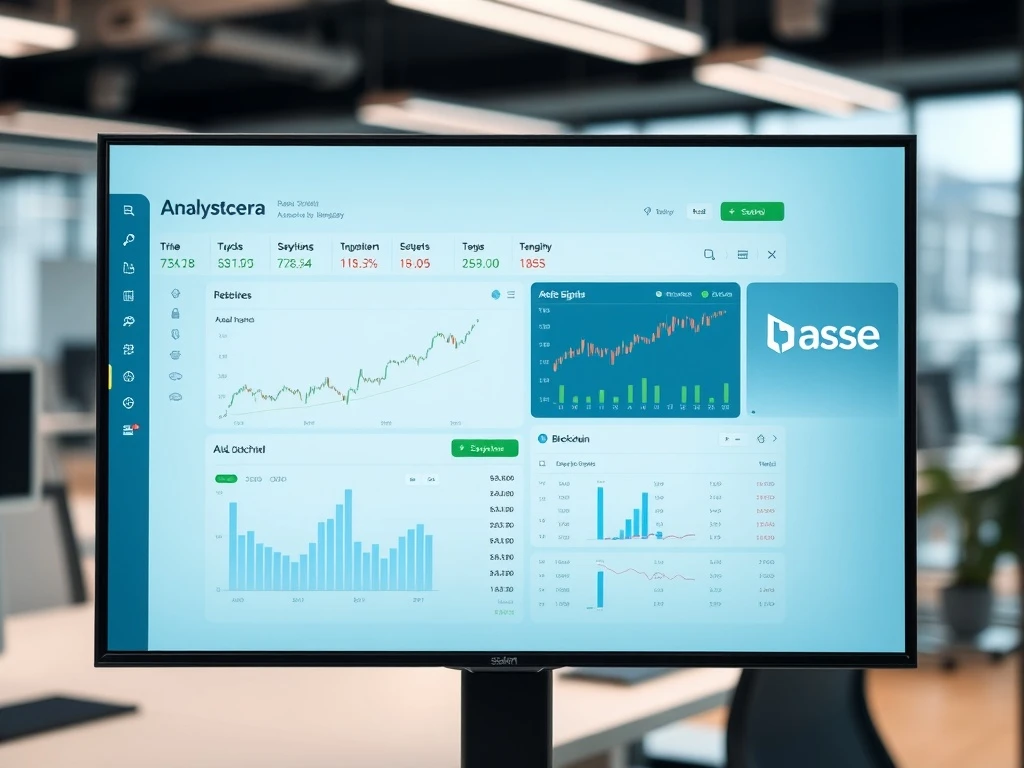
- Unified Dashboard: A single view displaying analytics alongside a trading panel.
- Smart Signal Integration: Direct execution triggers based on Nansen’s proprietary wallet labels and money flow indicators.
- Risk Parameters: User-configurable settings for slippage, transaction deadlines, and wallet approval limits.
- Portfolio Context: Trading decisions informed by the user’s existing portfolio holdings visible within Nansen.
This approach contrasts with standalone AI trading bots, as it is deeply rooted in Nansen’s established, trusted data infrastructure.
Market Context and Competitive Landscape
The launch occurs during a period of intense innovation in crypto trading infrastructure. The rise of intent-based protocols and AI agents has shifted the market toward more autonomous execution. However, Nansen’s move is distinct because it leverages an existing, authoritative data moat. Competitors range from pure analytics firms like Dune and Arkham to trading-focused platforms like Birdeye and Step Finance. Nansen’s integration attempts to capture more of the user’s workflow, potentially increasing engagement and switching costs. The table below outlines the core differentiators:
| Platform | Primary Focus | Execution Capability |
|---|---|---|
| Nansen (New Solution) | On-chain analytics + AI | Integrated native trading |
| Dune Analytics | Community-driven analytics & dashboards | None (data only) |
| Arkham Intelligence | Entity-based blockchain intelligence | None (data only) |
| Birdeye | Multi-chain portfolio & price tracking | Aggregated swap links |
Industry experts note this is a logical evolution. “Analytics platforms naturally progress toward enabling action,” observed a fintech analyst familiar with the sector. “Nansen’s deep data assets give its AI models a significant edge in generating relevant, on-chain-contextual signals over generic models.” The success of this solution will depend on its execution speed, reliability, and the tangible alpha it provides to users.
Implications for Traders and the Broader Ecosystem
For the professional and sophisticated retail trader, this tool democratizes access to a strategy that was previously manual and time-consuming. Monitoring “smart money” wallets and mimicking their moves in real-time required constant vigilance. Now, this process can be partially automated. Additionally, it could lower the barrier to sophisticated on-chain strategies, potentially attracting a new cohort of users to the Solana and Base ecosystems.
For the blockchain networks themselves, hosting a premier application like this validates their technical robustness and security. Solana and Base will benefit from increased transaction volume and developer attention. Moreover, the move signals a trend toward vertical integration in crypto infrastructure. Platforms are no longer content being single-point solutions; they aim to become comprehensive hubs. This could drive further consolidation and partnership activity across the analytics, wallet, and trading execution sectors.
Nevertheless, users must exercise caution. AI tools are guides, not guarantors. On-chain trading carries inherent risks like smart contract vulnerabilities, market volatility, and slippage. Nansen will need to ensure robust security audits for its integrated wallet components and clear user education. The long-term impact will be measured by user adoption rates, the volume of facilitated trades, and the platform’s ability to consistently deliver valuable insights.
Conclusion
The launch of Nansen’s AI on-chain trading solution represents a major convergence of data intelligence and financial execution in the cryptocurrency market. By integrating its powerful analytics with a native trading function on Solana and Base, Nansen is streamlining the DeFi workflow and empowering users with a more cohesive tool. This development underscores the industry’s maturation, where user experience and actionable intelligence become paramount. As this solution evolves and potentially expands to other blockchains, it may well set a new standard for what traders expect from a comprehensive crypto analytics platform.
FAQs
Q1: What exactly is Nansen’s new AI trading solution?
It is an integrated feature within Nansen’s apps that combines its on-chain data analytics with the ability to execute trades directly, starting on the Solana and Base blockchains.
Q2: How does the AI component work?
The AI analyzes Nansen’s proprietary on-chain data—like smart money flows and wallet activity—to identify patterns and potentially surface trading opportunities or signals within the interface.
Q3: Is my cryptocurrency safe when using this trading feature?
Security depends on Nansen’s implementation. Users should ensure they understand the wallet integration, use secure practices like hardware wallets if supported, and recognize that all on-chain trading carries inherent risk.
Q4: Will this tool be available on other blockchains like Ethereum or Arbitrum?
The initial launch is exclusively for Solana and Base. Expansion to other networks will likely depend on user demand and the technical integration requirements of each blockchain.
Q5: Do I need advanced trading knowledge to use this solution?
While the interface is designed for usability, effectively interpreting on-chain data and AI signals benefits from a foundational understanding of cryptocurrency markets and decentralized exchange mechanics.