Galxe Web3 Infrastructure: The Strategic Evolution from Quest Platform to Comprehensive Blockchain Ecosystem
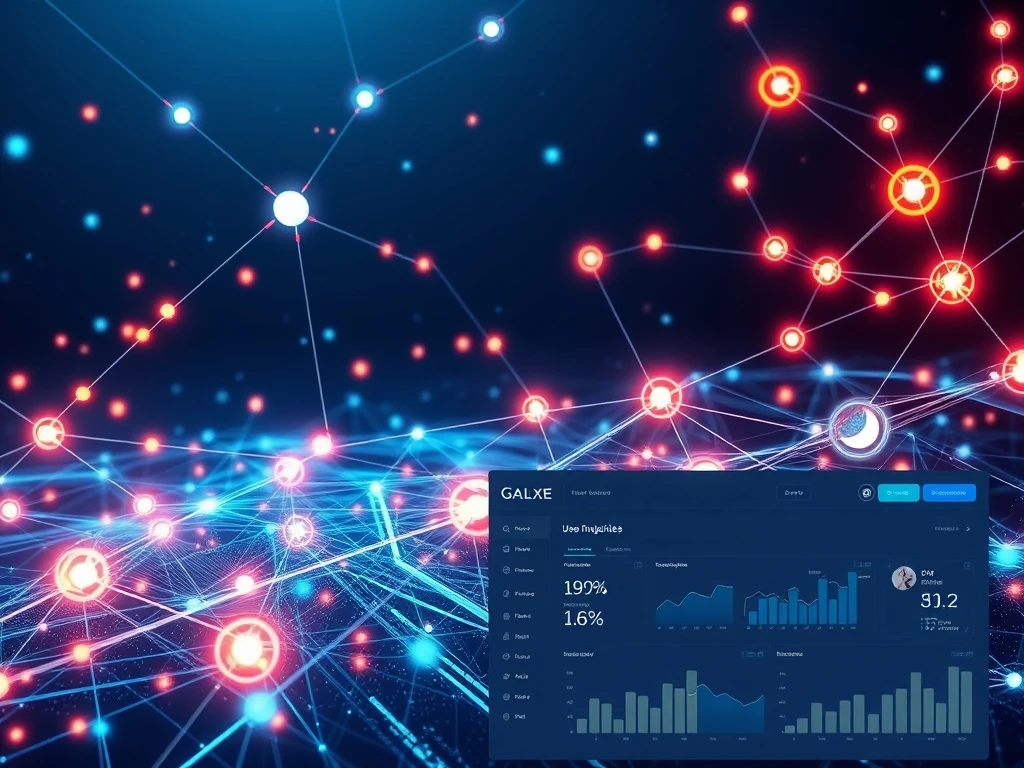
In a significant development for the blockchain industry, Galxe has completed a strategic transformation from a specialized quest platform to a comprehensive Web3 infrastructure provider, according to a detailed analysis by leading crypto research firm Messari. This evolution represents a fundamental shift in how blockchain projects approach user acquisition, engagement, and token distribution, positioning Galxe as a critical infrastructure layer in the rapidly maturing Web3 ecosystem. The platform’s expansion comes at a pivotal moment when blockchain applications increasingly require sophisticated tools for sustainable growth and community development.
Galxe Web3 Infrastructure: From Niche Platform to Comprehensive Ecosystem
Galxe initially gained recognition as a premier platform for on-chain quests and reward campaigns, helping projects bootstrap communities through gamified engagement mechanisms. However, according to Messari’s comprehensive analysis, the platform has systematically expanded its capabilities to address broader infrastructure needs within the Web3 space. This strategic evolution reflects a growing industry trend where specialized tools must integrate into cohesive ecosystems to remain competitive. The transformation positions Galxe alongside other infrastructure providers building the foundational layers for decentralized applications.
Messari’s research highlights how Galxe has unified six core products into a single, integrated platform. These products include:
- Quests: Gamified on-chain task completion systems
- Airdrops: Sophisticated token distribution infrastructure
- Starboard: Analytics combining on-chain and social data
- Passport: Digital identity and credential management
- Score: Reputation and engagement scoring systems
- Gravity: Dedicated blockchain infrastructure
This consolidation enables projects to manage multi-chain operations through a single interface while maintaining robust Sybil attack controls and comprehensive analytics. The integration represents a significant advancement in operational efficiency for blockchain projects that previously needed to manage multiple disparate tools for community growth and token distribution.
Technical Infrastructure and Platform Capabilities
Galxe’s technical evolution centers on its Gravity chain development, which currently represents a major engineering focus for the platform. According to Messari’s technical analysis, the team is developing a dedicated Ethereum Virtual Machine environment specifically optimized for Galxe’s infrastructure requirements. This specialized EVM environment enables greater performance optimization compared to generic blockchain solutions. Additionally, the platform is creating a comprehensive software development kit to facilitate third-party integration and application development.
Perhaps most significantly, Galxe engineers are developing a fork of Reth, the high-performance Ethereum execution client originally created by Paradigm. This technical decision reflects the platform’s commitment to building scalable infrastructure capable of handling the complex requirements of modern Web3 applications. The Reth fork optimization specifically targets transaction processing efficiency and reduced latency, both critical factors for real-time engagement platforms.
| Phase | Timeframe | Key Development |
|---|---|---|
| Initial Launch | 2021 | Quest and reward platform focused on community engagement |
| Product Expansion | 2022-2023 | Introduction of Passport, Score, and Airdrop infrastructure |
| Platform Integration | 2023-2024 | Unification of six core products into single platform |
| Infrastructure Development | 2024-2025 | Gravity chain optimization and Reth client implementation |
Industry Context and Competitive Positioning
Galxe’s transformation occurs within a broader industry context where infrastructure specialization has become increasingly important. According to blockchain industry analysts, the Web3 space has entered a maturation phase where basic tools must evolve into comprehensive solutions. This trend mirrors earlier developments in traditional software infrastructure, where point solutions gradually integrated into platform offerings. Galxe’s approach specifically addresses pain points identified by multiple blockchain projects in recent ecosystem surveys conducted by independent research firms.
The platform’s focus on multi-chain operations reflects the current reality of blockchain development, where projects frequently deploy across multiple networks to maximize reach and minimize risk. Galxe’s infrastructure now supports operations across Ethereum, Polygon, Arbitrum, Optimism, and other major networks, providing consistent tooling regardless of underlying blockchain. This multi-chain capability represents a significant competitive advantage in an increasingly fragmented blockchain ecosystem.
Token Distribution and User Acquisition Infrastructure
One of Galxe’s most significant advancements, according to Messari’s analysis, is its sophisticated airdrop infrastructure for managing complex token distribution. Modern token launches require precise targeting, vesting schedules, and compliance considerations that exceed the capabilities of simple distribution tools. Galxe’s system enables projects to design multi-phase distribution strategies with conditional requirements and automated execution. This infrastructure represents a substantial improvement over earlier airdrop mechanisms that often suffered from poor targeting and Sybil attack vulnerabilities.
The platform’s Starboard product combines on-chain activity data with social media metrics to create comprehensive user profiles. This integration enables influence-driven operations where projects can identify and engage with key community members based on both their on-chain behavior and social media impact. The analytics capabilities provide projects with unprecedented visibility into community dynamics and engagement patterns, enabling more strategic decision-making for growth initiatives.
Industry experts note that effective user acquisition has become increasingly challenging in the Web3 space due to rising competition and user sophistication. Galxe’s integrated approach addresses this challenge by providing tools for both acquisition and retention within a single platform. The system’s scoring mechanisms help projects identify high-value users while its quest systems maintain engagement through structured interaction pathways. This comprehensive approach reflects lessons learned from years of blockchain community development experience.
Future Challenges and Development Roadmap
Despite its significant progress, Galxe faces several challenges according to Messari’s forward-looking analysis. Business development represents a primary concern as the platform must expand its adoption beyond early blockchain projects to include more traditional enterprises exploring Web3 integration. Scaling presents another substantial challenge, particularly as the platform handles increasing transaction volumes across multiple blockchain networks. The Gravity chain’s performance under load will be critical to maintaining user experience as adoption grows.
Advancing Starboard’s analytics capabilities represents another priority area identified in the analysis. Real-time processing for Gravity chain transactions will enable more responsive applications and improved user experiences. The platform must also continue enhancing its Sybil attack prevention mechanisms as adversarial techniques evolve in sophistication. These technical challenges require ongoing engineering investment and research into emerging blockchain security methodologies.
Industry observers note that infrastructure platforms face particular pressure to maintain reliability while adding features. Galxe’s decision to fork and optimize Reth reflects a strategic approach to balancing these competing demands. The platform’s development roadmap reportedly includes enhanced developer tools, additional blockchain integrations, and improved analytics visualization. These planned enhancements aim to address specific feedback from current platform users while anticipating future industry needs.
Conclusion
Galxe’s evolution from quest platform to comprehensive Web3 infrastructure represents a significant development in blockchain technology maturation. The platform’s integrated approach to user acquisition, engagement, and token distribution addresses critical needs in the growing Web3 ecosystem. According to Messari’s analysis, Galxe’s technical investments in Gravity chain development and Reth optimization position the platform for continued growth as blockchain adoption expands. The transformation reflects broader industry trends toward integrated infrastructure solutions that provide comprehensive tooling for decentralized application development. As the Web3 space continues to mature, platforms like Galxe that successfully evolve from point solutions to ecosystem infrastructure will likely play increasingly important roles in blockchain adoption and development.
FAQs
Q1: What was Galxe’s original function before its infrastructure expansion?
Galxe originally operated as a specialized platform for on-chain quests and reward campaigns, helping blockchain projects engage communities through gamified tasks and incentive structures.
Q2: How does Galxe’s current platform differ from its original offering?
The platform has evolved from a single-purpose quest system to an integrated infrastructure suite encompassing user acquisition, engagement analytics, token distribution, digital identity management, and dedicated blockchain infrastructure.
Q3: What is the Gravity chain and why is it important for Galxe’s development?
Gravity is Galxe’s dedicated blockchain infrastructure currently under development, featuring an optimized Ethereum Virtual Machine environment and a fork of the high-performance Reth execution client to improve transaction processing and platform scalability.
Q4: How does Galxe address Sybil attacks in its token distribution systems?
The platform implements sophisticated Sybil attack controls through its integrated Passport and Score systems, which analyze user behavior across multiple dimensions to distinguish genuine participants from malicious actors attempting to game distribution mechanisms.
Q5: What are the main challenges Galxe faces according to Messari’s analysis?
Messari identifies business development expansion, platform scaling, advancement of Starboard analytics capabilities, and achieving real-time processing for the Gravity chain as primary challenges for Galxe’s continued growth and development.