Paradex Outage: Crypto Derivatives Exchange Faces Critical Platform Disruption, Cancels Open Orders
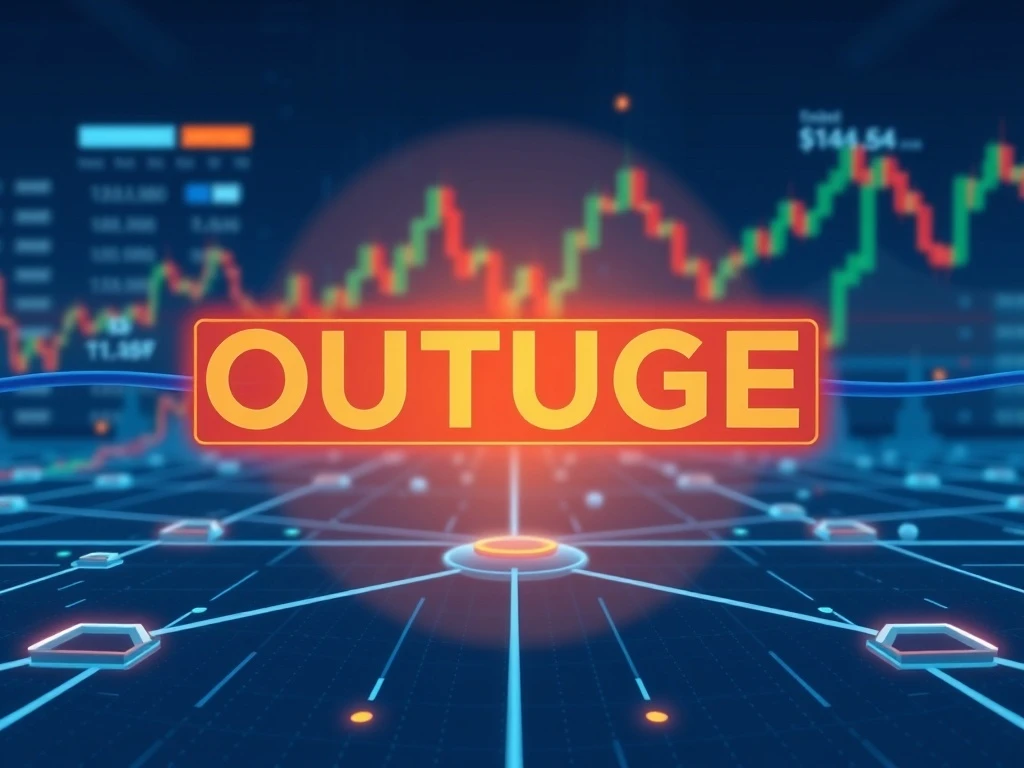
On Monday, March 17, 2025, the cryptocurrency trading community faced significant disruption as Paradex, a leading decentralized perpetual futures exchange, reported a comprehensive platform-wide outage affecting all core services and forcing the cancellation of open orders. This incident highlights the ongoing challenges facing decentralized finance infrastructure as adoption accelerates.
Paradex Outage Disrupts Major Crypto Derivatives Platform
The Paradex platform experienced complete service disruption beginning Monday morning, rendering its trading interface and supporting infrastructure unavailable to users globally. According to the exchange’s official status page, the technical issues affected multiple critical business services simultaneously. Consequently, the platform’s user interface became inaccessible, while cloud services, API connections, blockchain components, bridge functionality, block explorer, and remote procedure call proxy all experienced failures.
Paradex technical teams immediately initiated investigation procedures while working through what they described as a “rollback and recovery process.” However, the exchange has not yet disclosed the specific cause of the outage or provided a definitive timeline for full service restoration. This lack of immediate transparency has raised concerns among active traders who rely on the platform for leveraged positions.
As part of their emergency response, Paradex announced they would force-cancel all open orders with the notable exception of take-profit and stop-loss (TPSL) orders. This decision represents a significant intervention in normal market operations, potentially affecting thousands of active trading positions across various cryptocurrency pairs. The exchange has committed to providing regular updates as their investigation progresses.
Decentralized Exchange Infrastructure Under Scrutiny
Paradex operates as a decentralized perpetual futures exchange, allowing users to trade leveraged cryptocurrency derivatives without surrendering custody of their funds to centralized intermediaries. This architecture represents a fundamental shift from traditional exchange models, offering enhanced security through non-custodial trading while introducing different technical complexities. The current outage demonstrates how decentralized systems face unique operational challenges despite their security advantages.
Data from blockchain analytics platform DefiLlama reveals Paradex’s significant market position within the decentralized derivatives space. The exchange currently ranks eighth in 30-day trading volume across all decentralized exchanges, with reported trading activity exceeding $37 billion during the past month. This substantial trading volume means the outage potentially affects billions of dollars in trading positions and market liquidity.
| Exchange | 30-Day Volume | Market Position |
|---|---|---|
| dYdX | $142.3B | 1st |
| GMX | $89.7B | 2nd |
| Hyperliquid | $58.2B | 3rd |
| Paradex | $37.1B | 8th |
The timing of this disruption coincides with increased activity across decentralized exchanges, driven partly by renewed interest in memecoin trading and leveraged positions. According to recent CoinGecko analysis, decentralized exchange volumes have surged approximately 245% year-over-year, creating additional strain on infrastructure across the sector. Consequently, this Paradex incident may prompt broader examination of scalability solutions within decentralized trading platforms.
Security Concerns and User Protection Measures
During the service disruption, Paradex issued an official warning regarding fraudulent support accounts attempting to impersonate legitimate team members. The exchange explicitly advised traders to rely exclusively on verified communication channels for updates and support. Furthermore, Paradex reiterated standard security protocols, emphasizing that legitimate support personnel will never request private keys or sensitive authentication information from users.
This security advisory highlights persistent challenges within cryptocurrency communities where technical disruptions often attract malicious actors attempting social engineering attacks. The exchange’s proactive warning demonstrates responsible crisis management, potentially preventing secondary security incidents during the primary technical outage. Community members have generally praised this transparent communication approach despite frustration with the platform downtime.
Key security measures Paradex emphasized include:
- Verification of official channels: Users should confirm communication originates from verified accounts
- Private key protection: Legitimate support never requests private keys or seed phrases
- Phishing awareness: Unsolicited messages offering support should be treated as potential scams
- Multi-factor authentication: Maintaining account security through layered verification methods
Market Impact and Community Response
The Paradex outage has generated substantial discussion across cryptocurrency social media platforms, particularly on X (formerly Twitter), where community members have expressed concerns about open leveraged positions and the duration of service disruption. One prominent trader noted, “Platform stability remains the foundational requirement for professional trading operations, regardless of technological architecture.” This sentiment reflects broader industry expectations for reliability in financial infrastructure.
Industry analysts note that while centralized exchanges historically experienced more frequent outages during volatile market conditions, decentralized platforms now face similar stress tests as adoption increases. The Paradex incident follows several high-profile disruptions across both centralized and decentralized exchanges throughout 2024, suggesting systemic infrastructure challenges as trading volumes reach new thresholds. These events collectively underscore the maturation phase of cryptocurrency market infrastructure.
Technical experts within the blockchain community have speculated about potential causes, with theories ranging from smart contract vulnerabilities to oracle failures or consensus mechanism issues. However, without official confirmation from Paradex developers, these remain speculative discussions. The exchange’s commitment to transparency during the recovery process will likely influence user trust and platform reputation moving forward.
Comparative Analysis with Traditional Finance Outages
Financial market infrastructure outages represent a universal challenge affecting both traditional and cryptocurrency markets. Major stock exchanges, including the New York Stock Exchange and NASDAQ, have experienced significant technical disruptions throughout their histories, with resolution times varying from minutes to hours. The Paradex incident mirrors these traditional market challenges while operating within the distinct technical constraints of decentralized blockchain architecture.
Notably, traditional financial exchanges typically maintain detailed public incident reports following significant outages, establishing industry standards for transparency and accountability. The cryptocurrency sector increasingly adopts similar practices, with platforms like Coinbase and Binance publishing post-mortem analyses after technical incidents. Paradex’s handling of communication during this outage may establish precedents for decentralized exchange incident response protocols.
Conclusion
The Paradex outage represents a significant test for decentralized derivatives trading infrastructure, highlighting both the advantages and challenges of non-custodial exchange models. As the platform works through its recovery process, the broader cryptocurrency industry observes how decentralized systems manage operational disruptions at scale. This incident underscores the critical importance of robust technical infrastructure as cryptocurrency trading volumes continue their upward trajectory. The Paradex team’s transparent communication and systematic recovery approach will likely influence user confidence and establish important precedents for incident management within decentralized finance.
FAQs
Q1: What caused the Paradex platform outage?
The specific cause remains under investigation by Paradex technical teams. The exchange has confirmed multiple core services were affected but has not yet released detailed technical analysis of the root cause. Updates will be provided through official channels as the investigation progresses.
Q2: How long will the Paradex outage last?
Paradex has not provided a definitive timeline for full service restoration. The exchange is working through a rollback and recovery process, with updates promised through their official status page and verified social media accounts as the situation develops.
Q3: What happens to open trading positions during the outage?
Paradex announced they would force-cancel all open orders except take-profit and stop-loss (TPSL) orders. This emergency measure aims to protect users from unexpected position liquidations once trading resumes, though it may affect active trading strategies.
Q4: Is user fund security compromised during the Paradex outage?
As a decentralized exchange, Paradex operates on a non-custodial model where users maintain control of their funds. The technical outage affects trading functionality but does not necessarily compromise wallet security, provided users have not shared private keys or fallen for phishing attempts.
Q5: How does this outage compare to centralized exchange disruptions?
While both centralized and decentralized exchanges experience technical disruptions, their architectures present different challenges. Centralized exchanges typically control recovery processes directly, while decentralized exchanges like Paradex must coordinate across distributed systems, potentially affecting resolution timelines and communication protocols.