Trove Markets’ Shocking Pivot Sparks Refund Fury: $11.5M Token Sale Shifts from Hyperliquid to Solana
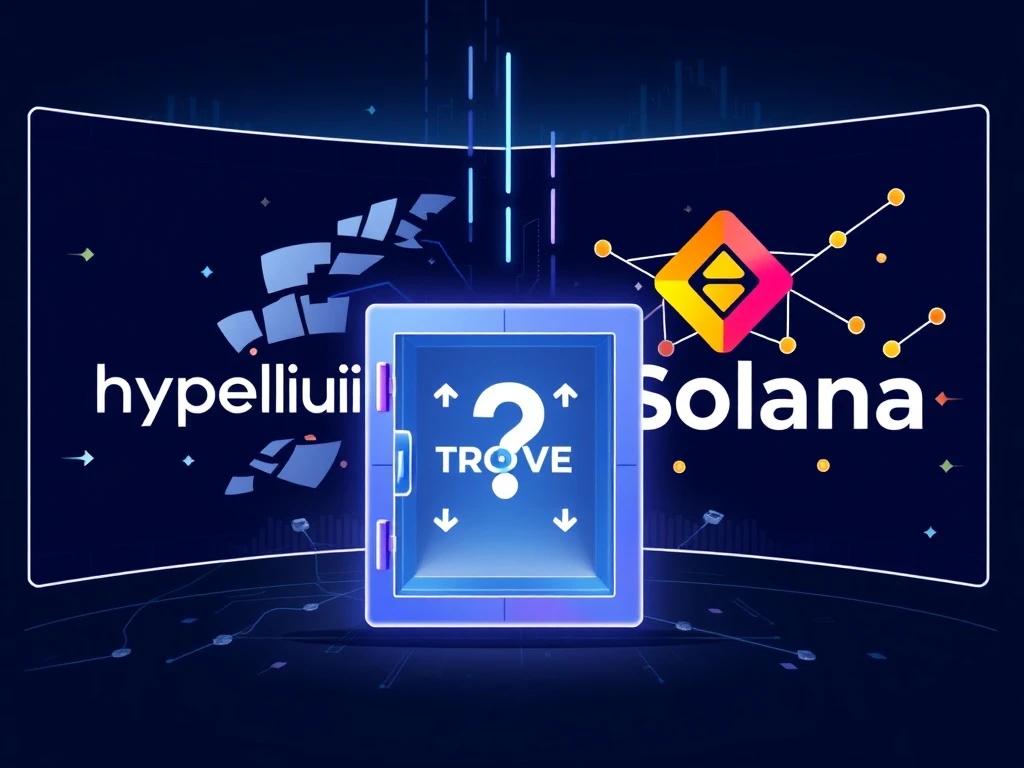
In a dramatic blockchain development shaking cryptocurrency circles globally, Trove Markets faces escalating backlash from disgruntled backers demanding immediate refunds following its unexpected platform pivot from Hyperliquid to Solana. The decentralized perpetual exchange project, which successfully raised over $11.5 million during a January token sale specifically marketed for Hyperliquid integration, now confronts a community revolt as it prepares for Monday’s TROVE token generation event amid swirling controversy and suspicious transaction allegations.
Trove Markets’ Sudden Blockchain Shift Triggers Investor Backlash
The controversy erupted publicly on Friday when Trove Markets announced its surprising strategic shift through a post on social media platform X. According to statements from one of Trove’s builders using the pseudonym “Unwise,” the decision stemmed directly from a liquidity partner withdrawing 500,000 Hyperliquid (HYPE) tokens essential for the planned Hyperliquid integration. This withdrawal fundamentally altered the project’s technical constraints, forcing developers to rebuild their perpetual decentralized exchange infrastructure from the ground up on Solana’s blockchain architecture.
Community reaction proved immediately negative and financially consequential. Numerous token sale participants expressed frustration that their investment decisions centered specifically on Hyperliquid’s technological framework and ecosystem benefits. The pivot represents more than a technical change—it constitutes a fundamental alteration of the project’s value proposition that backers originally funded. Transitioning between blockchain ecosystems involves different security models, developer communities, and market dynamics that significantly impact token economics and project viability.
Financial Complexities and Suspicious Transaction Allegations
Financial dimensions of this controversy extend beyond the immediate $11.5 million token sale. In November, Trove Markets separately secured $20 million specifically to purchase 500,000 HYPE tokens required for Hyperliquid’s mandatory HIP-3 stake mechanism. This security bond system locks capital as slashable collateral necessary to launch perpetual markets on Hyperliquid’s platform. The withdrawal of these tokens by the unnamed liquidity partner created both technical and financial complications that precipitated the blockchain migration.
Meanwhile, cryptocurrency investigators have raised red flags regarding specific Trove transactions. Prominent crypto sleuth ZachXBT and the Hyperliquid News X account independently identified several concerning Trove transfers involving HYPE token movements, citing data from Hyperliquid’s block explorer Hypurrscan. These flagged transactions have intensified community scrutiny and amplified refund demands, though Trove Markets has not provided immediate public clarification regarding these specific transfers. The timing of these transactions relative to the pivot announcement remains particularly relevant to ongoing investigations.
Market Context: The Booming Digital Collectibles Sector
Trove Markets strategically positioned itself within the rapidly expanding digital collectibles market, targeting assets like Pokémon cards and Counter-Strike 2 skins for its perpetual trading platform. Industry analysis from Bitwise projected this niche market could grow into a $21.4 billion industry, explaining investor enthusiasm for Trove’s original proposition. The collectibles perpetual exchange concept promised to bring sophisticated financial instruments to traditionally illiquid markets, potentially unlocking significant value for collectors and investors alike.
However, the blockchain infrastructure supporting such platforms proves crucial to their success. Hyperliquid and Solana represent fundamentally different technological approaches with distinct trade-offs. Hyperliquid specializes in decentralized perpetual contracts with its unique staking mechanisms, while Solana offers high throughput and lower transaction costs but different security considerations. This technological shift therefore impacts not just implementation but the core value proposition Trove marketed to its initial backers.
Refund Logistics and Token Generation Event Complications
Trove Markets acknowledged the refund processing complexities created by their blockchain migration, stating they need “more time to execute this correctly” while simultaneously preparing for Monday’s scheduled TROVE token generation event at 4:00 pm UTC. This dual-track approach—processing refunds while launching tokens—creates operational challenges and raises questions about resource allocation. The company must navigate technical migration, community management, financial reconciliation, and regulatory compliance simultaneously during this volatile period.
Community demands have crystallized around several key positions. Some backers insist on immediate full refunds followed by a completely new fundraising round under revised conditions that transparently reflect the Solana-based roadmap. Others seek detailed explanations about how the Solana pivot might affect refund eligibility, processing timelines, and potential tax implications. The fundamental complaint remains consistent: investors allocated capital specifically for a Hyperliquid-based project, not a Solana-based alternative with different risk profiles and market dynamics.
Broader Industry Implications and Precedent Concerns
This controversy emerges against a backdrop of increasing scrutiny regarding blockchain project accountability and investor protections. Recent industry analysis indicates approximately 80% of hacked cryptocurrency projects never fully recover, highlighting the importance of stable technical foundations and transparent governance. The Trove situation raises questions about how blockchain projects should communicate major strategic shifts, what obligations they have to initial backers, and what mechanisms exist for investor recourse when fundamental project parameters change post-funding.
The situation also highlights tensions between blockchain maximalism and pragmatic development. While some community members advocate for refunds and renewed fundraising under transparent conditions, others question whether blockchain projects should maintain flexibility to adapt to changing technical landscapes. This philosophical divide reflects broader debates within decentralized finance about governance, investor rights, and project autonomy in rapidly evolving technological environments.
Conclusion
Trove Markets’ unexpected pivot from Hyperliquid to Solana has ignited significant controversy within cryptocurrency communities, triggering refund demands from backers who invested $11.5 million specifically for Hyperliquid integration. As the project prepares for its Monday TROVE token generation event while managing refund requests and investigating flagged transactions, the situation underscores critical questions about blockchain project accountability, investor protections, and transparent communication in decentralized finance. The outcome will likely establish important precedents for how cryptocurrency projects handle fundamental strategic changes post-funding, potentially influencing future token sale structures and community governance models across the industry.
FAQs
Q1: Why are Trove Markets backers demanding refunds?
Backers demand refunds because they invested $11.5 million specifically for a Hyperliquid-based decentralized exchange, but Trove unexpectedly pivoted to Solana after a liquidity partner withdrew essential HYPE tokens, fundamentally changing the project they funded.
Q2: What was the $20 million raised in November for?
In November, Trove raised $20 million separately to purchase 500,000 HYPE tokens required for Hyperliquid’s mandatory HIP-3 stake, which serves as slashable security collateral necessary to launch perpetual markets on that platform.
Q3: What suspicious transactions have investigators flagged?
Crypto investigator ZachXBT and Hyperliquid News identified several Trove transfers involving HYPE token movements using Hyperliquid’s block explorer Hypurrscan, though Trove hasn’t yet clarified these specific transactions publicly.
Q4: Is the TROVE token generation event still happening?
Yes, the TROVE token generation event remains scheduled for Monday at 4:00 pm UTC, though Trove acknowledges needing more time to process refunds correctly due to the blockchain migration complexities.
Q5: What market is Trove Markets targeting with its platform?
Trove focuses on perpetual trading for digital collectibles like Pokémon cards and Counter-Strike 2 skins—a market Bitwise projected could grow to $21.4 billion, explaining initial investor enthusiasm for the Hyperliquid-based platform.