Aster Buyback Program Expands Dramatically: Exchange Allocates Up to 40% of Daily Fees to Token Support
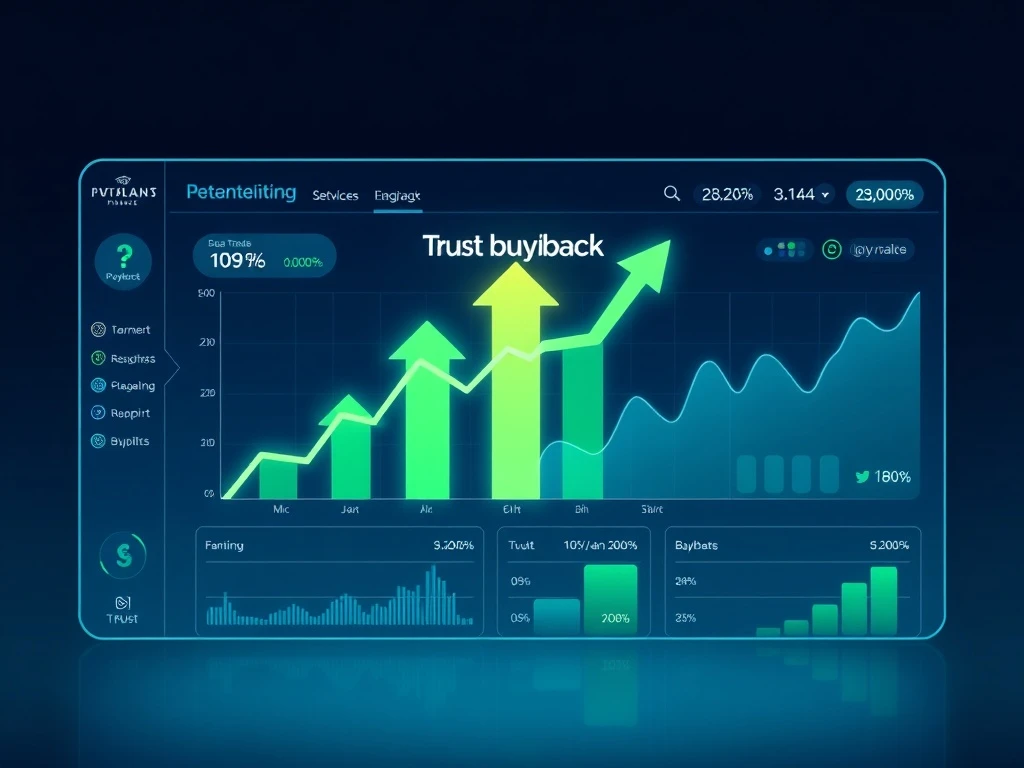
In a significant move for decentralized finance, the Aster perpetual futures exchange announced on November 15, 2024, via its official X account that it will dramatically increase its token buyback commitment. The platform now plans to allocate an additional 20% to 40% of its daily platform fees specifically to its ongoing token buyback initiative. This strategic enhancement follows the five-stage buyback plan the decentralized exchange unveiled just last month, signaling a robust commitment to token value support and ecosystem sustainability.
Aster Buyback Program Receives Major Fee Allocation Boost
The Aster decentralized exchange operates within the competitive perpetual futures market. Consequently, this market enables traders to speculate on cryptocurrency price movements without expiration dates. The platform generates revenue through trading fees, liquidation penalties, and funding rate mechanisms. Previously, Aster allocated a smaller percentage of these fees to its buyback program. However, the new announcement substantially increases this allocation to between 20% and 40% of daily platform fees. This percentage represents a considerable portion of the exchange’s daily revenue stream.
Decentralized exchanges typically implement token buyback programs to create sustainable token economics. These programs systematically purchase native tokens from the open market using platform-generated revenue. Subsequently, these purchased tokens may be burned, staked, or placed in treasury reserves. The Aster team designed their enhanced buyback strategy to directly support the ASTER token’s market value. Furthermore, this approach aligns token holder interests with the platform’s long-term success.
Understanding Decentralized Perpetual Futures Exchanges
Perpetual futures contracts represent derivative instruments that track underlying asset prices without settlement dates. Unlike traditional futures, these contracts use funding rate mechanisms to maintain price alignment with spot markets. Decentralized versions like Aster operate on blockchain networks, offering non-custodial trading and transparent settlement. The global decentralized derivatives market has experienced exponential growth, reaching approximately $128 billion in total value locked across various protocols by late 2024 according to industry analytics platforms.
Aster competes in this expanding sector against established platforms including dYdX, GMX, and Gains Network. Each platform employs distinct token economic models to incentivize liquidity providers and traders. Platform fees typically range from 0.01% to 0.1% per trade, with additional revenue from liquidation events. The decision to allocate substantial fee percentages to buyback programs represents a strategic choice among several possible token utility approaches.
Token Economics and Sustainable Value Creation
Industry analysts recognize token buyback programs as sophisticated mechanisms for value accrual. When exchanges allocate platform fees to purchase their native tokens, they effectively create consistent buy-side pressure. This pressure can potentially support token prices during market downturns. Additionally, reduced circulating supply through token burning may increase scarcity over time. However, sustainable token economics require careful balance between buybacks, staking rewards, and ecosystem development funding.
The Aster five-stage buyback plan, announced previously, likely incorporates graduated allocation increases based on specific platform milestones. Such milestones might include trading volume thresholds, total value locked targets, or user growth metrics. The newly announced 20-40% allocation range suggests the platform has reached or anticipates reaching significant operational benchmarks. This variable allocation approach provides flexibility to adjust based on daily fee generation and market conditions.
Comparative Analysis of Exchange Buyback Strategies
Several cryptocurrency exchanges have implemented token buyback programs with varying structures and success rates. The following table illustrates how Aster’s enhanced program compares to similar initiatives across the decentralized finance landscape:
| Platform | Buyback Allocation | Primary Mechanism | Token Utility |
|---|---|---|---|
| Aster (New) | 20-40% of daily fees | Five-stage graduated plan | Value support, staking |
| Binance (BNB) | Quarterly based on profits | Burn mechanism until 50% supply | Fee discounts, ecosystem |
| GMX (GLP) | Protocol-owned liquidity | Fee distribution to stakers | Revenue sharing, governance |
| dYdX (DYDX) | Trading fee discounts | Staking rewards structure | Governance, fee reduction |
This comparative analysis reveals Aster’s distinctive approach with its daily fee allocation model. Unlike quarterly programs, daily allocations create more consistent market activity. However, they also require sophisticated treasury management to avoid excessive market impact. The variable percentage range (20-40%) provides operational flexibility that fixed-percentage models lack. This flexibility allows Aster to adjust allocations based on daily trading volumes and market volatility conditions.
Potential Impacts on Traders and Token Holders
The enhanced buyback program may influence various stakeholder groups within the Aster ecosystem. For ASTER token holders, increased buyback allocations could potentially support token valuation through several mechanisms. First, consistent market purchases may create upward price pressure. Second, reduced circulating supply through token burning might increase scarcity. Third, demonstrated commitment to token value could improve investor confidence during market uncertainty periods.
Active traders on the Aster platform might experience indirect benefits from this program. A healthier token economy could enhance platform development through increased resources for security audits, feature development, and liquidity incentives. Additionally, successful token economics often correlate with improved platform stability and user experience. However, traders should recognize that token price support mechanisms represent just one factor among many influencing overall platform success.
Regulatory Considerations and Industry Trends
Token buyback programs operate within evolving regulatory frameworks globally. Regulatory bodies including the U.S. Securities and Exchange Commission and international counterparts continue developing guidelines for cryptocurrency token economics. Programs that might influence token prices could potentially face increased regulatory scrutiny, particularly if they resemble securities market manipulation mechanisms. Responsible platforms typically implement transparent, verifiable buyback processes to maintain regulatory compliance.
The broader cryptocurrency industry has witnessed increasing adoption of sophisticated token economic models throughout 2024. Platforms now recognize that sustainable token value requires deliberate design beyond simple utility functions. Successful models typically balance several elements including:
- Value accrual mechanisms like buybacks and burns
- Utility functions including fee discounts and governance
- Ecosystem incentives for liquidity providers and developers
- Transparent governance with community participation
Aster’s enhanced buyback program represents one component within this comprehensive approach to token design.
Technical Implementation and Market Mechanics
Implementing a daily buyback program requires sophisticated technical infrastructure and market strategy. The Aster team must design systems to automatically calculate daily fee allocations, execute market purchases, and manage acquired tokens. These systems typically incorporate several key components including real-time fee tracking, automated market operations, and transparent reporting mechanisms. The technical complexity increases significantly with variable percentage allocations that adjust based on platform performance metrics.
Market execution strategy represents another critical consideration. Large daily purchases could potentially create substantial market impact if not properly managed. Professional implementations often utilize several techniques to minimize this impact including:
- Time-weighted average price (TWAP) algorithms that spread purchases throughout trading periods
- Multiple liquidity source access across decentralized and centralized exchanges
- Dynamic adjustment mechanisms based on market depth and volatility
- Transparency reports verifying execution prices and quantities
Successful execution requires balancing efficient price discovery with minimal market disruption.
Conclusion
The Aster buyback program expansion represents a significant development in decentralized exchange token economics. By allocating 20% to 40% of daily platform fees to token purchases, Aster demonstrates substantial commitment to sustainable token value creation. This enhanced program follows the platform’s previously announced five-stage buyback plan, suggesting methodical implementation of long-term token economic strategy. While buyback programs represent just one component of comprehensive token design, their proper implementation can contribute meaningfully to ecosystem health and participant confidence. The cryptocurrency industry will monitor Aster’s execution of this enhanced buyback program as decentralized finance continues evolving toward more sophisticated economic models.
FAQs
Q1: What exactly is the Aster buyback program?
The Aster buyback program systematically purchases ASTER tokens from the open market using platform-generated revenue. The newly enhanced program allocates 20% to 40% of daily trading fees specifically for these purchases, supporting token value through consistent buy-side pressure and potential supply reduction.
Q2: How does this buyback program benefit ASTER token holders?
Token holders may benefit through potential price support mechanisms, reduced circulating supply if tokens are burned, and increased confidence in the platform’s commitment to sustainable token economics. However, buyback programs represent just one factor influencing token valuation among many market forces.
Q3: What are perpetual futures contracts in decentralized finance?
Perpetual futures are derivative contracts that track underlying asset prices without expiration dates. Decentralized versions like Aster operate on blockchain networks, offering non-custodial trading, transparent settlement, and funding rate mechanisms to maintain price alignment with spot markets.
Q4: How does Aster’s buyback program compare to other exchanges?
Aster’s program features daily allocations (20-40% of fees) rather than quarterly implementations, creating more consistent market activity. The variable percentage range provides operational flexibility uncommon in fixed-percentage models, though it requires more sophisticated treasury management.
Q5: What risks should participants consider with buyback programs?
Participants should recognize that buyback programs cannot guarantee price appreciation, may face regulatory scrutiny, and depend entirely on sustained platform revenue generation. Token values remain subject to broader market conditions, technological risks, and competitive pressures within the decentralized finance sector.