Russia Crypto Regulation: Central Bank Demands Ominous New Bank Reporting for All Digital Asset Transactions
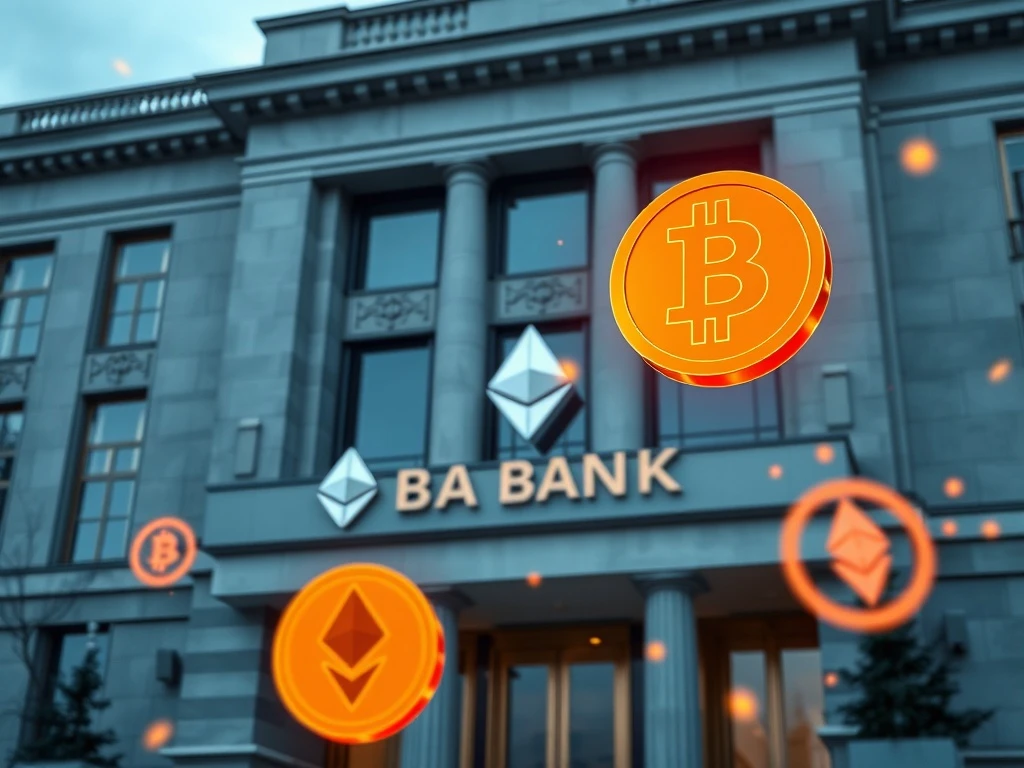
MOSCOW, RUSSIA – March 2025 – Russia’s financial landscape faces a significant transformation as the Central Bank of Russia (CBR) advances a comprehensive plan requiring commercial banks to report detailed cryptocurrency transactions. This regulatory development represents a pivotal moment in Russia’s approach to digital asset oversight. The proposed amendments mandate unprecedented transparency for crypto-related activities. Consequently, financial institutions must prepare for substantial compliance changes.
Russia Crypto Regulation Enters New Phase with Bank Reporting Mandate
The Central Bank of Russia recently confirmed its pursuit of enhanced cryptocurrency monitoring through commercial banking channels. According to reports from Cryptopolitan citing local media, the CBR’s proposed amendments would establish mandatory reporting requirements for all customer cryptocurrency transactions. This regulatory shift follows years of evolving Russian cryptocurrency policy. Initially, Russian authorities maintained an ambiguous stance toward digital assets. However, recent geopolitical and economic factors have accelerated regulatory developments.
Commercial banks would need to submit comprehensive transaction reports under the proposed framework. Specifically, these reports must include sender and receiver identification details. Additionally, banks must document transaction methods and any intermediaries involved. The reporting requirements extend to transaction fees and fund sources. This level of detail represents a significant departure from previous Russian cryptocurrency oversight approaches.
Russian financial institutions currently handle limited cryptocurrency services due to existing restrictions. Nevertheless, the proposed rules anticipate future regulatory adjustments. The Bank of Russia has historically expressed cryptocurrency skepticism. However, practical considerations about financial monitoring appear to drive current policy developments. International sanctions and capital flow concerns likely influence this regulatory direction.
Expanding Regulatory Scope to NFTs and Tokenized Assets
The Central Bank’s proposed amendments notably extend beyond traditional cryptocurrency transactions. According to available information, the reporting requirements would encompass non-fungible token (NFT) transactions. Additionally, tokenized real-world assets would fall under the new monitoring framework. This broad scope demonstrates Russia’s comprehensive approach to digital asset regulation.
NFT markets have experienced substantial growth in Russia despite regulatory uncertainty. Russian artists and collectors have actively participated in global NFT marketplaces. The proposed reporting requirements would bring these activities under formal financial oversight. Similarly, tokenized assets representing physical property or commodities would require documentation. This expansion reflects regulatory recognition of diverse digital asset categories.
Tokenization technology enables fractional ownership of real-world assets through blockchain representation. Russian financial authorities appear concerned about potential regulatory gaps in this emerging sector. The proposed rules would establish monitoring mechanisms for tokenized asset transactions. Consequently, market participants must adapt to increased transparency requirements.
Comparative Analysis: Russia’s Approach Versus Global Standards
Russia’s proposed cryptocurrency reporting requirements share similarities with international regulatory trends. Many jurisdictions now mandate cryptocurrency transaction reporting through financial institutions. However, Russia’s approach includes distinctive elements worth examining.
| Jurisdiction | Reporting Threshold | Asset Coverage | Implementation Status |
|---|---|---|---|
| Russia (Proposed) | All transactions | Crypto, NFTs, tokenized assets | Under development |
| European Union | €1,000+ transfers | Crypto assets only | Implemented 2024 |
| United States | $10,000+ transactions | Crypto, some digital assets | Partial implementation |
| Singapore | All transactions | Crypto assets only | Implemented 2023 |
Russia’s comprehensive asset coverage distinguishes its approach from many international counterparts. The inclusion of NFTs and tokenized assets exceeds current European Union requirements. Similarly, United States regulations primarily focus on cryptocurrency transactions above specific thresholds. Russia’s proposed framework appears more expansive in scope despite implementation uncertainties.
Implementation Challenges for Russian Financial Institutions
Russian commercial banks face significant implementation challenges under the proposed reporting requirements. Financial institutions must develop new monitoring systems for cryptocurrency transactions. Additionally, banks need staff training programs for digital asset identification. Compliance departments require expanded expertise in blockchain analysis techniques.
The reporting mandate presents particular difficulties for several reasons:
- Technical Infrastructure: Banks need blockchain monitoring tools and integration with existing systems
- Identification Complexity: Connecting cryptocurrency addresses to real identities remains challenging
- Resource Allocation: Compliance departments require additional staffing and budget allocations
- International Coordination: Cross-border cryptocurrency transactions complicate reporting efforts
Russian banks already operate under substantial international restrictions. These limitations affect their ability to implement sophisticated cryptocurrency monitoring systems. Western technology providers dominate blockchain analysis tools. Consequently, Russian financial institutions may struggle to access necessary technical solutions. Domestic technology development could address these challenges but requires time and investment.
Expert Perspectives on Russia’s Regulatory Direction
Financial regulation experts note several implications of Russia’s proposed cryptocurrency reporting rules. Dr. Elena Petrova, former Central Bank advisor and current fintech consultant, explains the regulatory context. “Russia’s cryptocurrency approach has evolved through distinct phases,” Petrova states. “Initial prohibition discussions transitioned to practical regulation considerations. The current reporting proposals reflect this pragmatic shift.”
International sanctions have influenced Russian cryptocurrency policy development according to analysts. Blockchain compliance specialist Mikhail Ivanov notes specific connections. “Russia faces unique cryptocurrency monitoring challenges due to financial restrictions,” Ivanov explains. “The proposed bank reporting requirements address capital flow concerns. However, implementation effectiveness depends on technical capabilities.”
Russian cryptocurrency exchanges and wallet providers also face regulatory implications. Although not directly addressed in current proposals, these entities likely face future oversight expansion. The bank reporting mandate establishes foundational monitoring infrastructure. Subsequently, authorities could extend requirements to cryptocurrency service providers.
Historical Context of Russian Cryptocurrency Regulation
Russia’s cryptocurrency regulatory journey began with the 2020 Digital Financial Assets Law. This legislation provided initial cryptocurrency definitions but lacked comprehensive frameworks. Subsequent discussions produced contradictory proposals from different government agencies. The Central Bank advocated restrictive approaches while other ministries supported regulated development.
Key regulatory milestones include:
- 2020: Digital Financial Assets Law establishes basic cryptocurrency definitions
- 2021: Central Bank proposes cryptocurrency mining restrictions and transaction limitations
- 2022: Government agencies debate cryptocurrency regulation for international trade
- 2023: Parliament considers multiple cryptocurrency regulation proposals without consensus
- 2024: Central Bank begins developing comprehensive cryptocurrency oversight framework
The current bank reporting proposals represent the latest regulatory development phase. This approach aligns with Russia’s broader financial monitoring priorities. Anti-money laundering efforts and capital control maintenance drive regulatory decisions. Cryptocurrency transaction reporting supports these established policy objectives.
Potential Impacts on Russian Cryptocurrency Users and Markets
Russian cryptocurrency users face changing privacy expectations under the proposed reporting rules. Previously, cryptocurrency transactions offered relative anonymity compared to traditional banking. The new requirements would connect cryptocurrency activities to identifiable banking relationships. Consequently, users must reconsider their digital asset management approaches.
Russian cryptocurrency market dynamics may experience several effects:
- Increased Compliance Costs: Banks may transfer monitoring expenses to customers through fees
- Market Transparency: Improved transaction visibility could enhance market stability
- Innovation Considerations: Regulatory clarity might encourage legitimate cryptocurrency development
- Privacy Trade-offs: User anonymity decreases while regulatory compliance increases
The Russian cryptocurrency mining sector represents another consideration. Although not directly addressed in bank reporting proposals, mining operations involve cryptocurrency transactions. These activities would likely fall under monitoring requirements when interacting with banking systems. Mining profitability calculations must incorporate potential compliance implications.
Technological Implementation Considerations
Effective cryptocurrency transaction monitoring requires sophisticated technological solutions. Russian banks must implement several systems to comply with proposed requirements. Blockchain analysis tools identify transaction patterns and connect addresses to entities. Additionally, integration with existing banking systems ensures comprehensive reporting.
Russian technology companies have developed domestic blockchain analysis capabilities. These solutions address international technology access limitations. However, their effectiveness compared to global alternatives requires evaluation. The Central Bank may establish technical standards for cryptocurrency monitoring systems. Such standards would ensure consistent implementation across financial institutions.
Conclusion
Russia’s proposed cryptocurrency transaction reporting requirements represent a significant regulatory development. The Central Bank’s plan would establish comprehensive monitoring through commercial banking channels. This approach extends to NFTs and tokenized assets beyond traditional cryptocurrencies. Implementation challenges include technical infrastructure development and resource allocation. However, the regulatory direction aligns with global trends toward digital asset transparency. Russia’s cryptocurrency regulation continues evolving toward structured oversight frameworks. The bank reporting mandate marks another step in this ongoing regulatory journey. Market participants must prepare for increased compliance requirements and transparency expectations.
FAQs
Q1: What specific information must Russian banks report under the proposed rules?
Russian banks must report sender and receiver details, transaction methods, intermediaries, fees, and fund sources for all cryptocurrency transactions, including those involving NFTs and tokenized assets.
Q2: How do Russia’s proposed cryptocurrency reporting rules compare to European Union regulations?
Russia’s proposed rules are more comprehensive in asset coverage, including NFTs and tokenized assets, while the EU primarily focuses on cryptocurrency transactions above €1,000 thresholds.
Q3: When might these cryptocurrency reporting requirements take effect in Russia?
No implementation timeline has been officially announced, but regulatory proposals typically undergo several months of review and revision before potential adoption.
Q4: How will Russian banks technically implement cryptocurrency transaction monitoring?
Banks will need blockchain analysis tools, system integrations, and staff training, potentially using domestic technology solutions due to international restrictions.
Q5: What are the main challenges for Russian banks implementing these reporting requirements?
Primary challenges include developing technical infrastructure, connecting cryptocurrency addresses to real identities, allocating sufficient resources, and handling cross-border transaction complexities.