Federal Reserve Rate Cut Looms as Chicago Fed’s Goolsbee Signals Crucial Policy Shift
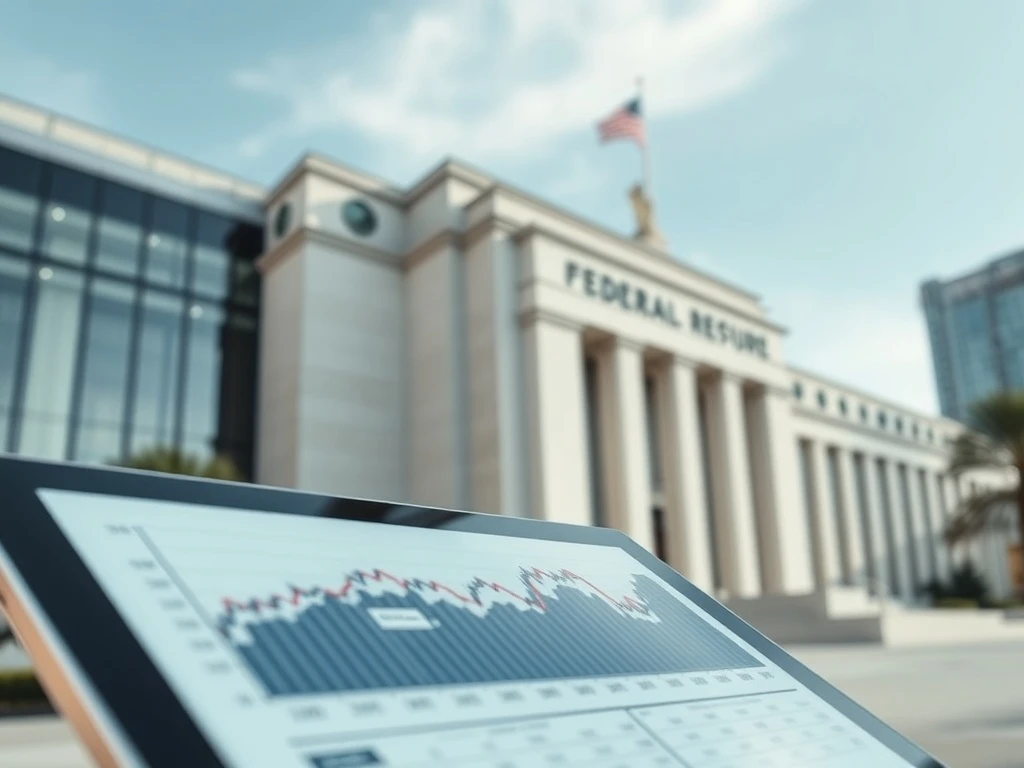
CHICAGO, March 2025 – Federal Reserve Bank of Chicago President Austan Goolsbee has projected a significant monetary policy shift, explicitly stating he anticipates an interest rate reduction within the year. This pivotal forecast arrives as policymakers meticulously analyze incoming economic data to confirm the timing and magnitude of the move, potentially heralding a new phase in the post-pandemic economic cycle.
Federal Reserve Rate Cut Expectations Gain Momentum
Austan Goolsbee’s recent remarks provide substantial weight to growing market expectations for monetary easing. As a voting member on the Federal Open Market Committee (FOMC) in 2025, his perspective carries considerable influence. Goolsbee emphasized a data-dependent approach, noting the need for continued review of inflation metrics and labor market figures before finalizing any decision. Consequently, his statement aligns with the Fed’s dual mandate to foster maximum employment and stable prices.
Historically, the Federal Reserve adjusts the federal funds rate to manage economic growth and inflation. After an aggressive tightening cycle that began in 2022 to combat surging inflation, officials have signaled a potential pivot. Recent Consumer Price Index (CPI) reports show inflation moderating toward the Fed’s 2% target, a critical precondition for rate cuts. Meanwhile, unemployment rates have remained relatively stable, suggesting the economy may withstand a less restrictive policy stance.
The Data-Driven Path to Lower Interest Rates
Goolsbee’s conditional outlook underscores the central bank’s commitment to evidence-based policy. Several key indicators will dictate the timeline for a Federal Reserve rate cut.
- Core PCE Inflation: The Fed’s preferred inflation gauge must show sustained progress toward 2%.
- Labor Market Conditions: Policymakers monitor wage growth and job openings for signs of cooling.
- Consumer Spending: Retail sales data indicates overall economic resilience.
- Global Economic Factors: International developments can influence U.S. monetary policy decisions.
Furthermore, the Fed’s balance sheet normalization process, known as quantitative tightening, continues in the background. This separate policy tool reduces liquidity in the financial system. Analysts widely expect rate cuts to precede any change to the balance sheet runoff pace. Market participants currently price in a high probability of at least one 25-basis-point cut by the Fed’s September 2025 meeting, according to CME Group’s FedWatch Tool.
Goolsbee’s Policy Philosophy and Economic Context
President Goolsbee, a former economic advisor to President Barack Obama, often highlights the real-world impact of monetary policy on Main Street. His academic background and focus on inequality bring a distinct voice to FOMC deliberations. The potential 2025 rate cut follows a prolonged period of elevated borrowing costs. These higher rates have significantly affected sectors like housing and automotive, where loan affordability remains a central concern for consumers.
The following table compares key economic indicators from the peak of the rate hike cycle to recent data, providing context for the policy discussion:
| Indicator | 2023 Peak | Current (2025) | Trend |
|---|---|---|---|
| Federal Funds Rate | 5.50% | 5.25% | Holding Steady |
| Core PCE Inflation (YoY) | 4.9% | 2.3% | Declining |
| Unemployment Rate | 3.7% | 4.0% | Moderate Increase |
| 30-Year Mortgage Rate | 7.8% | 6.5% | Declining |
This data illustrates the improved inflation backdrop that supports Goolsbee’s outlook. However, policymakers remain vigilant against premature easing that could reignite price pressures. Other Fed officials, including those from more hawkish regional banks, have cautioned about declaring victory over inflation too soon. The coming months will therefore involve careful scrutiny of each major economic release.
Potential Impacts of a 2025 Monetary Policy Shift
A Federal Reserve rate cut would transmit through the economy via several channels. First, it would lower borrowing costs for businesses and households, potentially stimulating investment and large purchases. Second, it could provide relief to the commercial real estate sector, which faces refinancing challenges. Third, financial conditions would generally ease, supporting asset valuations. However, the Fed must balance these stimulative effects against the risk of halting disinflation progress.
International central banks, including the European Central Bank and the Bank of England, are on similar policy trajectories. This global synchronicity helps mitigate potential currency volatility that could arise from divergent policies. For American consumers, the most immediate effect may appear in adjustable-rate loans and new credit card rates. Conversely, savers might see diminished returns on high-yield savings accounts and certificates of deposit over time.
Conclusion
Chicago Fed President Austan Goolsbee’s expectation for a Federal Reserve rate cut in 5 marks a critical juncture in U.S. monetary policy. His data-contingent forecast reflects a broader consensus building within the FOMC as inflation recedes. The precise timing and scale of easing will hinge on forthcoming economic reports, ensuring the Fed retains maximum flexibility. Ultimately, this anticipated pivot aims to guide the economy toward a sustainable expansion while safeguarding the hard-won progress on price stability.
FAQs
Q1: What did Chicago Fed President Austan Goolsbee say about interest rates?
Austan Goolsbee stated he expects an interest rate cut within the year but emphasized the need for more confirming economic data before the Federal Reserve acts.
Q2: Why is the Federal Reserve considering cutting rates in 2025?
The Fed is considering rate cuts because inflation has shown significant progress toward its 2% target, and the central bank aims to avoid overly restrictive policy that could unnecessarily slow economic growth.
Q3: What economic data will the Fed review before cutting rates?
Policymakers will closely monitor core PCE inflation, employment and wage growth figures, consumer spending data, and broader financial conditions to confirm the disinflation trend is sustainable.
Q4: How would a Federal Reserve rate cut affect average consumers?
A rate cut would likely lead to lower borrowing costs for mortgages, auto loans, and credit cards over time, but it could also reduce the interest earned on savings accounts and CDs.
Q5: Is a rate cut guaranteed in 2025 based on Goolsbee’s comments?
No, a rate cut is not guaranteed. Goolsbee’s comments express a conditional expectation based on current data trends. Any unexpected surge in inflation or economic overheating could delay or alter the Fed’s plans.