GSN Tokenization: Revolutionary $200M Blockchain Project Targets Southeast Asia’s Water Infrastructure
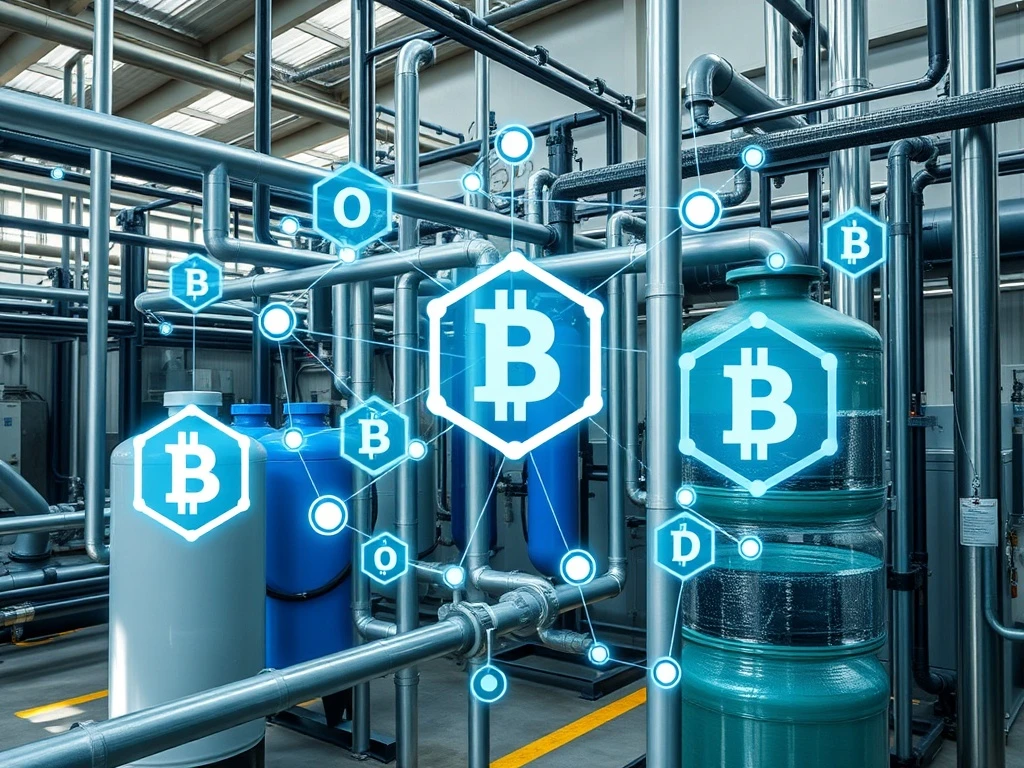
JAKARTA, Indonesia – Blockchain infrastructure firm Global Settlement Network (GSN) has launched a groundbreaking initiative to tokenize water purification facilities across Southeast Asia. The company announced this ambitious plan on Tuesday, targeting a total valuation of $200 million for its infrastructure tokenization project. This development represents a significant advancement in real-world asset tokenization within the utilities sector.
GSN Tokenization Strategy for Water Infrastructure
Global Settlement Network revealed its comprehensive strategy to digitize water purification assets throughout Southeast Asia. The company will begin with eight government-contracted facilities in Jakarta, Indonesia. These initial assets will serve as the foundation for a $35 million tokenization round. Subsequently, GSN plans to expand this model across the region.
The tokenization process involves converting ownership rights of physical water facilities into digital tokens on a blockchain. Each token represents a fractional share of the underlying infrastructure assets. This approach enables broader investment participation while maintaining regulatory compliance through government partnerships.
Technical Implementation Framework
GSN’s technical team has developed a specialized blockchain protocol for infrastructure assets. The system incorporates several key features:
- Regulatory Compliance Layers: Built-in mechanisms ensure adherence to Indonesian financial regulations
- Asset Verification Protocols: Regular audits verify physical asset conditions and performance metrics
- Revenue Distribution Systems: Automated smart contracts manage profit sharing among token holders
- Environmental Impact Tracking: Integrated systems monitor water quality and purification efficiency
Rupiah Stablecoin Payment Infrastructure Development
Concurrently with the asset tokenization, GSN will pilot a rupiah-based stablecoin payment system over the next twelve months. This dual approach creates a comprehensive blockchain ecosystem for water infrastructure. The stablecoin will facilitate transactions within the tokenized asset network while maintaining price stability pegged to the Indonesian rupiah.
The payment infrastructure development follows a phased implementation schedule:
| Phase | Timeline | Key Objectives |
|---|---|---|
| Initial Tokenization | Months 1-6 | Complete eight facility tokenizations, establish regulatory approvals |
| Stablecoin Testing | Months 4-9 | Pilot payment system with limited participants, refine protocols |
| Regional Expansion | Months 10-12 | Scale successful models to additional Southeast Asian markets |
Southeast Asian Infrastructure Context
Southeast Asia faces significant water infrastructure challenges that make this project particularly relevant. According to Asian Development Bank data, the region requires approximately $110 billion in water infrastructure investment annually. Traditional financing methods have proven insufficient to meet these growing demands. Consequently, blockchain-based solutions offer innovative funding mechanisms.
Indonesia’s water sector specifically presents both challenges and opportunities. The country has made substantial progress in expanding water access, yet significant gaps remain in purification and distribution systems. GSN’s initiative directly addresses these infrastructure needs while introducing modern financial technologies.
Blockchain Infrastructure Applications in Utilities
Tokenization of physical infrastructure represents an emerging trend in blockchain applications. Previously, most tokenization projects focused on real estate or financial instruments. However, utility infrastructure offers unique advantages for blockchain implementation. Water facilities generate predictable revenue streams through government contracts and user payments. These characteristics make them ideal candidates for tokenization.
Several factors contribute to the suitability of water infrastructure for blockchain solutions:
- Transparent Operations: Blockchain enables verifiable tracking of water quality and distribution
- Efficient Maintenance: Smart contracts can automate maintenance scheduling and funding
- Community Investment: Local communities can invest in infrastructure they directly use
- International Capital Access: Global investors can participate in local infrastructure development
Regulatory Environment and Compliance
GSN has engaged extensively with Indonesian regulatory authorities throughout the planning process. The company’s compliance strategy addresses multiple regulatory frameworks simultaneously. Financial regulators oversee the tokenization aspects, while environmental agencies monitor water quality standards. Additionally, infrastructure ministries ensure proper facility operations and maintenance protocols.
This multi-agency approach creates a robust regulatory foundation for the project. GSN has established dedicated compliance teams for each regulatory domain. These teams maintain continuous communication with relevant authorities. Furthermore, they implement regular reporting and audit procedures to ensure ongoing compliance.
Economic Impacts and Investment Implications
The $200 million tokenization project carries significant economic implications for Southeast Asia. Infrastructure development typically generates multiplier effects throughout local economies. Water purification facilities create construction jobs during development phases. Subsequently, they require operational staff for ongoing management. Additionally, improved water access enhances public health and productivity.
Investment professionals note several distinctive aspects of this infrastructure tokenization approach:
- Democratized Access: Smaller investors can participate in infrastructure projects
- Enhanced Liquidity: Tokenized assets trade more easily than physical infrastructure shares
- Transparent Governance: Blockchain provides clear visibility into asset management decisions
- Reduced Intermediaries: Direct investment structures potentially lower transaction costs
Technical Infrastructure Requirements
Implementing this scale of tokenization requires substantial technical infrastructure. GSN has developed a proprietary blockchain platform specifically designed for physical asset tokenization. The system incorporates enterprise-grade security protocols to protect against cyber threats. Additionally, it includes redundancy systems to ensure continuous operation despite technical disruptions.
The platform architecture follows several key design principles:
- Scalability: Systems can accommodate increasing transaction volumes as the project expands
- Interoperability: Platform components integrate with existing financial and regulatory systems
- Resilience: Distributed architecture prevents single points of failure
- Compliance: Built-in features automatically enforce regulatory requirements
Global Context of Infrastructure Tokenization
GSN’s Southeast Asian water facility project occurs within a growing global trend of infrastructure tokenization. Similar initiatives have emerged in various sectors worldwide. Energy infrastructure has seen particular interest from blockchain developers. Transportation and telecommunications projects also increasingly explore tokenization models.
Several factors drive this global movement toward infrastructure tokenization:
- Funding Gaps: Traditional financing cannot meet global infrastructure needs
- Technology Maturation: Blockchain technology has reached sufficient stability for large-scale implementation
- Regulatory Evolution: Governments increasingly establish frameworks for digital asset regulation
- Investor Demand: Institutional and retail investors seek diversified infrastructure exposure
Environmental and Social Considerations
Beyond financial and technical aspects, the project incorporates significant environmental and social dimensions. Water purification directly impacts public health outcomes in participating communities. Improved water quality reduces waterborne diseases and related healthcare costs. Additionally, reliable water access supports economic development and educational attainment.
GSN has implemented specific mechanisms to address these non-financial considerations:
- Community Engagement Programs: Local residents participate in project planning and oversight
- Environmental Monitoring: Independent verification of water quality improvements
- Transparency Initiatives: Public access to performance data and operational metrics
- Educational Components: Programs explaining blockchain technology and infrastructure investment
Conclusion
Global Settlement Network’s $200 million GSN tokenization initiative represents a significant advancement in blockchain applications for critical infrastructure. The project combines water facility tokenization with rupiah stablecoin development to create a comprehensive ecosystem. This approach addresses both infrastructure funding challenges and payment system modernization needs. Consequently, the initiative could establish a replicable model for infrastructure development throughout Southeast Asia and beyond. The successful implementation of this GSN tokenization project may transform how communities fund and manage essential water services.
FAQs
Q1: What exactly does “tokenization” mean in this context?
Tokenization converts ownership rights of physical water purification facilities into digital tokens on a blockchain. Each token represents a fractional share of the underlying infrastructure assets, enabling broader investment participation while maintaining regulatory compliance.
Q2: How will the rupiah stablecoin work within this ecosystem?
The rupiah stablecoin will function as a payment mechanism within the tokenized infrastructure network. It maintains price stability pegged to the Indonesian currency while facilitating transactions between participants, creating a comprehensive blockchain ecosystem for water infrastructure management.
Q3: What regulatory approvals has GSN obtained for this project?
GSN has engaged with multiple Indonesian regulatory authorities, including financial regulators, environmental agencies, and infrastructure ministries. The company maintains dedicated compliance teams for each regulatory domain and implements regular reporting and audit procedures to ensure ongoing adherence to all requirements.
Q4: How does this project benefit local communities in Southeast Asia?
The initiative improves water purification infrastructure, enhancing public health through better water quality. It creates local employment opportunities during construction and operation phases. Additionally, it enables community investment in essential infrastructure and provides transparent oversight of facility management.
Q5: What makes water facilities suitable for blockchain tokenization?
Water infrastructure generates predictable revenue streams through government contracts and user payments. These facilities require transparent operational tracking for quality assurance. Their essential nature ensures consistent demand, while their physical characteristics allow for clear valuation and performance monitoring.