Digital Asset Market Structure Bill Faces Critical Scrutiny as Senate Republicans Defend Bipartisan CLARITY Act
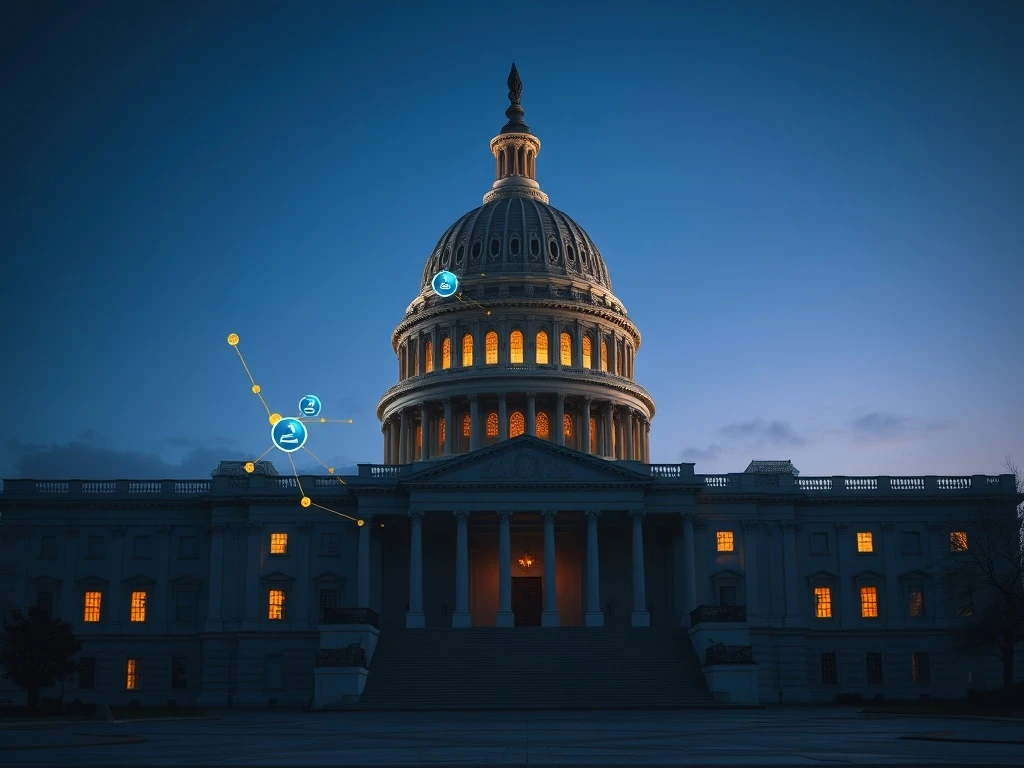
WASHINGTON, D.C. — January 2025 — A pivotal digital asset market structure bill faces intense scrutiny this week as Senate Republicans mount a vigorous defense against claims that the legislation primarily serves industry interests. The CLARITY Act, scheduled for markup in the Senate Banking Committee, represents what proponents call years of bipartisan work, yet significant divisions remain among lawmakers, regulators, and cryptocurrency industry leaders regarding its surveillance provisions and stablecoin regulations.
Digital Asset Market Structure Bill Enters Critical Phase
Republicans on the Senate Banking Committee released a detailed “myth versus fact” document this Tuesday addressing widespread concerns about the proposed legislation. Senator Tim Scott, leading the committee’s Republican members, emphasized that the bill resulted from extensive engagement with multiple stakeholders. Consequently, the document directly challenges what lawmakers describe as misconceptions about the bill’s origins and intentions.
Specifically, Republicans labeled as “myth” the assertion that “the legislation was written by industry and serves industry interests.” Instead, they positioned the CLARITY Act as fundamentally focused on investor protection. The committee statement declared, “The bill has been shaped by years of bipartisan work, extensive engagement with regulators and law enforcement, and a focus on public-interest outcomes.”
Legislative Timeline and Delays
The path to this week’s markup has been notably protracted. Initially expected last year, consideration faced multiple delays. These included ethical concerns from lawmakers about proper guardrails, substantive questions about regulating decentralized finance (DeFi) protocols, and the longest government shutdown in U.S. history. This extended timeline highlights the complex balancing act between fostering innovation and establishing robust regulatory frameworks.
Industry Pushback and Surveillance Concerns
Despite Republican assertions, significant industry opposition has emerged ahead of Thursday’s crucial committee session. Galaxy Digital, in a research note released Tuesday, expressed substantial reservations. The firm warned that specific provisions could dramatically expand government surveillance capabilities over cryptocurrency users. This concern centers on potential new authorities for financial regulators and law enforcement agencies to monitor blockchain transactions.
Other major industry participants have signaled they might withdraw support entirely. Coinbase, a leading cryptocurrency exchange, has indicated its continued backing depends on revisions to provisions concerning stablecoin rewards. Faryar Shirzad, Coinbase’s chief policy officer, voiced “enormous concern” during a Wednesday CNBC interview about specific sections. He highlighted text that might prevent the Securities and Exchange Commission (SEC) from permitting the “tokenization of equity markets,” potentially stifling financial innovation.
The Stablecoin Compromise
Lawmakers attempted to address some industry concerns through an amended draft released Monday. This version proposes a middle-ground approach to stablecoin rewards. Rather than implementing an outright ban, the revised language bars “passive returns” on stablecoin balances. This nuanced distinction aims to prevent certain interest-bearing models while not prohibiting all reward mechanisms. However, it remains uncertain whether this compromise will satisfy critics or secure sufficient votes in committee.
| Provision Area | Republican Position | Industry Concern |
|---|---|---|
| Regulatory Authority | Clear rules for SEC/CFTC jurisdiction | Potential overreach and stifled innovation |
| Stablecoin Rewards | Ban on passive returns only | May still limit legitimate business models |
| Surveillance Powers | Necessary for enforcement and security | Expanded government monitoring of users |
| Investor Protection | Core focus of the legislation | Implementation could create compliance burdens |
Parallel Legislative Process in Agriculture Committee
While the Banking Committee prepares for its markup, a parallel process is unfolding in the Senate Agriculture Committee. Republicans controlling that committee announced they will release their own draft legislation on January 21, with a markup hearing scheduled for January 27. This dual-committee approach reflects the complex jurisdictional landscape governing digital assets.
Both committees are expected to address distinct but overlapping aspects of the broader regulatory framework. Key areas of focus include:
- Jurisdictional clarity between the SEC and Commodity Futures Trading Commission (CFTC)
- Enforcement mechanisms for different types of digital assets
- Consumer protection standards across trading platforms
- Registration requirements for various market participants
The Agriculture Committee’s involvement is particularly significant for cryptocurrency derivatives and commodities-based digital assets. This bifurcated process could lead to a more comprehensive final bill, but it also introduces potential coordination challenges between the two committees.
Expert Perspectives on Regulatory Timeline
Industry experts caution that even if the CLARITY Act advances from committee, full implementation remains distant. A Paradigm executive recently noted that comprehensive crypto market structure rulemaking “could take years” following any legislative passage. This extended timeline accounts for required rulemaking procedures at regulatory agencies, potential legal challenges, and necessary industry adaptation periods.
National Security and Innovation Framework
Republican advocates consistently frame the legislation within national security and innovation parameters. Their public statements emphasize that the bill “strengthens national security, protects investors, and ensures that innovation occurs under clear, enforceable rules.” This framing attempts to position the legislation as addressing multiple policy objectives simultaneously rather than serving narrow interests.
The national security angle particularly references concerns about illicit finance using digital assets. By establishing clearer regulatory standards, proponents argue the legislation would enhance law enforcement capabilities while providing legitimate businesses with operational certainty. This certainty, they contend, is essential for maintaining U.S. competitiveness in the global digital asset ecosystem.
Conclusion
The digital asset market structure bill stands at a critical legislative juncture as the Senate Banking Committee prepares for its Thursday markup session. While Senate Republicans vigorously defend the CLARITY Act as a bipartisan, investor-focused initiative, substantial industry opposition persists regarding surveillance powers and stablecoin regulations. The amended draft attempting to address stablecoin rewards represents a significant compromise, yet its ultimate acceptance remains uncertain. With parallel proceedings in the Agriculture Committee and potential years of rulemaking ahead, this week’s developments will significantly shape the future regulatory landscape for digital assets in the United States, balancing innovation with necessary oversight.
FAQs
Q1: What is the CLARITY Act?
The CLARITY Act is proposed legislation in the U.S. Senate aimed at establishing a comprehensive regulatory framework for digital assets and cryptocurrency markets. It addresses market structure, investor protection, and regulatory jurisdiction between agencies like the SEC and CFTC.
Q2: Why are some cryptocurrency companies opposing the bill?
Companies like Galaxy Digital and Coinbase have expressed concerns about provisions they believe could expand government surveillance of cryptocurrency users and restrict certain business models, particularly regarding stablecoin rewards and the tokenization of traditional assets.
Q3: What changes were made in the amended draft released Monday?
The amended draft proposes banning “passive returns” on stablecoin balances rather than implementing a complete prohibition on rewards. This represents a compromise attempt to address industry concerns while maintaining regulatory oversight.
Q4: Which Senate committees are handling this legislation?
Both the Senate Banking Committee and the Senate Agriculture Committee are conducting parallel markups. The Banking Committee focuses on broader market structure, while the Agriculture Committee addresses aspects related to digital assets considered commodities or derivatives.
Q5: What happens after the committee markup?
If the bill advances from committee, it would proceed to consideration by the full Senate. Even if passed, implementation would require extensive rulemaking by financial regulatory agencies, a process that experts suggest could take several years to complete fully.